
What is car camping? Car camping means you drive right to your campsite, letting you bring more gear and enjoy the outdoors without long hikes. This guide provides a comprehensive car camping checklist and explores the best car camping supplies for a comfortable and fun trip.
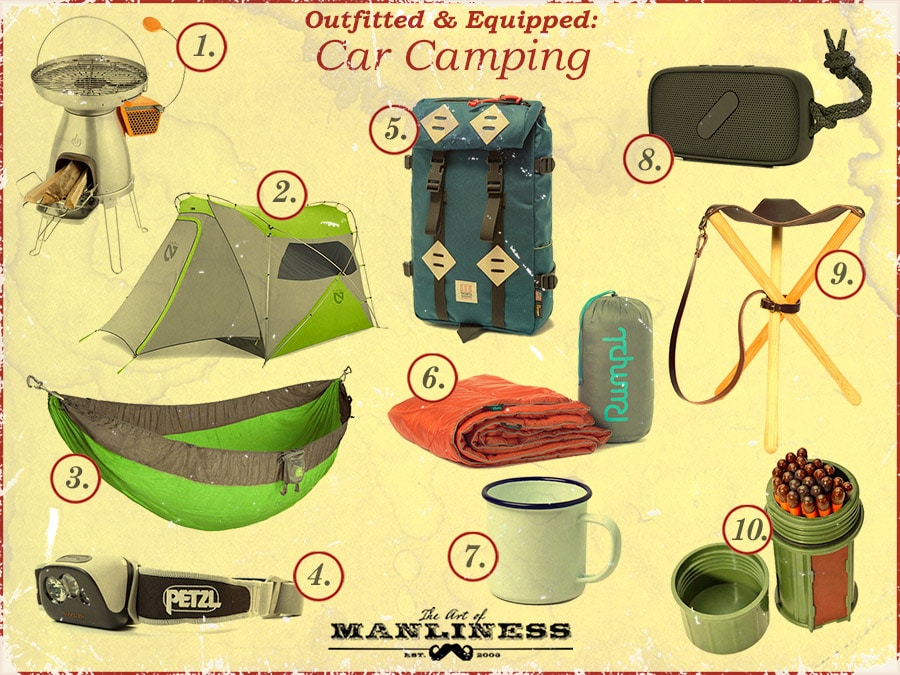
Image Source: content.artofmanliness.com
I. Essential Camping Gear
Having the right gear can make or break your car camping experience. Here’s a rundown of car camping necessities:
A. Shelter and Sleep
- Tent: Choose a tent based on the number of campers and expected weather. Look for easy setup and durable materials. Consider a tent with a rainfly for wet conditions.
- Sleeping Bag: Select a sleeping bag appropriate for the temperature rating of your camping location. Down or synthetic fill are common options.
- Sleeping Pad: For comfort and insulation, a sleeping pad is crucial. Options include foam pads, inflatable pads, and self-inflating pads.
- Pillows: Bring camping pillows or use regular pillows from home for a good night’s sleep.
- Camp Chairs: Comfortable camp chairs are essential for relaxing around the campsite.
- Camp Table: A folding table provides a surface for cooking, eating, and playing games.
B. Cooking and Food
- Camp Stove: Choose a propane or butane stove for cooking meals. Consider a two-burner stove for more complex cooking.
- Fuel: Make sure you have enough fuel for your camp stove for the entire trip.
- Cookware: Bring pots, pans, and utensils suitable for camp cooking. Non-stick cookware is easy to clean.
- Plates, Bowls, and Utensils: Pack reusable plates, bowls, and utensils for each camper.
- Cooler: A cooler keeps food and drinks cold. Use ice packs or ice to maintain the temperature.
- Water Jug: Bring a large water jug for drinking, cooking, and washing.
- Trash Bags: Pack trash bags for disposing of waste properly.
- Biodegradable Soap and Sponge: For washing dishes and cleaning up spills.
- Paper Towels or Camp Towels: For drying dishes and wiping surfaces.
C. Lighting
- Headlamps or Flashlights: Essential for navigating the campsite at night.
- Lantern: Provides ambient light for the campsite.
- Extra Batteries: Always bring extra batteries for your lighting devices.
D. Safety and First Aid
- First-Aid Kit: A comprehensive first-aid kit is essential for treating minor injuries and ailments.
- Insect Repellent: Protect yourself from mosquitoes, ticks, and other insects.
- Sunscreen: Protect your skin from the sun’s harmful rays.
- Bear Spray (if applicable): In bear country, carry bear spray and know how to use it.
- Whistle: Use a whistle to signal for help in an emergency.
- Navigation Tools: Bring a map and compass or GPS device for navigation, especially if hiking.
- Multi-tool or Knife: A versatile tool for various tasks around the campsite.
II. Detailed Car Camping Packing List
This car camping packing list offers a thorough breakdown to ensure you don’t forget anything important.
A. Sleeping Comfort
| Item | Description |
|---|---|
| Tent | Shelter from weather, size based on group size |
| Sleeping Bag | Temperature rating appropriate for the expected weather |
| Sleeping Pad | Provides insulation and comfort |
| Pillow | Camp pillow or regular pillow |
| Blanket (Optional) | Extra warmth on cold nights |
B. Cooking Supplies: Car Camping Food List
This is more than a car camping food list, it’s about how to make and carry those supplies.
| Item | Description |
|---|---|
| Camp Stove | Propane or butane stove for cooking |
| Fuel | For camp stove |
| Cookware Set | Pots, pans, and utensils |
| Plates, Bowls, Utensils | Reusable plates, bowls, and utensils for each camper |
| Cooler | To keep food and drinks cold |
| Food Storage Containers | For storing leftovers and keeping food fresh |
| Water Jug | For drinking, cooking, and washing |
| Biodegradable Soap | For washing dishes |
| Sponge/Scrub Brush | For cleaning cookware |
| Trash Bags | For disposing of waste |
| Camp Towels | For drying dishes and wiping surfaces |
| Cutting Board | For preparing food |
| Knife | For cutting and preparing food |
| Can Opener/Bottle Opener | Essential for opening cans and bottles |
| Aluminum Foil | For cooking and wrapping food |
| Spices & Condiments | Salt, pepper, oil, vinegar, etc. |
| Food Items | Non-perishable foods, snacks, and ingredients for meals. See below for menu ideas. |
Menu Ideas for Car Camping
Here are some easy and delicious meal ideas for car camping:
- Breakfast: Oatmeal, pancakes, breakfast burritos, yogurt with granola and fruit
- Lunch: Sandwiches, wraps, salads, leftovers
- Dinner: Foil packet meals, pasta dishes, grilled meats and vegetables, chili
- Snacks: Trail mix, granola bars, fruit, vegetables, crackers, cheese
C. Clothing and Personal Items
| Item | Description |
|---|---|
| Moisture-Wicking Shirts | For staying dry and comfortable |
| Fleece Jacket/Sweater | For warmth |
| Rain Jacket/Pants | For protection from rain |
| Hiking Pants/Shorts | For hiking and outdoor activities |
| Underwear | Enough for each day |
| Socks | Moisture-wicking socks for hiking and warm socks for sleeping |
| Hiking Boots | Sturdy and comfortable hiking boots |
| Camp Shoes/Sandals | For relaxing around the campsite |
| Hat | For sun protection |
| Sunglasses | For eye protection |
| Toiletries | Toothbrush, toothpaste, shampoo, soap, etc. |
| Medications | Any necessary medications |
| Sunscreen | For protecting skin from the sun |
| Insect Repellent | For protecting against mosquitoes and other insects |
| Hand Sanitizer | For cleaning hands |
| Toilet Paper | For bathroom needs |
| Personal Items | Any personal items you need for comfort and convenience |
D. Tools and Miscellaneous Items
| Item | Description |
|---|---|
| Headlamps/Flashlights | For navigating in the dark |
| Lantern | For providing ambient light at the campsite |
| Extra Batteries | For lighting devices |
| Multi-tool/Knife | For various tasks around the campsite |
| Duct Tape | For repairs |
| Rope/Cordage | For various uses, such as hanging clotheslines |
| Fire Starter | Matches, lighter, or fire starter cubes |
| Camp Shovel/Trowel | For digging catholes and burying waste |
| Navigation Tools | Map, compass, or GPS device |
| Binoculars | For wildlife viewing |
| Camera | For capturing memories |
| Books/Games | For entertainment |
| Camp Chairs | For relaxing around the campsite |
| Camp Table | For cooking, eating, and playing games |
| Extension Cord/Power Strip | For charging devices (if available at the campsite) |
III. Vehicle Camping Gear: Maximizing Space
The best car camping supplies are the ones that fit!
A. Packing Strategies
- Use Storage Bins: Organize gear into labeled storage bins for easy access.
- Pack Vertically: Utilize vertical space in your vehicle by stacking items.
- Maximize Space: Fill empty spaces with soft items like clothing and sleeping bags.
- Keep Essentials Accessible: Store frequently used items like headlamps and water bottles within easy reach.
B. Vehicle Organization
- Roof Rack: Use a roof rack to carry bulky items like tents and sleeping pads.
- Cargo Carrier: A cargo carrier provides additional storage space for gear.
- Seat Organizers: Use seat organizers to store smaller items and keep your vehicle tidy.
IV. Safety Considerations for Car Camping
Safety is a paramount aspect of car camping, and preparation is vital for mitigating risks.
A. Wildlife Awareness
- Store Food Properly: Keep food in airtight containers and store it in your vehicle or a bear-resistant canister.
- Never Feed Wildlife: Feeding wildlife can make them dependent on humans and lead to dangerous encounters.
- Make Noise While Hiking: Alert wildlife to your presence by making noise while hiking.
- Know What To Do In An Encounter: Learn how to react to encounters with bears, snakes, and other wildlife.
B. Campfire Safety
- Check Fire Restrictions: Be aware of any fire restrictions in the area.
- Clear Area Around Fire Pit: Clear a 10-foot radius around the fire pit of dry leaves and debris.
- Never Leave Fire Unattended: Always supervise the campfire and extinguish it completely before leaving or going to bed.
- Have Water Nearby: Keep a bucket of water and a shovel near the campfire.
C. Weather Preparedness
- Check Weather Forecast: Monitor the weather forecast before and during your trip.
- Pack Appropriate Clothing: Bring clothing suitable for a variety of weather conditions.
- Be Prepared For Rain: Pack rain gear and ensure your tent is waterproof.
- Be Aware Of Lightning Safety: Seek shelter indoors or in a vehicle during a thunderstorm.
V. Tips for a Comfortable Car Camping Experience
These tips can elevate your car camping adventure from adequate to exceptional.
A. Campsite Setup
- Choose a Level Campsite: Select a campsite that is flat and free of rocks and roots.
- Set Up Tent Properly: Follow the manufacturer’s instructions for setting up your tent.
- Organize Your Gear: Keep your gear organized and accessible.
- Create a Comfortable Seating Area: Arrange your camp chairs and table for a comfortable seating area.
B. Camp Cooking Tips
- Plan Your Meals: Plan your meals in advance and prepare as much as possible at home.
- Use Easy Recipes: Choose simple and easy recipes that require minimal ingredients and cooking time.
- Pre-chop Vegetables: Chop vegetables and store them in containers before your trip.
- Clean As You Go: Wash dishes after each meal to prevent a buildup of dirty dishes.
C. Staying Comfortable
- Bring Entertainment: Bring books, games, or other forms of entertainment.
- Stay Hydrated: Drink plenty of water throughout the day.
- Get Enough Sleep: Ensure you get enough sleep each night.
- Relax and Enjoy: Take time to relax and enjoy the outdoors.
VI. Grasping Car Camping Etiquette
Car camping etiquette ensures that everyone enjoys the experience and that the environment is respected.
A. Leave No Trace Principles
- Pack It In, Pack It Out: Pack out everything you pack in, including trash and food waste.
- Minimize Campfire Impacts: Use established fire pits or fire pans. Keep fires small and contained.
- Respect Wildlife: Observe wildlife from a distance and never feed them.
- Be Considerate of Other Campers: Keep noise levels down and respect quiet hours.
B. Campsite Courtesy
- Keep Campsite Clean: Keep your campsite clean and free of trash.
- Respect Quiet Hours: Observe quiet hours, typically from 10 PM to 6 AM.
- Don’t Trespass: Stay within your campsite and avoid trespassing on neighboring campsites.
- Be Friendly: Be friendly and courteous to other campers.
VII. Frequently Asked Questions (FAQ)
Q: What are the must-have car camping items?
A: The must-have car camping items include a tent, sleeping bag, sleeping pad, camp stove, cooler, lighting, and a first-aid kit.
Q: How do I pack efficiently for car camping?
A: Pack efficiently by using storage bins, packing vertically, maximizing space, and keeping essentials accessible.
Q: What should I do if I encounter wildlife while car camping?
A: If you encounter wildlife, maintain a safe distance, never feed them, and know how to react to different types of encounters.
Q: What is the best way to store food while car camping?
A: Store food in airtight containers and keep it in your vehicle or a bear-resistant canister.
Q: What are some easy meal ideas for car camping?
A: Easy meal ideas include foil packet meals, pasta dishes, grilled meats and vegetables, and chili.

Melody Smith is a passionate writer, outdoor enthusiast, and camping expert based in the Seattle Metropolitan Area. With a deep love for nature and adventure, she shares her personal experiences, tips, and insights on MyCampingPro.com. A seasoned camper and traveler, Melody combines her creative background in design and writing with her love for the great outdoors, offering practical advice and inspiring stories to help others make the most of their outdoor experiences. When she’s not exploring the wilderness, you can find her painting, collecting vintage treasures, or diving into a good book.