
Figuring out what to eat while camping can be tricky! This article offers camping food ideas, focusing on easy camping meals and camping recipes perfect for the outdoors. We’ll cover everything from campfire cooking to no cook camping food, providing inspiration for your next adventure.
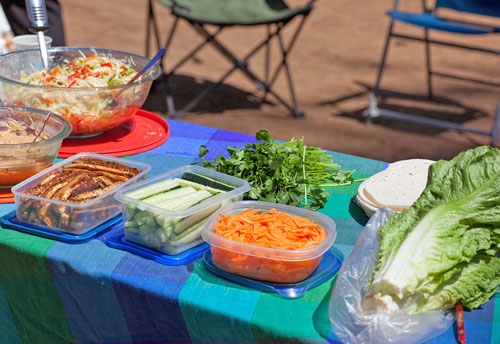
Image Source: dirtygourmet.com
Planning Your Camp Cuisine
Before you even think about packing your bags, a little planning goes a long way in ensuring delicious and stress-free meals in the great outdoors. A well-thought-out camp food list tailored to your trip’s duration and activities will set you up for success.
Camp Food List Essentials
- Proteins: Canned tuna, jerky, beans, nuts, dried meats
- Carbohydrates: Pasta, rice, bread, tortillas, oats
- Fruits & Vegetables: Apples, oranges, carrots, potatoes, onions (durable options) or dried fruit, dehydrated vegetables
- Dairy/Alternatives: Shelf-stable milk, cheese (hard cheeses last longer), powdered milk
- Fats: Olive oil, nuts, seeds, avocado (use quickly)
- Spices & Condiments: Salt, pepper, sugar, favorite seasonings, hot sauce
Crucial Gear Checklist
- Cooking Stove & Fuel: Reliable and appropriate for your group size.
- Cooking Pots & Pans: Nested sets save space.
- Utensils: Spatula, spoon, knife, fork, bowl and plate.
- Food Storage Containers: Airtight containers to prevent leaks and keep critters away.
- Cooler: For perishable items.
- Cutting Board: Small and lightweight.
- Trash Bags: Leave No Trace!
Simplifying with Camping Meal Prep
Camping meal prep can save you time and effort at the campsite. Spend a few hours at home preparing ingredients or even entire meals ahead of time.
Ideas for Pre-Trip Meal Prep
- Chop Vegetables: Onions, peppers, carrots, and other veggies can be chopped and stored in airtight containers or bags.
- Marinate Meats: Marinate chicken, steak, or tofu in your favorite sauce and store in a sealed bag.
- Cook Grains: Cook rice, quinoa, or pasta ahead of time and store in a container.
- Make Sauces & Dressings: Prepare sauces, dressings, and dips in advance.
- Assemble Burritos or Wraps: Wrap them in foil for easy heating or enjoying cold.
- Dehydrate Foods: Make your own lightweight backpacking meals.
Optimizing Your Cooler
A well-packed cooler keeps food fresh longer.
- Freeze Items: Freeze water bottles or juice boxes to use as ice packs. They’ll thaw and provide cold drinks later.
- Layer Strategically: Place heavier items and those that need to stay coldest on the bottom.
- Use Separate Bags: Store raw meats in sealed bags to prevent contamination.
- Minimize Opening: The less you open the cooler, the longer it will stay cold.
Camping Breakfast Ideas to Start Your Day
Start your camping day off right with a hearty and satisfying breakfast. Here are a few camping breakfast ideas to get you going.
Quick & Easy Breakfasts
- Oatmeal: Instant oatmeal packets or cooked oats with dried fruit and nuts.
- Granola & Yogurt: Granola with shelf-stable yogurt or powdered milk.
- Breakfast Bars: Convenient and portable.
- Fruit Salad: A mix of your favorite fruits.
- Bagels with Cream Cheese: Easy to pack and eat.
Cooked Breakfasts
- Pancakes: Use a pre-made mix or make your own from scratch.
- Scrambled Eggs: Cook eggs in a pan with chopped vegetables and cheese.
- Breakfast Burritos: Scrambled eggs, beans, cheese, and salsa in a tortilla.
- Campfire Hash: Potatoes, onions, peppers, and sausage cooked over the fire.
- French Toast: Soak bread in eggs and milk, then fry in a pan.
Campfire Pancake Recipe
| Ingredients | Amount |
|---|---|
| Pancake mix | 1 cup |
| Water (or milk/alternative) | As directed |
| Cooking oil or butter | 1 tablespoon |
Instructions:
- Mix pancake mix and water according to package directions.
- Heat a lightly oiled pan or griddle over medium heat on your camp stove or campfire.
- Pour batter onto the hot surface.
- Cook until bubbles form and the edges look dry.
- Flip and cook until golden brown.
- Serve with syrup, fruit, or other toppings.
Delightful Campfire Cooking Lunch & Dinner Recipes
Campfire cooking is a classic camping experience. Here are some delicious and easy lunch and dinner camping recipes.
Foil Packet Dinners
Foil packet meals are easy to prepare and cook directly in the campfire.
- Chicken & Veggie Foil Packets: Chicken, potatoes, carrots, onions, and your favorite seasonings.
- Sausage & Peppers Foil Packets: Sausage, bell peppers, and onions.
- Salmon & Asparagus Foil Packets: Salmon fillet with asparagus spears.
One-Pot Meals
One-pot meals minimize cleanup and are perfect for camping.
- Chili: Beans, ground beef or vegetarian crumbles, tomatoes, onions, and chili seasoning.
- Pasta Primavera: Pasta with mixed vegetables and pesto sauce.
- Rice & Beans: Rice, beans, and your favorite spices.
Campfire Skewers
Skewers are a fun and customizable way to cook over the fire.
- Chicken Skewers: Marinated chicken cubes with vegetables.
- Beef Skewers: Beef cubes with onions, peppers, and tomatoes.
- Vegetable Skewers: A variety of vegetables like zucchini, squash, and cherry tomatoes.
Campfire Dutch Oven Recipes
If you have a Dutch oven, the possibilities are endless!
- Campfire Stew: Beef, potatoes, carrots, and onions in a rich broth.
- Cobbler: Fruit filling with a biscuit topping.
- Pizza: Use pre-made dough or make your own.
Campfire Chili Recipe
| Ingredients | Amount |
|---|---|
| Ground beef (or meatless crumbles) | 1 pound |
| Onion, chopped | 1 medium |
| Bell pepper, chopped | 1 medium |
| Canned diced tomatoes | 28 ounces |
| Kidney beans, drained | 15 ounces |
| Chili seasoning | 2 tbsp |
| Water | 1 cup |
Instructions:
- Cook ground beef in a Dutch oven or large pot over the campfire until browned. Drain off any excess fat.
- Add chopped onion and bell pepper to the pot and cook until softened.
- Stir in diced tomatoes, kidney beans, chili seasoning, and water.
- Bring to a simmer and cook for at least 30 minutes, stirring occasionally.
- Serve with your favorite toppings, such as cheese, sour cream, or green onions.
No Cook Camping Food Options for Easy Meals
Sometimes you don’t want to cook at all! These no cook camping food options are perfect for those times.
Quick & Easy No-Cook Meals
- Sandwiches & Wraps: Peanut butter and jelly, tuna salad, or deli meat.
- Salads: Pre-made salads or assemble your own with canned beans, vegetables, and dressing.
- Charcuterie Board: Cheese, crackers, cured meats, and olives.
- Energy Bars & Trail Mix: For a quick energy boost.
- Canned Soups & Stews: Eat cold or heat up if you have a stove.
Gourmet No-Cook Ideas
- Smoked Salmon & Crackers: A delicious and easy appetizer or meal.
- Avocado Toast: Mash avocado on toast with salt, pepper, and red pepper flakes.
- Hummus & Veggie Wraps: Spread hummus on a tortilla with chopped vegetables.
- Caprese Salad: Tomatoes, mozzarella, and basil with balsamic glaze.
Making the Most of No-Cook Meals
- Focus on Variety: Pack a mix of flavors and textures to keep things interesting.
- Choose Nutrient-Dense Foods: Opt for foods that will provide energy and keep you feeling full.
- Pack Smart: Store foods in airtight containers to prevent spoilage.
Backpacking Food Ideas: Lightweight and Nutritious
For backpacking trips, weight is crucial. These backpacking food ideas focus on lightweight, nutritious options.
Dehydrated Meals
- Pre-Made Dehydrated Meals: Convenient and easy to prepare.
- DIY Dehydrated Meals: Dehydrate your own meals at home to save money and customize flavors.
Lightweight Staples
- Dried Fruits & Vegetables: Lightweight and packed with nutrients.
- Nuts & Seeds: A good source of protein and healthy fats.
- Jerky: High in protein and easy to carry.
- Instant Coffee & Tea: For a caffeine boost.
- Protein Powder: Add to water or smoothies for extra protein.
Creative Backpacking Recipes
- Couscous Salad: Couscous, dried fruit, nuts, and a vinaigrette dressing.
- Peanut Butter & Banana Wraps: A quick and easy snack or meal.
- Tuna Packets with Crackers: A simple and satisfying option.
- Instant Noodles with Dried Vegetables: Add flavor and nutrients to instant noodles.
Calculating Your Food Needs
| Activity Level | Calories per Day (Men) | Calories per Day (Women) |
|---|---|---|
| Light Activity | 2000-2200 | 1600-1800 |
| Moderate Activity | 2400-2600 | 1800-2000 |
| Heavy Activity | 2800-3000+ | 2200-2400+ |
Fathoming Food Safety While Camping
Food safety is essential when camping to prevent illness.
Keeping Food Cold
- Use Plenty of Ice: Pack your cooler with plenty of ice or ice packs.
- Monitor Temperature: Use a thermometer to ensure your cooler stays below 40°F (4°C).
- Separate Raw & Cooked Foods: Prevent cross-contamination by storing raw meats separately from cooked foods.
Cooking Food Thoroughly
- Use a Meat Thermometer: Ensure meat is cooked to a safe internal temperature.
- Avoid Cross-Contamination: Use separate cutting boards and utensils for raw and cooked foods.
- Wash Hands: Wash your hands frequently with soap and water or hand sanitizer.
Storage Tips
- Store Food Properly: Keep food in airtight containers to protect it from insects and animals.
- Hang Food: In bear country, hang your food in a bear-resistant bag or canister.
- Dispose of Waste Properly: Pack out all trash and food scraps.
Grasping Leave No Trace Principles for Food
Practicing Leave No Trace principles helps preserve the environment.
Packing Out All Trash
- Bring Trash Bags: Pack out all trash, including food wrappers, cans, and bottles.
- Minimize Packaging: Choose foods with minimal packaging to reduce waste.
Properly Disposing of Food Waste
- Pack Out Food Scraps: Pack out all food scraps, even biodegradable items like fruit peels.
- Avoid Feeding Animals: Do not feed wild animals, as it can disrupt their natural behavior.
Cleaning Up Thoroughly
- Wash Dishes Properly: Use biodegradable soap and water to wash dishes away from water sources.
- Scatter Dishwater: Scatter dishwater over a wide area to avoid concentrating it in one spot.
- Leave No Trace of Your Meal: Ensure that your campsite is clean and free of food debris.
Frequently Asked Questions (FAQ)
- What is the best way to store food while camping? Store food in airtight containers and a cooler with ice packs. In bear country, use bear-resistant canisters or hang food properly.
- Can I cook over an open campfire? Yes, but check local regulations first. Use a grill or Dutch oven for best results and practice Leave No Trace principles.
- Who is responsible for cleaning up after meals? Everyone! Share the responsibility to ensure a clean campsite.
- What is the best way to pack a cooler for camping? Layer ice at the bottom, followed by heavy items and items that need to stay coldest. Keep raw meat separate to prevent cross-contamination.
- Can I bring glass containers camping? It’s best to avoid glass as it’s heavy and can break. Opt for plastic or metal containers instead.
- What are some good camping snacks? Trail mix, energy bars, dried fruit, nuts, jerky, and cheese are all great options.
- How much water should I bring for cooking and drinking? A general rule is 1 gallon per person per day, but adjust based on your activity level and the weather.
Melody Smith is a passionate writer, outdoor enthusiast, and camping expert based in the Seattle Metropolitan Area. With a deep love for nature and adventure, she shares her personal experiences, tips, and insights on MyCampingPro.com. A seasoned camper and traveler, Melody combines her creative background in design and writing with her love for the great outdoors, offering practical advice and inspiring stories to help others make the most of their outdoor experiences. When she’s not exploring the wilderness, you can find her painting, collecting vintage treasures, or diving into a good book.