
What to eat for camping? Camping food should be delicious, nutritious, and easy to prepare, considering the limitations of cooking outdoors. This article explores various camping food ideas, from easy camping meals to gourmet campfire cooking, ensuring you eat well while enjoying nature. We’ll cover healthy camping food, lightweight camping food, no cook camping food, and strategies for preparing make ahead camping meals. Let’s plan some incredible meals for your next outdoor adventure!
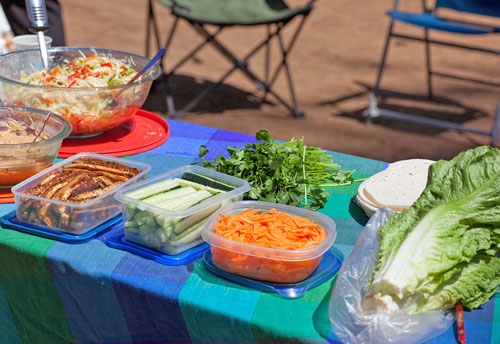
Image Source: dirtygourmet.com
Planning Your Camping Menu
A successful camping trip starts with careful meal planning. Thinking ahead ensures you have all the necessary ingredients and equipment, minimizing stress and maximizing enjoyment.
Factors to Consider
Before creating your menu, keep these factors in mind:
- Trip Length: Longer trips require more extensive planning and food storage solutions.
- Group Size: Adjust quantities based on the number of people you’re feeding.
- Cooking Method: Will you be using a campfire, camp stove, or relying on no cook camping food?
- Dietary Restrictions: Account for allergies, preferences, and dietary needs (vegetarian, vegan, gluten-free, etc.).
- Storage Capacity: How much cooler space and dry storage do you have?
- Weight Limits: If backpacking, prioritize lightweight camping food to reduce pack weight.
- Prep Time: Choose recipes that align with your available time and energy.
Creating a Meal Plan
A well-structured meal plan ensures balanced nutrition and prevents food waste.
- Outline Your Meals: Plan breakfast, lunch, dinner, and snacks for each day of your trip.
- Choose Recipes: Select camping recipes that are easy to prepare and suit your cooking method.
- Make a Shopping List: List all ingredients, including spices, condiments, and drinks.
- Pack Smart: Organize food items in airtight containers or resealable bags, labeling everything clearly.
Breakfast: Starting Your Day Right
A hearty breakfast provides energy for a day of outdoor activities. Here are some delicious and easy camping breakfast ideas:
Quick & Easy Options
- Oatmeal: Instant oatmeal packets are lightweight camping food and can be prepared with hot water. Add dried fruit, nuts, or seeds for extra flavor and nutrients.
- Granola & Yogurt: Combine granola with yogurt (shelf-stable options are available) for a quick and satisfying breakfast.
- Breakfast Bars: Energy bars or protein bars are convenient no cook camping food for busy mornings.
- Breakfast Burritos (Make Ahead): Scramble eggs with your favorite fillings (cheese, beans, vegetables, salsa) and wrap in tortillas. Freeze them ahead of time and reheat on the campfire or camp stove.
- Pancakes: Use a pancake mix and add water or milk. Cook on a camp stove griddle.
Campfire Breakfasts
- Breakfast Foil Packets: Combine diced potatoes, sausage, eggs, and vegetables in foil packets. Cook over the campfire until the potatoes are tender and the eggs are cooked through.
- Campfire French Toast: Dip slices of bread in an egg mixture (eggs, milk, cinnamon, vanilla extract) and cook on a greased skillet over the campfire.
- Bacon & Eggs: Cook bacon in a skillet over the campfire, then fry eggs in the bacon grease.
Example Breakfast Meal Plan
| Day | Meal | Ingredients | Prep Notes |
|---|---|---|---|
| Day 1 | Oatmeal | Instant oatmeal, dried fruit, nuts, seeds | Pack individual portions. |
| Day 2 | Breakfast Burritos | Tortillas, scrambled eggs, cheese, beans, vegetables, salsa | Make ahead camping meals. Freeze and reheat. |
| Day 3 | Campfire Pancakes | Pancake mix, water, syrup | Mix ingredients at the campsite. |
| Day 4 | Granola & Yogurt | Granola, shelf-stable yogurt, berries | No prep needed. |
Lunch: Fueling Your Adventures
Lunch should be quick, easy, and portable, providing energy for afternoon activities. Here are some camping food ideas for lunch:
No Cook Lunch Options
- Sandwiches & Wraps: Classic sandwiches or wraps with various fillings (turkey, ham, cheese, hummus, vegetables) are easy to prepare and pack.
- Salads: Prepare a salad with grains (quinoa, couscous), beans, vegetables, and a vinaigrette dressing.
- Trail Mix: A mix of nuts, seeds, dried fruit, and chocolate provides sustained energy.
- Jerky: Beef jerky or other dried meats are lightweight camping food and a good source of protein.
- Canned Tuna or Salmon: Combine with crackers or bread for a quick protein boost.
Simple Cooked Lunches
- Quesadillas: Heat tortillas on a camp stove and fill with cheese, beans, and vegetables.
- Soup: Canned or dehydrated soup is easy to heat up on a camp stove.
- Mac & Cheese: Prepare boxed mac & cheese on a camp stove. Add vegetables or protein for a more substantial meal.
Example Lunch Meal Plan
| Day | Meal | Ingredients | Prep Notes |
|---|---|---|---|
| Day 1 | Turkey & Cheese Wraps | Tortillas, turkey slices, cheese slices, lettuce, tomato | Pre-slice cheese and meats. |
| Day 2 | Quinoa Salad | Cooked quinoa, black beans, corn, bell peppers, red onion, cilantro, lime juice, olive oil | Cook quinoa ahead of time. Chop vegetables at the campsite. |
| Day 3 | Quesadillas | Tortillas, cheese, beans, salsa | Can add pre-cooked chicken or vegetables. |
| Day 4 | Trail Mix | Nuts, seeds, dried fruit, chocolate chips | Pre-mix at home. |
Dinner: Relaxing Around the Campfire
Dinner is a time to unwind and enjoy a satisfying meal after a day of exploring. Here are some camping dinner recipes that are sure to impress:
Campfire Cooking
- Foil Packet Meals: These are incredibly versatile and easy to clean up. Combine meat (chicken, sausage, fish) with vegetables (potatoes, carrots, onions, peppers) and seasonings in foil packets. Cook over the campfire until the meat is cooked through and the vegetables are tender.
- Grilled Meats: Grill steaks, chicken, or sausages over the campfire for a classic camping dinner.
- Campfire Stew: Combine meat (beef, chicken, or sausage) with vegetables (potatoes, carrots, onions, celery) and broth in a Dutch oven. Cook over the campfire until the meat is tender and the vegetables are cooked through.
- Corn on the Cob: Grill corn on the cob directly on the campfire grates or wrap it in foil with butter and seasonings.
Camp Stove Dinners
- Pasta Dishes: Cook pasta on a camp stove and combine with a pre-made sauce (pesto, marinara) and vegetables or protein.
- Chili: Canned or homemade chili can be easily heated up on a camp stove. Serve with cornbread or crackers.
- Rice & Beans: Cook rice and beans on a camp stove. Add spices, vegetables, or protein for a more flavorful meal.
One-Pot Wonders
- Paella: A simplified paella with rice, chicken, sausage, and vegetables cooked in a single pot over the campfire.
- Curry: A coconut milk-based curry with vegetables and chickpeas cooked on a camp stove.
Example Dinner Meal Plan
| Day | Meal | Ingredients | Prep Notes |
|---|---|---|---|
| Day 1 | Foil Packet Chicken | Chicken breasts, potatoes, carrots, onions, bell peppers, olive oil, herbs, spices | Chop vegetables at home. Marinate chicken ahead of time. |
| Day 2 | Campfire Stew | Beef chuck, potatoes, carrots, onions, celery, beef broth, tomato paste, herbs, spices | Brown beef ahead of time if possible. |
| Day 3 | Pasta with Pesto | Pasta, pesto sauce, cherry tomatoes, pine nuts, parmesan cheese | Cook pasta on camp stove. Add pre-made pesto. |
| Day 4 | One-Pot Curry | Coconut milk, chickpeas, spinach, diced tomatoes, onion, garlic, ginger, curry powder, rice | Chop vegetables at the campsite. |
Snacks: Keeping Energy Levels High
Snacks are essential for maintaining energy levels between meals. Choose healthy camping food options that are easy to pack and eat on the go.
Nutritious Snack Ideas
- Fruits & Vegetables: Apples, oranges, bananas, carrots, celery sticks, and bell peppers are easy to pack and provide vitamins and fiber.
- Nuts & Seeds: Almonds, walnuts, pumpkin seeds, and sunflower seeds are a good source of protein and healthy fats.
- Trail Mix: A combination of nuts, seeds, dried fruit, and chocolate is a classic camping snack.
- Energy Bars: Choose bars with a good balance of carbohydrates, protein, and healthy fats.
- Cheese Sticks: A convenient and portable source of protein and calcium.
- Popcorn: Air-popped popcorn is a lightweight camping food and a good source of fiber.
Tips for Packing Snacks
- Portion Control: Pack snacks in individual bags or containers to prevent overeating.
- Easy Access: Keep snacks readily available in your backpack or daypack.
- Variety: Pack a variety of snacks to prevent boredom.
- Consider Temperature: Avoid snacks that melt easily in hot weather.
Tips for Campfire Cooking
Campfire cooking can be a rewarding experience, but it requires some skill and preparation.
Building a Safe and Efficient Fire
- Choose a Safe Location: Clear a 10-foot diameter area around the fire pit, removing any flammable materials.
- Gather Wood: Collect dry firewood in various sizes (tinder, kindling, and larger logs).
- Build a Teepee Fire: Arrange kindling around a central tinder pile in a teepee shape.
- Light the Tinder: Use a match or lighter to ignite the tinder.
- Add Kindling Gradually: As the tinder catches fire, add kindling gradually to build the flames.
- Add Larger Logs: Once the kindling is burning well, add larger logs to sustain the fire.
Controlling Heat
- Adjust the Fire: Add or remove wood to control the heat of the fire.
- Use Coals: For more even heat, cook over hot coals rather than direct flames.
- Raise or Lower the Grill: Adjust the height of the grill to control the cooking temperature.
Essential Campfire Cooking Equipment
- Grill Grate: For grilling meats and vegetables.
- Dutch Oven: For cooking stews, soups, and baked goods.
- Cast Iron Skillet: For frying eggs, pancakes, and other foods.
- Tongs & Spatula: For handling food over the fire.
- Oven Mitts: For protecting your hands from the heat.
- Aluminum Foil: For wrapping food for cooking in the embers
Preparing Food Ahead of Time: Streamlining Your Trip
Make ahead camping meals can save you time and effort at the campsite. Here are some strategies for preparing food in advance:
Pre-Chopping Vegetables
Chop vegetables at home and store them in airtight containers or resealable bags. This saves time and reduces mess at the campsite.
Marinating Meats
Marinate meats ahead of time to enhance flavor and tenderness. Store marinated meats in resealable bags or containers in a cooler.
Cooking Grains & Legumes
Cook grains (rice, quinoa, couscous) and legumes (beans, lentils) ahead of time and store them in airtight containers. These can be easily added to salads, soups, or stews.
Freezing Meals
Freeze entire meals in freezer-safe containers or bags. These can be thawed and reheated at the campsite.
Lightweight Camping Food for Backpacking
If you’re backpacking, every ounce counts. Here are some lightweight camping food options:
Dehydrated Meals
Dehydrated meals are commercially available and are incredibly lightweight camping food. They are easy to prepare by adding hot water.
Freeze-Dried Foods
Freeze-dried foods are similar to dehydrated foods but retain more nutrients and flavor.
DIY Dehydrated Foods
You can dehydrate your own fruits, vegetables, and meats using a food dehydrator.
Lightweight Staples
- Oatmeal: A lightweight and nutritious breakfast option.
- Nuts & Seeds: A good source of protein and healthy fats.
- Dried Fruit: A lightweight and energy-dense snack.
- Jerky: A lightweight and protein-rich snack.
- Powdered Milk: A lightweight source of calcium and protein.
- Instant Coffee or Tea: For a caffeine boost.
Ensuring Food Safety While Camping
Maintaining food safety is crucial when camping to prevent foodborne illnesses.
Safe Storage Practices
- Cooler Temperature: Keep your cooler at or below 40°F (4°C). Use ice packs or frozen water bottles to maintain the temperature.
- Separate Raw and Cooked Foods: Store raw meats separately from cooked foods to prevent cross-contamination.
- Airtight Containers: Use airtight containers or resealable bags to protect food from contamination and pests.
- Proper Disposal: Dispose of food waste properly to prevent attracting animals.
Safe Cooking Practices
- Cook Food Thoroughly: Cook meat, poultry, and fish to the proper internal temperature to kill harmful bacteria.
- Use a Food Thermometer: Use a food thermometer to ensure that food is cooked to the correct temperature.
- Wash Hands Regularly: Wash your hands with soap and water before preparing or eating food.
Water Safety
- Purify Water: Purify water from natural sources by boiling it for at least one minute or using a water filter or purification tablets.
- Store Water Properly: Store purified water in clean containers.
No Cook Camping Food Ideas for Easy Meals
Sometimes you just don’t want to cook! These no cook camping food options are perfect for those times.
- Peanut Butter and Jelly Sandwiches: A classic for a reason!
- Crackers and Cheese: Choose hard cheeses that hold up well in a cooler.
- Hummus and Pita Bread: Pack pre-made hummus and pita bread.
- Cold Cuts and Bread: Make sandwiches or wraps.
- Salads in a Jar: Layer salads in mason jars for easy transport and eating.
- Protein Shakes: Use protein powder and water or milk.
Healthy Camping Food: Staying Nourished Outdoors
Eating healthy while camping is definitely achievable! Focus on whole, unprocessed foods.
- Fresh Fruits and Vegetables: These provide essential vitamins and minerals.
- Lean Proteins: Canned tuna, chicken, or beans.
- Whole Grains: Whole wheat bread, brown rice, or quinoa.
- Healthy Fats: Nuts, seeds, and avocado.
- Limit Processed Foods: Reduce your intake of sugary snacks and processed meats.
Fathoming Common Camping Food Mistakes
- Not Planning Ahead: Failing to plan your meals and snacks can lead to unhealthy choices and food shortages.
- Underestimating Quantities: Running out of food is a common mistake. Plan for generous portions, especially if you’re active.
- Improper Storage: Inadequate food storage can lead to spoilage and foodborne illnesses.
- Overpacking: Bringing too much food can weigh you down and lead to waste.
- Ignoring Dietary Needs: Not accounting for dietary restrictions can make meal planning difficult and potentially dangerous.
Frequently Asked Questions (FAQ)
Q: What are some good camping snacks for kids?
A: Good camping snacks for kids include fruits, vegetables, trail mix, granola bars, cheese sticks, and yogurt tubes. Choose options that are easy to eat and provide sustained energy.
Q: Can I bring eggs camping?
A: Yes, you can bring eggs camping. Store them in a hard-sided container to prevent breakage. You can also pre-scramble the eggs and store them in a resealable bag or container in a cooler.
Q: How do I keep food cold while camping?
A: Use a high-quality cooler and pack it with ice packs or frozen water bottles. Keep the cooler in a shaded area and avoid opening it frequently. Consider using two coolers: one for drinks and one for food.
Q: What are some vegetarian camping meals?
A: Vegetarian camping meals include pasta primavera, vegetable skewers, veggie burgers, black bean burritos, and lentil soup.
Q: How do I dispose of food waste properly while camping?
A: Pack out all food waste whenever possible. If you must dispose of food waste at the campsite, bury it at least 6 inches deep and 200 feet away from water sources and trails.
Q: Is it safe to cook over an open campfire?
A: Yes, it is safe to cook over an open campfire, but take precautions. Make sure the fire is properly built and contained. Use heat-resistant gloves and tools. Keep a safe distance from the fire.
With careful planning and these delicious camping food ideas, you can enjoy nutritious and satisfying meals while experiencing the great outdoors. Happy camping!
Melody Smith is a passionate writer, outdoor enthusiast, and camping expert based in the Seattle Metropolitan Area. With a deep love for nature and adventure, she shares her personal experiences, tips, and insights on MyCampingPro.com. A seasoned camper and traveler, Melody combines her creative background in design and writing with her love for the great outdoors, offering practical advice and inspiring stories to help others make the most of their outdoor experiences. When she’s not exploring the wilderness, you can find her painting, collecting vintage treasures, or diving into a good book.