
Want to know how to stay warm when camping in a tent? It involves a combination of proper gear selection, effective tent setup, smart layering techniques, and utilizing safe heating methods. This guide will walk you through everything you need to know to stay cozy, even when the temperatures drop.
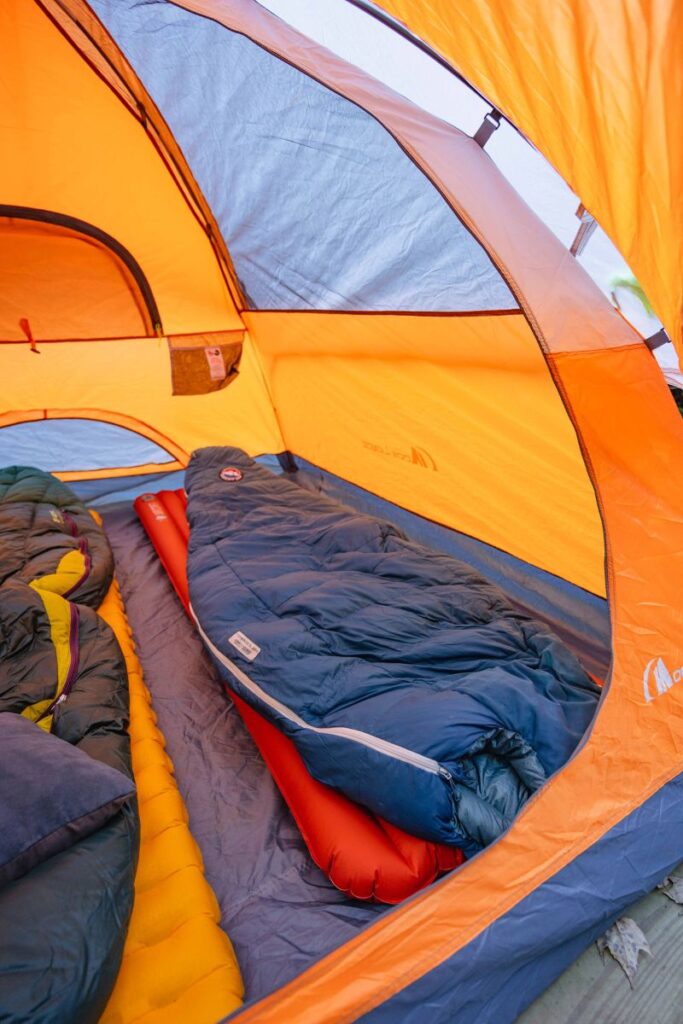
Image Source: www.madelyneonthemove.com
Preparing for Cold Weather Camping
Camping in colder weather requires more planning than a summer trip. It’s about more than just having a tent; it’s about creating a warm and safe environment. Let’s explore the essential steps for getting ready.
Fathoming the Weather
Before you even think about packing, check the weather forecast. Look for the expected temperature range, wind conditions, and any chance of precipitation. This will help you choose the right gear and prepare for potential challenges. Knowledge is power, especially when battling the cold.
Compiling a Winter Camping Gear List
A winter camping gear list goes beyond the basics. Here’s what you should include:
- Tent: A four-season tent is designed to withstand harsh weather conditions.
- Sleeping Bag: Choose the best sleeping bag for camping that’s rated for temperatures lower than what you expect.
- Sleeping Pad: An insulated sleeping pad prevents heat loss to the ground.
- Layers: Dress in layers to regulate your body temperature.
- Warm Hat and Gloves: Essential for preventing heat loss from your extremities.
- Insulated Boots: Keep your feet warm and dry.
- Camping Stove: For cooking and potentially heating water (use with extreme caution for heating).
- First-Aid Kit: Always a must-have, especially in cold weather.
- Navigation Tools: Map, compass, and GPS are crucial, particularly in snowy conditions.
- Headlamp/Flashlight: With extra batteries.
- Emergency Shelter: A lightweight bivy sack can be a lifesaver.
- Insulated Water Bottles: To keep water from freezing.
Selecting the Right Tent
Your tent is your primary shelter. Choose a four-season tent for the best protection against wind, snow, and cold. These tents have stronger poles, more fabric, and fewer mesh panels than three-season tents.
- Four-Season Tent Features:
- Sturdy pole structure.
- Full coverage rainfly.
- Minimal mesh for heat retention.
- Snow flaps (optional, but helpful).
Mastering Tent Setup for Warmth
How you set up your tent can significantly impact how warm you stay. Proper site selection and setup techniques are essential.
Choosing the Ideal Campsite
- Sheltered Location: Look for a spot protected from the wind by trees or natural formations.
- Avoid Low-Lying Areas: Cold air sinks, so higher ground tends to be warmer. Also, low areas can collect water if it rains or snows.
- Clear the Area: Remove any snow, ice, or debris from the tent site for a flat, even surface.
Employing Tent Insulation Techniques
- Groundsheet or Tarp: Place a groundsheet or tarp under your tent to protect it from moisture and add a layer of insulation.
- Extra Layers: Place blankets or sleeping bags between the tent floor and your sleeping pad to boost tent insulation techniques.
- Rainfly: Always use the rainfly. It provides an extra layer of protection against wind and precipitation.
- Snow Skirt (if applicable): If your tent has a snow skirt, bury it in the snow to block drafts.
How to Insulate Tent Floor
Insulating the tent floor is crucial because the ground can draw heat away from your body. Here’s how:
- Groundsheet: As mentioned, a groundsheet is the first line of defense.
- Closed-Cell Foam Pad: Place a closed-cell foam pad over the groundsheet for insulation.
- Reflective Material: A reflective material like a space blanket can bounce heat back up.
- Sleeping Pad: Your sleeping pad is the final layer of insulation between you and the ground.
Maximizing Your Sleeping System
Your sleeping system is your primary defense against the cold while you sleep. Choose wisely and use it effectively.
Choosing the Best Sleeping Bag for Camping
- Temperature Rating: Select a bag rated for temperatures lower than what you expect. Err on the side of caution.
- Fill Type:
- Down: Lighter, warmer, and more compressible, but loses insulation when wet.
- Synthetic: Less expensive, retains warmth when wet, but bulkier and heavier.
- Bag Shape:
- Mummy: Snug fit for maximum warmth.
- Rectangular: More room to move, but less efficient at retaining heat.
- Semi-Rectangular: A compromise between the two.
Here’s a simple guide to choosing the right sleeping bag fill:
| Feature | Down Sleeping Bag | Synthetic Sleeping Bag |
|---|---|---|
| Warmth-to-Weight Ratio | Excellent | Good |
| Compression | Excellent | Fair |
| Performance When Wet | Poor | Good |
| Cost | Higher | Lower |
| Maintenance | More demanding | Easier |
Utilizing Sleeping Pads Effectively
- R-Value: Look for a sleeping pad with a high R-value. This measures the pad’s ability to resist heat flow. The higher the R-value, the better the insulation.
- Types of Sleeping Pads:
- Closed-Cell Foam: Lightweight, durable, and inexpensive, but less comfortable.
- Air Pads: More comfortable, but can be punctured.
- Self-Inflating: A combination of foam and air, offering a good balance of comfort and insulation.
Enhancing Sleeping Bag Performance
- Sleeping Bag Liner: Adds extra warmth and keeps your sleeping bag clean.
- Hot Water Bottle: Fill a durable water bottle with hot water and place it in your sleeping bag (ensure the lid is secure!).
- Clothing Layers: Wear warm, dry clothing to bed.
Layering for Cold Camping
Dressing in layers is crucial for regulating your body temperature in cold weather. This allows you to add or remove layers as needed to stay comfortable.
The Layering System Explained
- Base Layer: Worn next to your skin, its primary job is to wick away moisture.
- Materials: Merino wool or synthetic fabrics.
- Avoid Cotton: Cotton retains moisture and can make you feel cold.
- Insulating Layer: Provides warmth by trapping air.
- Materials: Fleece, down, or synthetic insulation.
- Multiple Thin Layers: Offer more flexibility than one thick layer.
- Outer Layer: Protects you from wind and precipitation.
- Features: Waterproof and windproof, but breathable.
- Types: Hardshell or softshell.
Choosing the Right Materials
- Merino Wool: Excellent at wicking moisture, odor-resistant, and warm even when wet.
- Synthetic Fabrics: Lightweight, quick-drying, and less expensive than merino wool.
- Down: High warmth-to-weight ratio, but loses insulation when wet.
- Fleece: Warm, breathable, and quick-drying.
Protecting Your Extremities
- Hats: Prevent heat loss from your head.
- Gloves or Mittens: Mittens are generally warmer than gloves.
- Socks: Wear warm, moisture-wicking socks.
Utilizing Body Heat in Tent
Your body heat is a valuable resource. Here’s how to maximize it:
Staying Active
Light exercise can help generate body heat. Avoid sweating excessively, as damp clothing can make you cold. Jumping jacks, push-ups, or even walking around can help.
Eating and Drinking Warm Foods
Your body uses energy to digest food, which generates heat. Consume high-energy foods and warm drinks to fuel your internal furnace.
- High-Energy Foods: Nuts, dried fruits, chocolate.
- Warm Drinks: Hot chocolate, tea, soup.
Sharing Body Heat
If you’re camping with others, sleeping close together can help conserve heat.
Camping Heater Safety
While tempting, using a camping heater in a tent requires extreme caution. Carbon monoxide poisoning and fire are serious risks.
Understanding the Risks
- Carbon Monoxide Poisoning: Carbon monoxide is a colorless, odorless gas that can be deadly.
- Fire Hazard: Tents are highly flammable.
Safe Heating Options
- Battery-Powered Heaters: Safer than propane or gas heaters, but may not provide enough heat for extremely cold conditions.
- Hot Water Bottles: A safer alternative to heaters.
Avoiding Dangerous Practices
- Never Use a Propane or Gas Heater in a Tent Without Proper Ventilation.
- Never Leave a Heater Unattended.
- Use a Carbon Monoxide Detector.
Camping Stove for Heat
Using a camping stove for heat inside a tent is extremely dangerous and is not recommended under any circumstances. The risk of carbon monoxide poisoning and fire is simply too high. Stoves are designed for cooking, not heating enclosed spaces.
Preventing Condensation in Tent
Condensation can make your tent damp and cold. Here’s how to minimize it:
Grasping the Causes of Condensation
Condensation forms when warm, moist air inside the tent comes into contact with the cold tent walls. This is exacerbated by breathing, sweating, and cooking inside the tent.
Ventilation Strategies
- Open Vents: Even in cold weather, opening the tent vents can help circulate air and reduce condensation.
- Partially Open the Door: If the weather allows, crack open the door slightly to improve ventilation.
Managing Moisture
- Dry Your Gear: Avoid bringing wet gear inside the tent.
- Wipe Down Tent Walls: Use a towel to wipe down condensation from the tent walls.
Dealing with Emergencies
Even with careful planning, emergencies can happen. Be prepared to handle unexpected situations.
Recognizing Hypothermia
Hypothermia occurs when your body loses heat faster than it can produce it. Symptoms include shivering, confusion, slurred speech, and loss of coordination.
Treating Hypothermia
- Get the Person Out of the Cold: Move them to a warm, sheltered location.
- Remove Wet Clothing: Replace wet clothing with dry layers.
- Provide Warm Drinks and Food: If the person is conscious, give them warm, non-alcoholic beverages and high-energy foods.
- Use Body Heat: Share body heat by huddling together.
- Seek Medical Attention: As soon as possible.
Staying Safe in Extreme Conditions
- Monitor Weather Conditions: Stay informed about changing weather patterns.
- Carry Emergency Communication Devices: A satellite phone or personal locator beacon (PLB) can be a lifesaver.
- Know Your Limits: Don’t push yourself beyond your capabilities.
Frequently Asked Questions (FAQ)
- Can I use a regular tent for winter camping?
- While possible in mild winter conditions, it’s not recommended. Four-season tents are designed to withstand harsher weather and provide better insulation.
- What is the ideal temperature rating for a winter sleeping bag?
- Choose a bag rated for at least 10-20 degrees Fahrenheit lower than the expected low temperature.
- Is it safe to use a propane heater inside a tent?
- No, it’s extremely dangerous due to the risk of carbon monoxide poisoning and fire.
- How can I prevent my water from freezing overnight?
- Store water bottles upside down (so the ice forms at the bottom) in an insulated container inside your sleeping bag or tent.
- What should I do if my sleeping bag gets wet?
- If it’s a down bag, try to dry it as quickly as possible, either by hanging it in a sheltered location or using a dryer on low heat. Synthetic bags retain warmth when wet, but should still be dried when possible.
By following these tips and guidelines, you can enjoy a safe and comfortable camping experience, even in cold weather. Remember, preparation is key to staying warm and safe in the great outdoors.

Melody Smith is a passionate writer, outdoor enthusiast, and camping expert based in the Seattle Metropolitan Area. With a deep love for nature and adventure, she shares her personal experiences, tips, and insights on MyCampingPro.com. A seasoned camper and traveler, Melody combines her creative background in design and writing with her love for the great outdoors, offering practical advice and inspiring stories to help others make the most of their outdoor experiences. When she’s not exploring the wilderness, you can find her painting, collecting vintage treasures, or diving into a good book.