
Staying warm while tent camping is essential for a comfortable and enjoyable experience. You can stay warm in a tent by utilizing a combination of proper gear, smart campsite selection, and effective techniques. This guide will cover everything you need to know about camping in cold weather, from tent insulation strategies to tent heater alternatives.
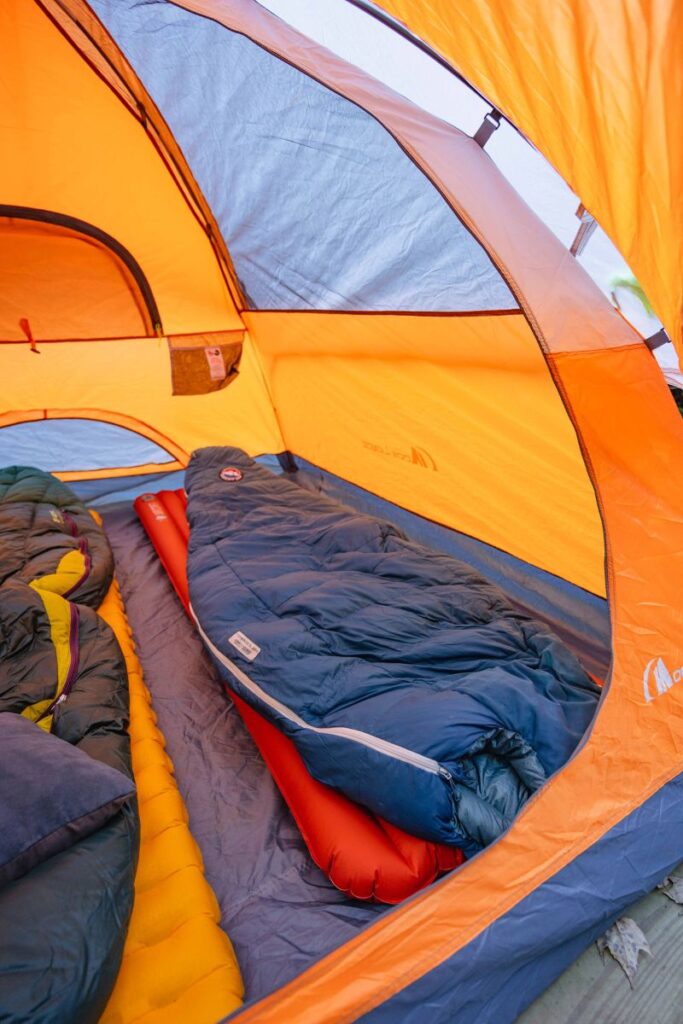
Image Source: www.madelyneonthemove.com
Conquering the Cold: A Comprehensive Guide to Warm Tent Camping
Camping can be a great way to enjoy nature. But when the temperature drops, staying warm inside your tent becomes very important. This guide will help you understand how to stay cozy and comfortable while camping, even when it’s cold outside. We’ll cover everything from the right gear to helpful tips and tricks to maximize body heat in tent.
Preparing Your Campsite for Cold Weather
The right campsite can make a big difference in how warm you stay. Choose wisely to block wind and capture sunlight.
Selecting the Perfect Location
- Find a sheltered spot: Look for campsites protected by trees, rocks, or hills. These natural barriers help block the wind, which can quickly cool down your tent.
- Consider sun exposure: A campsite that gets morning sun will help warm up your tent faster. However, in warmer climates, afternoon shade might be preferable to avoid overheating during the day.
- Avoid low-lying areas: Cold air tends to settle in valleys and depressions. Choose a higher spot to stay warmer.
- Check the ground: Pick a flat, dry spot. Damp ground will make your tent colder.
Setting Up Your Tent for Warmth
- Orient your tent properly: Position the tent so the smallest side faces the wind. This reduces the surface area exposed to the cold.
- Use a footprint: A footprint is a piece of material that goes under your tent. It protects the bottom of your tent from moisture and adds a layer of insulation.
- Guy out your tent: Properly staking and guying out your tent helps create a tight seal, preventing drafts and maximizing tent insulation strategies.
The Core of Warmth: Your Sleeping System
Your sleeping bag and sleeping pad are the most important parts of your sleep system for camping in cold weather. Choose wisely!
Selecting the Right Sleeping Bag
- Temperature rating: Choose a sleeping bag rated for temperatures lower than you expect to encounter. Err on the side of caution.
- Fill type:
- Down: Down is lightweight, compressible, and offers excellent warmth. However, it loses its insulation value when wet.
- Synthetic: Synthetic fills are less expensive than down and retain warmth even when wet. They are heavier and bulkier than down.
- Sleeping bag shape:
- Mummy: Mummy bags are designed to trap heat and are ideal for cold weather camping gear.
- Rectangular: Rectangular bags offer more room but are less efficient at retaining heat.
- Consider a sleeping bag liner: A sleeping bag liner can add extra warmth and keep your sleeping bag clean.
Choosing the Right Sleeping Pad
- R-value: The R-value measures a sleeping pad’s ability to resist heat flow. The higher the R-value, the better the insulation.
- Summer camping: R-value of 1-3
- Shoulder season (spring/fall): R-value of 3-5
- Cold weather camping: R-value of 5 or higher
- Pad type:
- Foam: Foam pads are durable and affordable, but they can be bulky.
- Inflatable: Inflatable pads are comfortable and pack down small, but they can be punctured.
- Self-inflating: Self-inflating pads combine foam and air for a balance of comfort and insulation.
- How to insulate a tent floor: You can use additional layers like blankets or foam mats beneath your sleeping pad to further insulate the tent floor.
Boosting Sleeping Bag Warmth
| Technique | Description | Benefits |
|---|---|---|
| Sleeping Bag Liner | Adds a layer of insulation inside the sleeping bag, usually made of silk, fleece, or synthetic. | Increases warmth, keeps the sleeping bag clean, and adds comfort. |
| Hot Water Bottle | Fill a durable water bottle with hot water and place it inside your sleeping bag. | Provides direct warmth to your core, improving overall comfort. |
| Layered Clothing | Wear layers of clothing inside the sleeping bag, especially thermal base layers. | Traps body heat, adds extra insulation, and keeps moisture away. |
| Hooded Sleeping Bag | A sleeping bag with a hood helps trap heat around your head and neck. | Prevents heat loss from your head, which is a significant source of heat loss. |
| Bivy Sack | An extra layer surrounding your sleeping bag for enhanced protection and warmth. | Offers weather protection, increases insulation, and reduces condensation. |
Dressing for Success: Layering for Cold Camping
Layering is key to staying warm and dry.
The Three-Layer System
- Base layer: This layer sits next to your skin and wicks away moisture. Choose materials like merino wool or synthetic fabrics.
- Insulating layer: This layer traps heat. Fleece, down, or synthetic insulation are good options.
- Outer layer: This layer protects you from wind and rain. Look for a waterproof and windproof jacket and pants.
Choosing the Right Materials
- Avoid cotton: Cotton absorbs moisture and stays wet, making you cold.
- Merino wool: Merino wool is warm, breathable, and naturally odor-resistant.
- Synthetic fabrics: Synthetic fabrics are lightweight, quick-drying, and retain warmth when wet.
Don’t Forget the Extremities
- Hats: You lose a significant amount of heat through your head, so wearing a hat is essential.
- Gloves or mittens: Mittens are generally warmer than gloves because they keep your fingers together.
- Socks: Wear warm, moisture-wicking socks. Consider bringing extra pairs in case they get wet.
Tent Insulation Strategies: Creating a Cozy Cocoon
Improving your tent’s insulation can make a big difference.
Ground Insulation
- Foam mats: Place foam mats under your tent for added insulation.
- Reflective blankets: Reflective blankets can reflect body heat back into the tent.
Wall Insulation
- Blankets: Hang blankets or tarps inside the tent walls to trap heat.
- Reflective material: Reflective material can be attached to the tent walls to reflect heat back into the tent.
Ceiling Insulation
- Hang a blanket: Hanging a blanket from the ceiling can help trap warm air.
Tent Heater Alternatives: Safe and Effective Options
While portable tent warmer options exist, safety is paramount. Consider these safer alternatives.
Body Heat in Tent: Harnessing Your Own Furnace
- Exercise before bed: Doing some light exercise before getting into your sleeping bag can help warm you up.
- Eat a snack: Eating a high-calorie snack can provide your body with fuel to generate heat.
- Cuddle for warmth: If you’re camping with someone else, sharing body heat can help you both stay warmer.
Other Heat Sources (with caution!)
- Hot water bottle: Fill a durable water bottle with hot water and place it in your sleeping bag. Make sure the lid is tight to prevent leaks.
- Hand and foot warmers: These disposable warmers can provide targeted warmth for your hands and feet.
- Catalytic heaters: These small heaters use a chemical reaction to produce heat. They are safer than propane heaters, but still require proper ventilation. Always follow manufacturer’s instructions carefully!
Important Safety Note: Never use propane or kerosene heaters inside a tent. They can produce deadly carbon monoxide gas.
Staying Dry: Tent Condensation Prevention
Condensation can make you cold and damp. Here’s how to prevent it.
Ventilation is Key
- Open vents: Open your tent’s vents to allow moisture to escape.
- Crack the door: If possible, crack the door slightly to improve airflow.
Reduce Moisture Inside the Tent
- Dry your gear: Don’t bring wet clothes or gear into the tent.
- Cook outside: Cooking inside the tent produces moisture.
- Wipe down surfaces: Wipe down any condensation that forms on the tent walls.
Use a Vapor Barrier
- Vapor barrier liner: A vapor barrier liner can prevent moisture from reaching your sleeping bag.
Camping in Cold Weather: Additional Tips and Tricks
- Stay hydrated: Drinking plenty of water helps your body regulate temperature.
- Eat regularly: Eating regularly provides your body with the fuel it needs to generate heat.
- Keep your batteries warm: Cold temperatures can drain batteries quickly. Keep them in your sleeping bag or an inside pocket.
- Bring a warm drink: A hot drink before bed can help you warm up.
- Insulate your water bottle: Prevent your water from freezing by insulating your water bottle.
- Prepare for emergencies: Pack extra food, water, and warm clothing in case of unexpected weather changes.
Table: Recommended Gear for Cold Weather Camping
| Item | Description | Importance |
|---|---|---|
| Sleeping Bag | Rated for temperatures lower than expected, down or synthetic fill, mummy shape recommended. | Essential |
| Sleeping Pad | High R-value (5 or higher), foam, inflatable, or self-inflating. | Essential |
| Base Layers | Moisture-wicking fabrics like merino wool or synthetic. | Essential |
| Insulating Layer | Fleece, down, or synthetic insulation. | Essential |
| Outer Layer | Waterproof and windproof jacket and pants. | Essential |
| Hat | Wool or fleece. | Essential |
| Gloves or Mittens | Insulated and waterproof. | Essential |
| Socks | Warm, moisture-wicking. | Essential |
| Tent Footprint | Protects the tent floor and adds insulation. | Highly Recommended |
| Sleeping Bag Liner | Adds warmth and keeps the sleeping bag clean. | Highly Recommended |
| Hot Water Bottle | Durable water bottle for warming up the sleeping bag. | Highly Recommended |
| Hand/Foot Warmers | Disposable warmers for targeted warmth. | Recommended |
| Insulated Water Bottle | Prevents water from freezing. | Recommended |
| Foam Mats (Extra) | For added ground insulation. | Recommended |
| Reflective Blanket/Tarp | For reflecting heat back into the tent. | Optional |
Frequently Asked Questions (FAQ)
-
What is the best way to heat a tent without electricity?
The best ways to heat a tent without electricity include using your body heat, a hot water bottle, or hand and foot warmers. Catalytic heaters can be used with extreme caution, ensuring proper ventilation to prevent carbon monoxide poisoning. -
Can I use a portable propane heater in my tent?
No, never use a portable propane heater inside your tent. Propane heaters produce carbon monoxide, which is a deadly, odorless gas. Using them indoors can be fatal. -
Who is most at risk during cold weather camping?
Children, the elderly, and individuals with certain medical conditions are more susceptible to the effects of cold weather. Extra precautions should be taken to ensure their safety and warmth. -
What should I do if I start feeling cold in my tent?
If you start feeling cold, put on more layers of clothing, eat a snack, and drink a warm beverage. Consider doing some light exercise to generate body heat. If the situation doesn’t improve, seek shelter or warmth outside the tent. -
How can I prevent my water bottle from freezing overnight?
Insulate your water bottle by wrapping it in a towel or placing it inside a sock. You can also store it inside your sleeping bag to keep it warm. Storing your water bottle upside down prevents the cap from freezing shut. - Is it safe to camp in freezing temperatures?
Yes, it is safe to camp in freezing temperatures with the right preparation and gear. Understanding cold weather camping gear, practicing layering for cold camping, and implementing tent insulation strategies are important for your safety.
Staying warm in a tent while camping requires careful planning and preparation. By choosing the right gear, selecting a suitable campsite, and following these tips and techniques, you can stay comfortable and enjoy your outdoor adventures, even when the temperature drops.

Melody Smith is a passionate writer, outdoor enthusiast, and camping expert based in the Seattle Metropolitan Area. With a deep love for nature and adventure, she shares her personal experiences, tips, and insights on MyCampingPro.com. A seasoned camper and traveler, Melody combines her creative background in design and writing with her love for the great outdoors, offering practical advice and inspiring stories to help others make the most of their outdoor experiences. When she’s not exploring the wilderness, you can find her painting, collecting vintage treasures, or diving into a good book.