
How do you go camping? Camping involves planning, gathering the right gear, choosing a campsite, setting up your tent, cooking outdoors, and enjoying nature while practicing Leave No Trace principles. This guide is designed to help beginners confidently experience the joys of camping, from selecting essential camping gear to mastering campsite setup and cooking delicious camping food. Whether you’re interested in tent camping or backpacking camping, this comprehensive resource will provide valuable camping tips and a detailed camping checklist to make your outdoor recreation adventure a success.
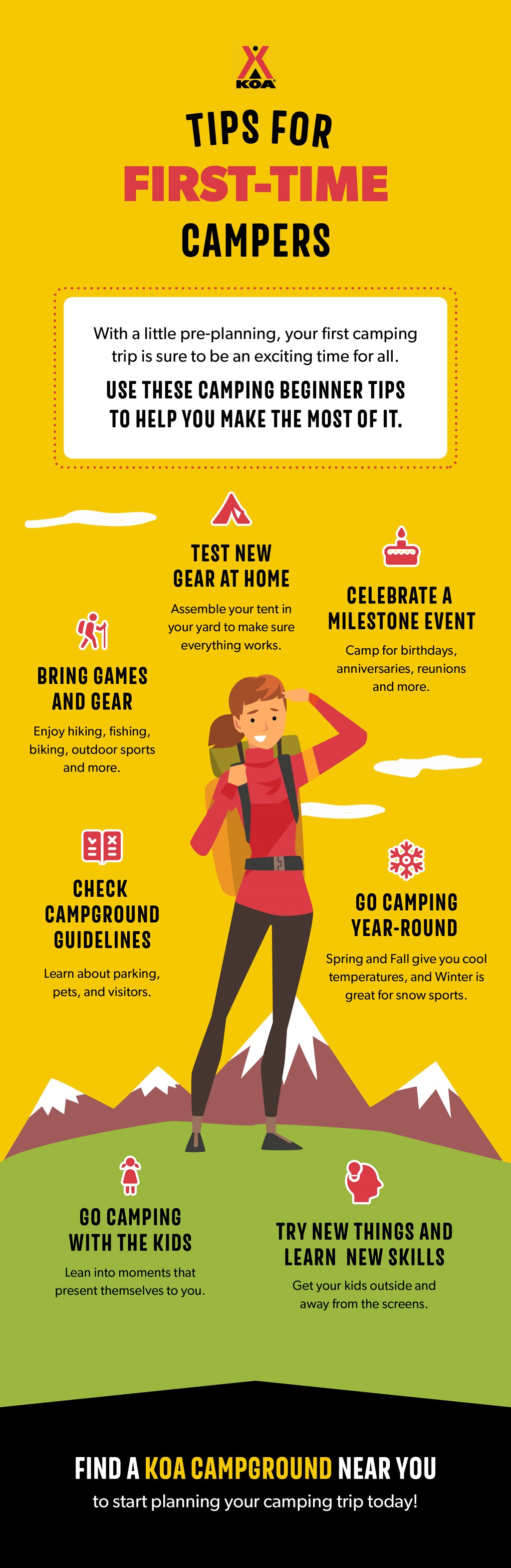
Image Source: koa.com
Planning Your First Camping Trip
The success of any camping trip, especially for camping for beginners, hinges on careful planning. This involves several key steps: choosing the right location, selecting dates, and understanding the regulations.
Selecting the Perfect Campsite
The choice of campsite is paramount. Consider the following:
- Experience Level: Start with established campgrounds that offer amenities like restrooms and running water.
- Location: Think about what you want to experience. Do you want to be near a lake, in the mountains, or in a forest?
- Availability: Popular campsites often require reservations, especially during peak seasons. Book well in advance. ReserveAmerica and Recreation.gov are excellent resources for finding and booking campsites.
- Accessibility: Ensure the campsite is accessible by your vehicle. Some sites may require a high-clearance vehicle or a hike.
Choosing the Right Dates
- Weather: Research the weather forecast for your chosen dates. Avoid camping during extreme weather conditions.
- Season: Spring and fall often offer milder temperatures and fewer crowds compared to summer.
- Weekdays vs. Weekends: Weekday camping is typically less crowded and more peaceful.
- Holidays: Be aware that holidays are peak camping times and require early booking.
Comprehending Campground Rules and Regulations
Before you pack your camping gear, learn the specific rules and regulations of your chosen campground:
- Fire Restrictions: Check for burn bans or restrictions on campfire size.
- Pet Policies: Understand the campground’s rules regarding pets, including leash requirements and designated pet areas.
- Quiet Hours: Respect the quiet hours to ensure a peaceful environment for all campers.
- Waste Disposal: Know where to dispose of trash and recycling properly. Many campgrounds have specific guidelines to prevent attracting wildlife.
- Check-in/Check-out Times: Adhere to the designated check-in and check-out times.
Camping Gear: What You’ll Need
Having the right camping gear is crucial for a comfortable and safe camping experience. Here’s a breakdown of camping essentials:
Shelter: Your Tent and Sleeping System
- Tent: Choose a tent that comfortably fits the number of people in your group. Consider a tent with a rainfly for protection from the elements. Ensure it’s easy to set up and take down.
- Sleeping Bag: Select a sleeping bag rated for the temperatures you expect to encounter. Down-filled bags are warmer but less effective when wet, while synthetic bags are more affordable and perform better in damp conditions.
- Sleeping Pad: A sleeping pad provides insulation and cushioning for a more comfortable night’s sleep. Options include foam pads, air pads, and self-inflating pads.
Cooking Essentials: Fueling Your Adventure
- Camp Stove: A portable camp stove is essential for cooking meals. Propane stoves are common and easy to use.
- Cookware: Pack a pot, pan, and utensils for cooking. Consider nesting cookware to save space.
- Utensils and Plates: Bring durable, reusable plates, bowls, and utensils for eating.
- Cooler: A cooler is necessary for keeping food and drinks cold. Use ice packs or frozen water bottles to maximize cooling efficiency.
- Water Filter or Purification Tablets: Access to clean drinking water is vital. A water filter or purification tablets can treat water from natural sources.
Clothing and Personal Items
- Layers: Pack clothing in layers to adapt to changing weather conditions. Include moisture-wicking base layers, insulating mid-layers, and a waterproof outer layer.
- Hiking Boots: Wear sturdy, waterproof hiking boots with good ankle support.
- Socks: Pack extra socks to keep your feet dry and comfortable.
- Hat and Gloves: A hat and gloves can provide extra warmth in cool weather.
- Sun Protection: Bring sunscreen, sunglasses, and a hat to protect yourself from the sun.
- Insect Repellent: Protect yourself from mosquitoes and other insects with insect repellent.
- Toiletries: Pack essential toiletries, including soap, shampoo, toothbrush, toothpaste, and toilet paper.
Safety and First Aid
- First-Aid Kit: A well-stocked first-aid kit is essential for treating minor injuries. Include items like bandages, antiseptic wipes, pain relievers, and blister treatment.
- Navigation: Bring a map, compass, and GPS device for navigation. Learn how to use them before your trip.
- Headlamp or Flashlight: A headlamp or flashlight is necessary for navigating in the dark.
- Multi-Tool or Knife: A multi-tool or knife is useful for various tasks around the campsite.
- Emergency Whistle: An emergency whistle can be used to signal for help.
Here is a sample camping checklist:
| Category | Item | Notes |
|---|---|---|
| Shelter | Tent | Size appropriate for your group |
| Sleeping Bag | Temperature rating appropriate for the weather | |
| Sleeping Pad | For insulation and comfort | |
| Cooking | Camp Stove | Portable and easy to use |
| Cookware | Pot, pan, utensils | |
| Utensils & Plates | Reusable | |
| Cooler | For perishable food | |
| Water Filter/Purification Tablets | Essential for safe drinking water | |
| Clothing | Layers | Base, mid, and outer layers |
| Hiking Boots | Sturdy and waterproof | |
| Socks | Extra pairs | |
| Hat & Gloves | For cold weather | |
| Sunscreen | High SPF | |
| Sunglasses | UV protection | |
| Insect Repellent | DEET or picaridin-based | |
| Safety | First-Aid Kit | Comprehensive |
| Map & Compass | For navigation | |
| Headlamp/Flashlight | With extra batteries | |
| Multi-Tool/Knife | Versatile tool | |
| Emergency Whistle | For signaling for help | |
| Miscellaneous | Trash Bags | Pack it in, pack it out |
| Toilet Paper | Biodegradable | |
| Hand Sanitizer | For hygiene | |
| Camp Chairs | For comfortable seating |
Campsite Setup: Creating Your Outdoor Home
Setting up your campsite efficiently is crucial for a comfortable camping experience.
Arriving and Assessing the Site
- Check-In: Upon arrival, check in with the campground host and obtain any necessary permits or information.
- Site Inspection: Inspect your campsite for hazards like broken glass, sharp objects, or poison ivy.
- Level Ground: Choose a level spot for your tent to ensure a comfortable night’s sleep.
Setting Up Your Tent
- Clear the Area: Remove any rocks, sticks, or debris from the tent site.
- Ground Tarp: Place a ground tarp underneath your tent to protect it from abrasion and moisture.
- Tent Assembly: Follow the tent manufacturer’s instructions for setting up the tent.
- Stake It Down: Secure the tent with stakes, ensuring it is taut and stable.
Organizing Your Campsite
- Cooking Area: Designate a separate area for cooking away from the tent to prevent attracting animals.
- Food Storage: Store food in airtight containers and hang it from a tree or use a bear-resistant canister to protect it from wildlife.
- Trash Disposal: Set up a designated trash bag and dispose of waste properly.
- Fire Safety: Ensure your campfire is in a designated fire pit or ring and keep water nearby for extinguishing it.
Camping Food: Delicious Meals in the Great Outdoors
Camping food doesn’t have to be bland. With a little planning, you can enjoy delicious meals while camping.
Planning Your Meals
- Meal Planning: Plan your meals in advance and create a detailed shopping list.
- Non-Perishable Foods: Focus on non-perishable foods like canned goods, dried fruits, nuts, and pasta.
- Easy-to-Prepare Meals: Choose meals that are easy to prepare and require minimal cooking time.
- Portion Sizes: Pack appropriate portion sizes to avoid food waste.
Cooking Methods
- Camp Stove Cooking: Use a camp stove for cooking meals like pasta, soup, and stir-fries.
- Foil Packet Meals: Wrap food in aluminum foil and cook it over the campfire.
- Campfire Cooking: Cook food directly over the campfire using a grill or skewers.
- One-Pot Meals: Prepare one-pot meals to minimize cleanup.
Food Safety
- Keep Food Cold: Store perishable foods in a cooler with ice or ice packs.
- Wash Your Hands: Wash your hands thoroughly before preparing and eating food.
- Cook Food Thoroughly: Cook food to the proper internal temperature to kill bacteria.
- Avoid Cross-Contamination: Use separate cutting boards and utensils for raw and cooked foods.
Simple Camping Meal Ideas
Here are some simple meal ideas for your camping trip:
- Breakfast: Oatmeal with dried fruit and nuts, breakfast burritos, pancakes.
- Lunch: Sandwiches, wraps, salads, soup.
- Dinner: Pasta with sauce, foil packet meals (e.g., chicken and vegetables), chili, one-pot meals.
- Snacks: Trail mix, granola bars, fruit, jerky.
Enjoying Outdoor Recreation Responsibly
Camping offers a unique opportunity to connect with nature and enjoy outdoor recreation.
Leave No Trace Principles
- Plan Ahead and Prepare: Know the regulations and special concerns for the area you’ll visit.
- Travel and Camp on Durable Surfaces: Stay on established trails and campsites.
- Dispose of Waste Properly: Pack out everything you pack in.
- Leave What You Find: Leave natural objects as you find them.
- Minimize Campfire Impacts: Use a camp stove for cooking and a designated fire pit for campfires.
- Respect Wildlife: Observe wildlife from a distance and never feed them.
- Be Considerate of Other Visitors: Respect quiet hours and avoid making excessive noise.
Activities to Enjoy
- Hiking: Explore the trails around your campsite.
- Fishing: Fish in nearby lakes or streams (check local regulations).
- Wildlife Viewing: Observe birds and other animals in their natural habitat.
- Photography: Capture the beauty of the natural world.
- Stargazing: Enjoy the night sky away from city lights.
- Campfire Stories: Share stories and songs around the campfire.
Conclusion
Camping offers a wonderful way to escape the hustle and bustle of daily life and connect with nature. By following these camping tips and preparing adequately with the right camping gear, even camping for beginners can have a safe, comfortable, and memorable experience. Remember to respect the environment, practice Leave No Trace principles, and enjoy the many benefits of outdoor recreation. With a little planning and preparation, your camping adventure will be a success!
Frequently Asked Questions (FAQ)
- What is the best time of year to go camping? The best time to go camping depends on your location and preferences. Spring and fall often offer milder temperatures and fewer crowds.
- Can I camp anywhere? No, you cannot camp anywhere. It is important to camp in designated campgrounds or areas where camping is permitted. Always check local regulations before setting up camp.
- Who is responsible for cleaning up the campsite? You are responsible for cleaning up your campsite and leaving it in better condition than you found it. Practice Leave No Trace principles.
- What should I do if I encounter a bear while camping? If you encounter a bear, remain calm. Do not run or make sudden movements. Make yourself look large and make noise. Carry bear spray if camping in bear country.
- How do I keep bugs away while camping? Use insect repellent, wear long sleeves and pants, and avoid camping near standing water. Consider using a mosquito net for your tent.
- What are some essential camping safety tips? Essential camping safety tips include bringing a first-aid kit, knowing how to navigate, being aware of weather conditions, storing food properly to avoid attracting animals, and letting someone know your plans.
- What is backpacking camping and how does it differ from tent camping? Backpacking camping involves hiking to a campsite while carrying all your gear in a backpack. It differs from tent camping, which usually involves driving to a campsite and setting up a larger, more comfortable camp. Backpacking requires ultralight camping gear and careful planning.
Melody Smith is a passionate writer, outdoor enthusiast, and camping expert based in the Seattle Metropolitan Area. With a deep love for nature and adventure, she shares her personal experiences, tips, and insights on MyCampingPro.com. A seasoned camper and traveler, Melody combines her creative background in design and writing with her love for the great outdoors, offering practical advice and inspiring stories to help others make the most of their outdoor experiences. When she’s not exploring the wilderness, you can find her painting, collecting vintage treasures, or diving into a good book.