
The short answer is no, you should generally not use a propane camping stove indoors. While the convenience of a portable heat source might be tempting, the risks associated with using a propane stove indoors are significant and potentially deadly. This article will thoroughly explore the dangers of propane indoors, detail propane stove carbon monoxide risks, and cover crucial aspects of indoor propane stove safety. We’ll also suggest indoor camping stove alternatives and touch upon relevant indoor propane stove regulations.
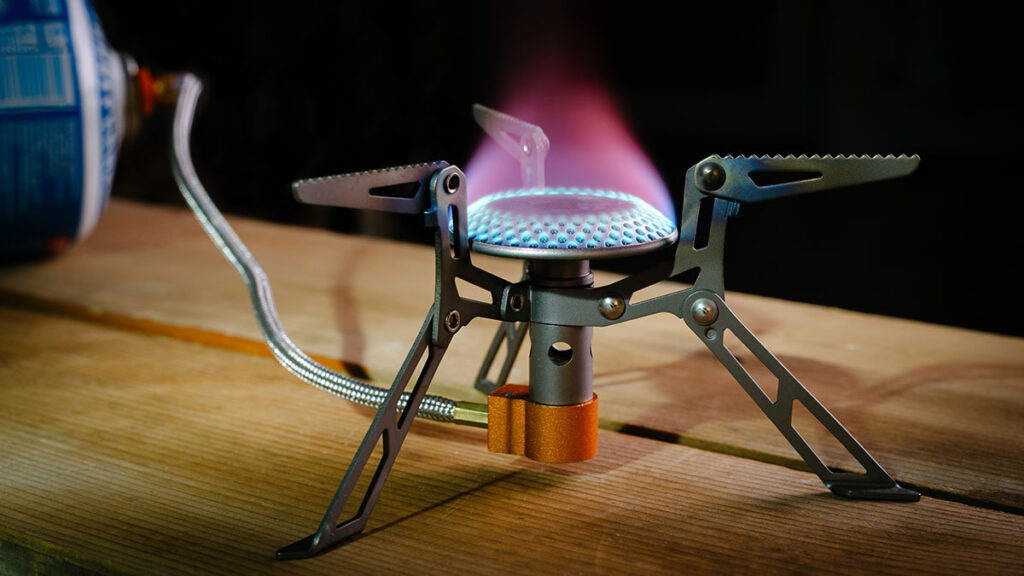
Image Source: prepperpress.com
Grave Perils: Propane Indoors
Propane, while a useful fuel source for outdoor activities, poses substantial risks when used in enclosed spaces. Comprehending these risks is the first step towards ensuring your safety.
Carbon Monoxide Poisoning: A Silent Killer
Perhaps the most significant danger is propane stove carbon monoxide production. Carbon monoxide (CO) is a colorless, odorless gas produced by the incomplete combustion of fuels like propane. In an open, well-ventilated environment, CO dissipates quickly. However, using propane stove indoors risks a rapid buildup of CO to dangerous levels.
- How CO Affects You: CO interferes with the blood’s ability to carry oxygen. When inhaled, it binds to hemoglobin much more readily than oxygen, effectively starving your vital organs and tissues.
- Symptoms of CO Poisoning: These can be subtle and easily mistaken for the flu. Initial symptoms include headache, dizziness, nausea, and fatigue. As CO levels rise, symptoms progress to confusion, loss of consciousness, and ultimately, death.
- Why It’s So Dangerous: CO is undetectable without a detector. You might be exposed to dangerous levels without even realizing it. This is why safe indoor propane cooking is, for all intents and purposes, an oxymoron without specific safety measures.
Oxygen Depletion: Suffocation Risk
Combustion requires oxygen. When a propane stove burns indoors, it consumes oxygen from the air. In a poorly ventilated space, this can lead to oxygen depletion, making it difficult to breathe. While not as immediate a threat as CO poisoning, prolonged oxygen deprivation can have serious health consequences.
Fire and Explosion Hazards: A Volatile Mix
Propane is a highly flammable gas. Leaks, even small ones, can create an explosive atmosphere. A spark from a light switch, a static discharge, or even the stove itself can ignite the propane, resulting in a fire or explosion. This is a major reason why indoor propane stove precautions are so critical, and why it’s generally discouraged.
Burn Injuries: Immediate and Painful
The stove itself poses a burn risk. Contact with hot surfaces, spilled fuel, or flare-ups can cause severe burns. Children and pets are particularly vulnerable.
Necessary Precautions: A False Sense of Security?
While some might believe that careful indoor propane stove precautions can mitigate the risks, the reality is that completely eliminating the dangers is nearly impossible.
Ventilation: Not a Guaranteed Solution
Propane stove ventilation indoors is often touted as a way to reduce CO buildup. However, relying on ventilation alone is risky.
- Challenges of Adequate Ventilation: Achieving truly adequate ventilation in a typical home is difficult. Opening a window might not be enough, especially in smaller rooms. Cross-ventilation is ideal, but even then, the effectiveness depends on weather conditions and the size of the room.
- False Sense of Security: Relying solely on ventilation can create a false sense of security, leading to complacency and increased risk.
- Drafts and Inconsistent Airflow: Ventilation can be affected by drafts and inconsistent airflow, leading to pockets of CO buildup even with open windows.
Carbon Monoxide Detectors: Essential, But Not Foolproof
A carbon monoxide detector is a crucial safety device, but it’s not a substitute for proper ventilation and avoiding using a propane stove indoors risks altogether.
- Limitations of Detectors: Detectors have a delay in detecting CO. By the time the alarm sounds, dangerous levels may already be present.
- Proper Placement: Detectors must be placed correctly, according to manufacturer instructions, to be effective.
- Maintenance Required: Detectors need regular battery replacements and periodic testing to ensure they are functioning properly.
- False Alarms: Detectors can sometimes trigger false alarms, which can lead to complacency and a disregard for future warnings.
Following Instructions: Critical, But Not Enough
Carefully following the stove’s operating instructions is essential, but it doesn’t eliminate the inherent risks of using propane indoors. Instructions are designed for outdoor use and do not adequately address the specific hazards of enclosed spaces.
Legality & Regulations: What the Rules Say
Before considering using a propane stove indoors, it’s crucial to be aware of indoor propane stove regulations. In many jurisdictions, propane stove indoor use permitted is severely restricted or outright prohibited.
- Building Codes: Local building codes often prohibit the use of unvented fuel-burning appliances indoors.
- Fire Codes: Fire codes may restrict the storage and use of propane tanks indoors.
- Manufacturer Warnings: Propane stove manufacturers typically include warnings against indoor use in their product manuals.
- Insurance Implications: Using a propane stove indoors in violation of regulations could void your homeowner’s or renter’s insurance policy.
It is always advisable to consult local regulations and codes to ensure compliance and avoid potential legal repercussions.
Safe Alternatives: Better Options for Indoor Cooking
Given the significant risks, exploring indoor camping stove alternatives is a much safer approach. Numerous options provide convenient and safe indoor cooking solutions.
Electric Stoves: A Reliable and Safe Choice
Electric stoves are a common and safe option for indoor cooking. They eliminate the risk of carbon monoxide poisoning and gas leaks.
- Types of Electric Stoves: Options range from portable induction cooktops to full-sized electric ranges.
- Benefits: No open flame, no carbon monoxide emissions, and readily available.
- Considerations: Requires access to electricity, may have higher energy consumption than gas stoves.
Induction Cooktops: Efficient and Precise
Induction cooktops use electromagnetic energy to heat cookware directly, offering precise temperature control and energy efficiency.
- How They Work: Only the cookware heats up, reducing the risk of burns.
- Benefits: Fast heating, precise temperature control, energy efficient, and easy to clean.
- Considerations: Requires compatible cookware (magnetic material), can be more expensive than traditional electric stoves.
Electric Pressure Cookers: Versatile and Safe
Electric pressure cookers are a versatile appliance that can cook a wide range of foods quickly and safely.
- Benefits: Safe operation (no open flame or gas), cooks food quickly, and versatile for various dishes.
- Considerations: Can be bulky, may require some practice to master cooking times.
Microwave Ovens: Quick and Convenient
Microwave ovens are a convenient option for reheating food and cooking simple meals.
- Benefits: Quick cooking times, easy to use, and readily available.
- Considerations: Limited cooking options, can’t achieve the same results as stovetop cooking.
Portable Butane Stoves: Still Risky, But Less So
Butane stoves are another portable option, but they still pose some risks indoors, although generally considered less dangerous than propane.
- Considerations: Butane still produces carbon monoxide, requires ventilation, and poses a fire hazard.
- Mitigation: If used indoors, ensure proper ventilation and carbon monoxide detection.
Table: Comparing Cooking Alternatives
| Feature | Propane Stove (Indoors) | Electric Stove | Induction Cooktop | Electric Pressure Cooker |
|---|---|---|---|---|
| Carbon Monoxide Risk | High | None | None | None |
| Fire/Explosion Risk | High | Low | Low | Low |
| Ventilation Required | Essential | Not Required | Not Required | Not Required |
| Fuel Source | Propane | Electricity | Electricity | Electricity |
| Portability | High | Low | High | High |
| Safety | Low | High | High | High |
In Conclusion: Prioritize Safety
The allure of a propane camping stove for indoor use is tempting, especially during emergencies or when alternative cooking options are limited. However, the dangers of propane indoors, particularly the risk of carbon monoxide poisoning, fire, and oxygen depletion, far outweigh the convenience. Prioritizing safety is paramount. Opt for safer indoor camping stove alternatives like electric stoves, induction cooktops, or electric pressure cookers. Always be aware of indoor propane stove regulations and exercise extreme caution when dealing with propane or any fuel-burning appliance. When it comes to propane indoors, it’s always better to be safe than sorry. Understanding the risks and taking appropriate precautions can save lives.
Frequently Asked Questions (FAQ)
Q: What is the biggest risk of using a propane stove indoors?
A: The biggest risk is carbon monoxide (CO) poisoning. CO is a colorless, odorless gas that can build up to dangerous levels in enclosed spaces, leading to serious health problems and even death.
Q: Can I use a propane stove indoors if I have a carbon monoxide detector?
A: While a CO detector is essential, it’s not a substitute for avoiding propane use indoors altogether. Detectors can have a delay in detecting CO, and by the time the alarm sounds, dangerous levels may already be present.
Q: Who is liable if someone gets sick from a propane stove used indoors?
A: Liability can vary depending on the situation and jurisdiction. Potentially liable parties could include the person using the stove, the property owner, or even the stove manufacturer if there was a product defect.
Q: What are some signs that I might have carbon monoxide poisoning?
A: Symptoms include headache, dizziness, nausea, fatigue, confusion, and loss of consciousness. If you experience these symptoms while using a propane stove indoors, immediately turn off the stove, ventilate the area, and seek medical attention.
Q: What is the best way to ventilate a room if I accidentally used a propane stove indoors?
A: Open all windows and doors to create cross-ventilation. Use fans to circulate the air and help dissipate any accumulated carbon monoxide.
Q: Can I use a propane heater indoors?
A: No, propane heaters pose the same risks as propane stoves when used indoors. They produce carbon monoxide and consume oxygen, leading to potential poisoning and suffocation.
Q: Are there any propane stoves that are safe for indoor use?
A: Generally, no. Most propane stoves are designed and intended for outdoor use only. Using them indoors is inherently dangerous, regardless of the manufacturer’s claims. Look for appliances specifically designed and certified for indoor use, which will typically be electric.

Melody Smith is a passionate writer, outdoor enthusiast, and camping expert based in the Seattle Metropolitan Area. With a deep love for nature and adventure, she shares her personal experiences, tips, and insights on MyCampingPro.com. A seasoned camper and traveler, Melody combines her creative background in design and writing with her love for the great outdoors, offering practical advice and inspiring stories to help others make the most of their outdoor experiences. When she’s not exploring the wilderness, you can find her painting, collecting vintage treasures, or diving into a good book.