
Where can I go camping for free? You can find free camping on public lands managed by the Bureau of Land Management (BLM) and the National Forest Service (NFS). These areas often allow dispersed camping, but you must follow specific rules.
Camping can be a wonderful way to connect with nature, but the costs can add up quickly. Campsite fees, park entrance fees, and gear can strain your budget. Luckily, free camping is possible! This guide will show you how to find amazing free camping locations and enjoy the great outdoors without spending a fortune. We’ll cover everything from free camping public lands to understanding free camping permits.
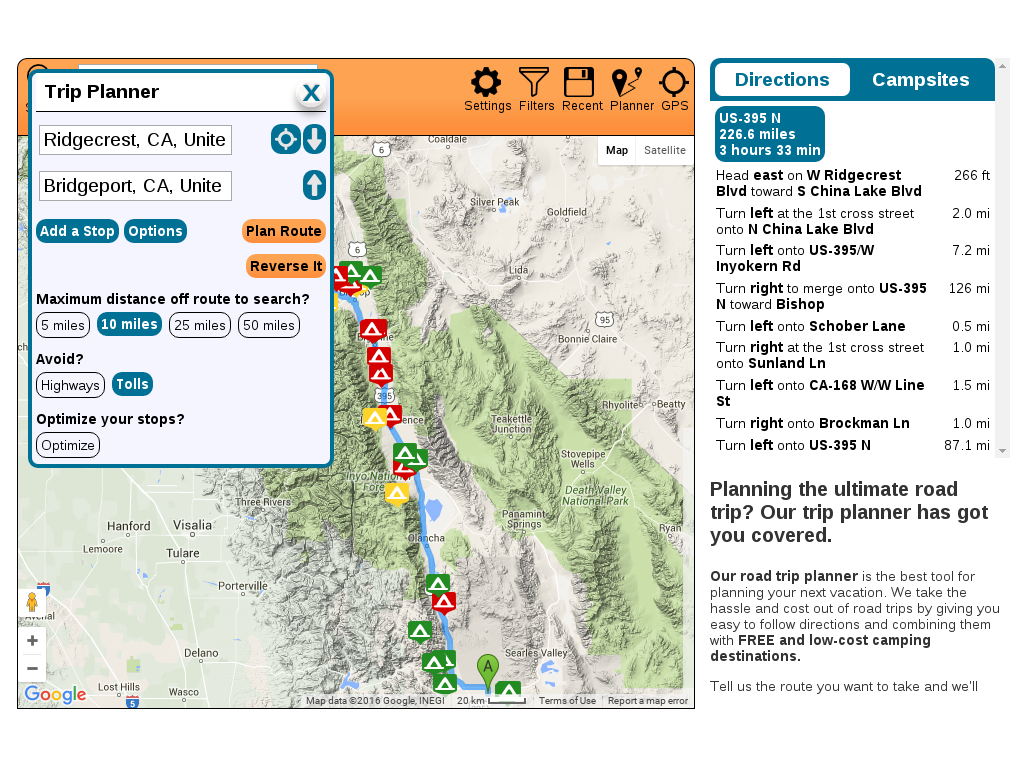
Image Source: freecampsites.net
Finding Free Camping: Your Treasure Map
The key to free camping is knowing where to look. Government agencies often have areas where camping is allowed at no cost. Here are some prime spots:
Bureau of Land Management (BLM) Lands
The BLM manages millions of acres of public land, mostly in the western United States. Much of this land is open to dispersed camping near me, also called “boondocking” or “primitive camping.”
- What is dispersed camping? Dispersed camping means camping outside of designated campgrounds. There are no amenities like restrooms, picnic tables, or fire rings. You’re truly on your own.
- Finding BLM land: Use the BLM’s website or apps like Gaia GPS, AllTrails, or The Dyrt to find BLM land near you. Look for areas marked as “Public Land” or “BLM Land.”
- BLM Rules: BLM land has rules to protect the environment.
- Camping is usually limited to 14 days in a 28-day period in one location.
- You must camp at least 200 feet away from water sources.
- Pack out all your trash (“Leave No Trace”).
- Check for fire restrictions before building a campfire.
- Some areas may require a free camping permit or have other specific rules. Always check with the local BLM office.
National Forest Service (NFS) Lands
Like the BLM, the NFS manages vast tracts of land, often forested, across the country. Many National Forests allow dispersed camping.
- Finding NFS land: Use the NFS website or the apps mentioned above to locate National Forests near you.
- NFS Rules: Similar to the BLM, the NFS has rules for dispersed camping.
- Camping is typically limited to 14 days in a 30-day period.
- Follow “Leave No Trace” principles.
- Be aware of fire restrictions.
- Some areas may require a free camping permit, especially in popular areas. Contact the local NFS office for details.
- Free Campgrounds: Some National Forests also have free campgrounds, often smaller and more primitive than paid campgrounds. These are usually first-come, first-served.
Water Management District Lands
In some states, such as Florida, Water Management Districts own and manage large areas of land for water conservation. These lands often allow free camping, usually primitive camping free, but with limited amenities.
- Finding Water Management District Land: Check the website of the Water Management District in your area.
- Rules: Rules vary, but permits are often required, and camping is usually limited to designated areas.
How to Find Specific Free Camping Spots
While knowing the general areas (BLM, NFS) is helpful, finding specific spots takes more effort. Here are some helpful strategies:
- Online Resources:
- Freecampsites.net: A popular website with user-submitted free camping locations.
- Campendium: A website and app that lists campgrounds, including free options.
- The Dyrt: Another excellent app with user reviews and information on camping locations.
- Allstays: A website and app with a focus on RV camping, including free RV camping options.
- Google Maps: Use Google Maps to scout potential locations. Look for dirt roads leading into public lands. Use satellite view to identify cleared areas that might be suitable for camping.
- Contact Local Agencies: Call or visit the local BLM or NFS office. Rangers can provide information on free camping near me, current conditions, and any restrictions.
- Talk to Other Campers: Chat with other campers you meet on the road. They may have insider tips on great boondocking sites.
Types of Free Camping
There are several ways to enjoy free camping, each with its own advantages and disadvantages:
- Dispersed Camping: Camping outside of designated campgrounds, usually on BLM or NFS land. This is the most common type of free camping. It offers privacy and solitude but requires self-sufficiency.
- Free Campgrounds: Some campgrounds are free, usually on a first-come, first-served basis. These campgrounds are often primitive, with limited or no amenities.
- Walmart Parking Lots: Free overnight camping is permitted at some Walmart stores, but it’s important to check with the store manager first. This is best for a quick overnight stop while traveling.
- Truck Stops: Some truck stops allow overnight parking for RVs and trucks. This is another option for a quick overnight stop, but it’s not ideal for a long camping trip.
- Rest Areas: Some rest areas allow overnight parking, but regulations vary by state. Check the rules before setting up camp.
What to Know About Free Camping Rules
Comprehending the rules is very important to ensure your safety and protect the environment. Here’s a summary:
| Rule | Description |
|---|---|
| Time Limits | Usually 14 days in a 28- or 30-day period. |
| Distance from Water | Camp at least 200 feet from water sources. |
| Leave No Trace | Pack out all trash, minimize campfire impact, and leave the area as you found it. |
| Fire Restrictions | Check for fire bans before building a campfire. Use existing fire rings when available. |
| Permits | Some areas require a free camping permit. Check with the local agency. |
| Vehicle Restrictions | Some areas may have restrictions on vehicle size or type. |
| Respect Private Property | Be aware of property boundaries and avoid trespassing. |
What You Need for Free Camping
Free camping requires careful preparation. Since you’ll be on your own, you need to bring everything you need.
- Water: Bring plenty of water for drinking, cooking, and washing. A general rule of thumb is one gallon per person per day.
- Food: Pack non-perishable food that is easy to prepare.
- Shelter: A tent or RV is essential for protection from the elements.
- Sleeping Bag: Choose a sleeping bag appropriate for the expected temperatures.
- Cooking Supplies: Bring a portable stove, cookware, and utensils.
- Toiletries: Pack toilet paper, soap, and a trowel for burying human waste.
- Trash Bags: Bring trash bags for packing out all your trash.
- First-Aid Kit: A well-stocked first-aid kit is essential for dealing with minor injuries.
- Navigation: Bring a map, compass, or GPS device to help you navigate.
- Communication: A cell phone or satellite communication device is important for emergencies.
- Power: Consider bringing a portable solar charger or generator to power your devices.
- Tools: A multi-tool, knife, and shovel can be helpful for various tasks.
Making Your Free Camping Experience Safe
Safety should always be your top priority when camping, especially in remote areas.
- Tell Someone Your Plans: Let someone know where you’re going and when you expect to return.
- Be Aware of Wildlife: Store food properly to avoid attracting animals. Be cautious of bears, snakes, and other wildlife.
- Check the Weather: Be aware of the weather forecast and be prepared for changing conditions.
- Be Careful with Fire: Follow fire safety rules and never leave a campfire unattended.
- Protect Yourself from the Sun: Wear sunscreen, a hat, and sunglasses to protect yourself from the sun.
- Stay Hydrated: Drink plenty of water, especially in hot weather.
- Be Aware of Your Surroundings: Pay attention to your surroundings and be aware of potential hazards.
- Carry Bear Spray: If you’re camping in bear country, carry bear spray and know how to use it.
Free RV Camping: Specific Considerations
Free RV camping, also called boondocking or dry camping, requires special planning.
- Water: RVs have larger water tanks, but you still need to conserve water.
- Waste Disposal: RVs have holding tanks for sewage. Plan your trip around dump stations.
- Power: RVs require power for lights, appliances, and other systems. Consider using solar power or a generator.
- Leveling: RVs need to be level for appliances to work correctly. Bring leveling blocks.
- Accessibility: Not all free camping areas are accessible to RVs. Check road conditions and clearance before heading out.
Cheap Camping Options
If you’re struggling to find entirely free camping, consider these cheap camping options:
- State Parks: State parks often have lower camping fees than private campgrounds.
- County Parks: County parks can also offer affordable camping options.
- Discount Camping Clubs: Organizations like Passport America and Thousand Trails offer discounted camping rates at participating campgrounds.
- Workamping: Workamping involves working in exchange for a campsite. This can be a great way to camp for free or at a reduced cost.
Fathoming “Leave No Trace”
“Leave No Trace” is a set of principles designed to minimize your impact on the environment. Following these principles ensures that future generations can enjoy the same natural beauty.
- Plan Ahead and Prepare: Know the regulations and special concerns for the area you’ll be visiting.
- Travel and Camp on Durable Surfaces: Stay on established trails and campsites.
- Dispose of Waste Properly: Pack out everything you pack in.
- Minimize Campfire Impacts: Use a camp stove for cooking. If you build a campfire, use an existing fire ring and keep it small.
- Respect Wildlife: Observe wildlife from a distance. Never feed animals.
- Be Considerate of Other Visitors: Respect the peace and quiet of the outdoors.
Frequently Asked Questions (FAQ)
- Can I have a campfire when free camping? It depends on the current fire restrictions. Always check with the local agency before building a campfire.
- What is the best time of year for free camping? The best time of year depends on the location and your personal preferences. Spring and fall offer mild temperatures and fewer crowds.
- Is free camping safe? Free camping can be safe if you take the necessary precautions. Be aware of your surroundings, tell someone your plans, and carry appropriate safety equipment.
- How long can I camp for free? Usually a maximum of 14 days.
- What are some good resources for finding free camping? Freecampsites.net, Campendium, The Dyrt, and local BLM and NFS offices are all good resources.
- Do I need a permit for free camping? Some areas require a free camping permit. Check with the local agency.
Free camping offers an amazing way to experience nature without breaking the bank. By following the guidelines and tips in this guide, you can find incredible boondocking sites and enjoy unforgettable outdoor adventures. Just remember to respect the environment and leave no trace behind. Happy camping!
Melody Smith is a passionate writer, outdoor enthusiast, and camping expert based in the Seattle Metropolitan Area. With a deep love for nature and adventure, she shares her personal experiences, tips, and insights on MyCampingPro.com. A seasoned camper and traveler, Melody combines her creative background in design and writing with her love for the great outdoors, offering practical advice and inspiring stories to help others make the most of their outdoor experiences. When she’s not exploring the wilderness, you can find her painting, collecting vintage treasures, or diving into a good book.