
What is boondock camping? Boondock camping, also known as dispersed camping, dry camping, wild camping, free camping, off-grid camping, primitive camping, or backcountry camping, is camping in remote areas, away from established campgrounds and their amenities. It involves setting up camp on public lands, often without hookups for water, electricity, or sewer, and is usually free of charge.
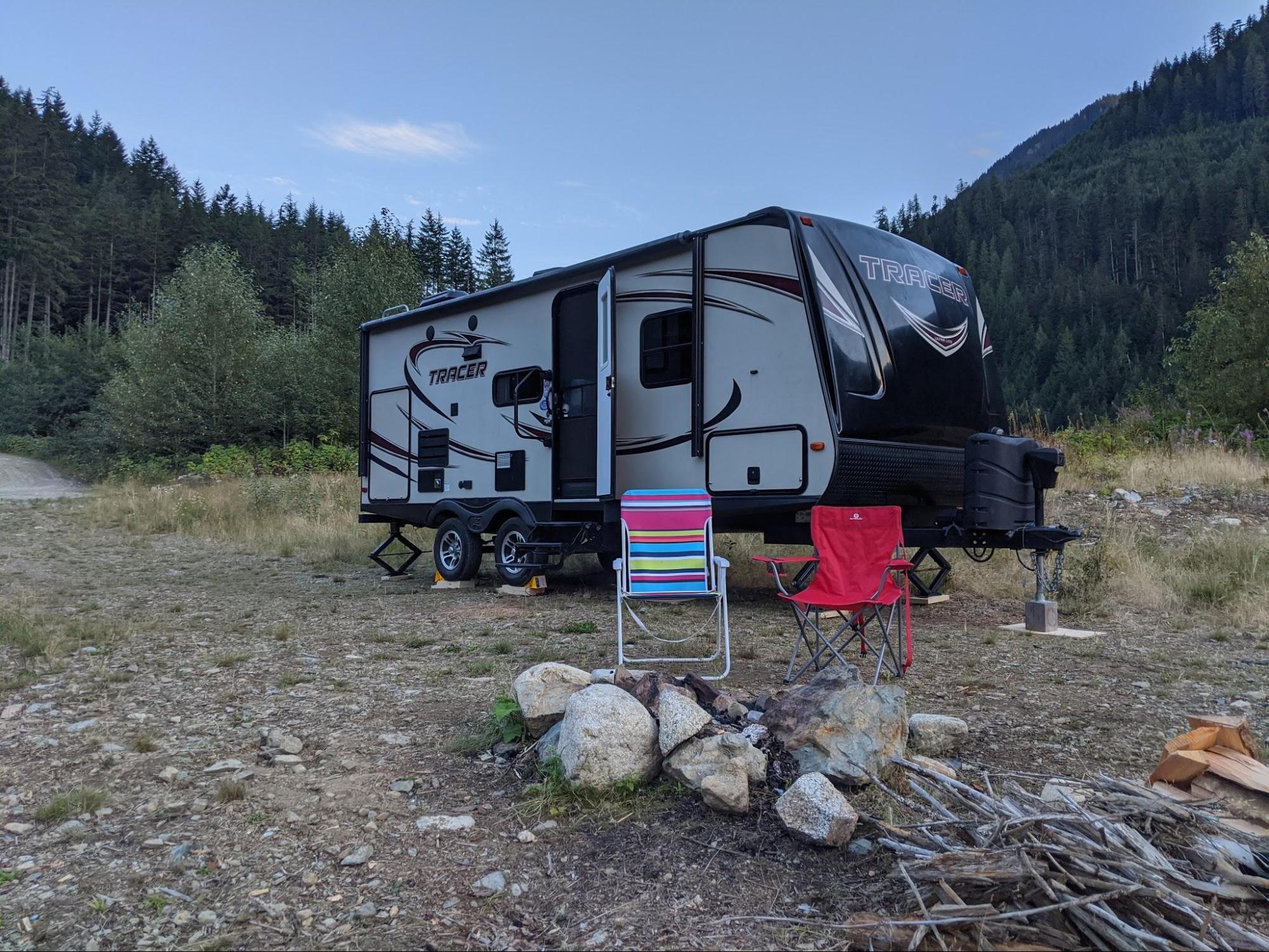
Image Source: homearoam.com
A Deep Dive into Boondock Camping
Boondock camping offers a unique and rewarding experience for those seeking solitude, adventure, and a deeper connection with nature. It’s a chance to escape the crowds of traditional campgrounds and immerse yourself in the tranquility of the wilderness. However, it also requires careful planning, preparation, and a commitment to responsible camping practices. This guide will walk you through everything you need to know about boondocking, from finding the perfect spot to staying safe and comfortable off-grid.
The Many Names of Boondocking
Boondocking goes by many names, each highlighting a slightly different aspect of the experience:
- Dispersed Camping: Emphasizes the lack of designated campsites and the freedom to choose your own spot.
- Dry Camping: Highlights the absence of water and sewer hookups, requiring you to be self-sufficient.
- Wild Camping: Captures the sense of being in the untamed wilderness.
- Free Camping: Refers to the fact that boondocking is typically free on public lands.
- Off-Grid Camping: Focuses on the lack of utility connections and the need to generate your own power.
- Primitive Camping: Highlights the lack of amenities and the need for basic survival skills.
- Backcountry Camping: Suggests camping in remote, undeveloped areas.
- Stealth Camping: Setting up camp discreetly, often in areas where camping is not officially allowed but tolerated, requiring extra care to avoid detection and leave no trace.
While each term has its nuances, they all refer to the same basic concept: camping away from developed campgrounds and relying on your own resources.
Why Choose Boondock Camping?
Boondock camping offers several advantages over traditional campground camping:
- Cost Savings: Boondocking is typically free, saving you money on campsite fees.
- Privacy and Solitude: Enjoy a peaceful and secluded camping experience away from crowds.
- Connection with Nature: Immerse yourself in the beauty and tranquility of the natural world.
- Adventure and Freedom: Explore remote areas and experience the thrill of self-sufficiency.
- Flexibility: Camp almost anywhere on public lands, allowing you to customize your trip.
- Pet-Friendly: Pets love exploring the wilderness!
Where to Find Boondocking Locations
Finding the right boondocking spot is crucial for a successful trip. Here are some resources to help you locate potential campsites:
- Bureau of Land Management (BLM) Land: BLM land is a popular choice for boondocking, offering vast tracts of public land in the western United States.
- National Forest Land: National Forests also allow dispersed camping, but regulations may vary.
- Freecampsites.net: A crowdsourced website listing free camping locations across the United States.
- Campendium: A website and app offering detailed information about campgrounds and dispersed camping areas.
- Allstays: Provides comprehensive information about campgrounds, including boondocking options.
- Gaia GPS: This app and website offer detailed topographic maps, making it easier to find remote campsites.
- Google Earth: Use satellite imagery to scout potential campsites and assess road conditions.
- Local Ranger Stations: Contact the local ranger station for information about dispersed camping regulations and available areas.
Understanding Dispersed Camping Regulations
Before you head out, it’s essential to understand the rules and regulations governing dispersed camping. Dispersed camping regulations vary depending on the land management agency and the specific location. Here are some general guidelines to keep in mind:
- Time Limits: Most agencies have time limits for dispersed camping, typically 14 days in a 30-day period.
- Distance from Roads and Water: You may be required to camp a certain distance from roads, trails, and water sources to protect the environment.
- Leave No Trace: It is essential to pack out all trash, minimize campfire impacts, and leave the campsite as you found it.
- Fire Restrictions: Be aware of fire restrictions, especially during dry seasons. Use established fire rings whenever possible, and never leave a fire unattended.
- Permits: Some areas may require permits for dispersed camping, especially in heavily used areas.
- Waste Disposal: Properly dispose of human waste by digging a cathole at least 6 inches deep and 200 feet away from water sources.
Table: Comparing BLM and National Forest Dispersed Camping
| Feature | BLM Camping | National Forest Camping |
|---|---|---|
| Land Area | Vast open spaces, primarily in the western U.S. | Often forested areas, found across the U.S. |
| Camping Rules | Generally more lenient, but still follow Leave No Trace principles. | Regulations can be stricter; check local ranger station. |
| Time Limits | Typically 14 days in a 28-day period at any one location. | Varies by forest; often 14 days in a 30-day period. |
| Popularity | Popular for RV boondocking due to accessibility. | Popular for tent camping and backpacking. |
| Best For | Those seeking wide-open landscapes and solitude. | Those seeking forested environments and hiking opportunities. |
| Access | Roads can be rough; high clearance vehicles recommended in some areas. | Access can vary, with some areas easily accessible by car and others requiring hiking. |
| Fire Regulations | Highly regulated; check for fire bans before your trip, especially during dry season. | Similar to BLM; fire restrictions are common. |
| Water Sources | Often scarce; plan to bring all your water. | Streams and lakes may be available, but treat all water before drinking. |
| Contact | Visit the local BLM office for the area you plan to visit for specific rules and regulations. Also, check the BLM website for updates. | Visit the local National Forest office or website for the forest you plan to visit. |
Tips for Finding the Perfect Boondocking Spot
- Do your research: Use online resources, maps, and satellite imagery to identify potential campsites.
- Read reviews: Check online forums and camping websites for reviews and recommendations from other boondockers.
- Scout in advance: If possible, scout the area in advance to assess road conditions, campsite suitability, and potential hazards.
- Arrive early: Arrive early in the day to secure a good campsite, especially during peak season.
- Look for established campsites: Choose campsites that have been used before to minimize your impact on the environment.
- Consider accessibility: Choose a campsite that is accessible to your vehicle, but not so close to the road that it disturbs your peace.
- Check for cell service: If you need to stay connected, check for cell service at the campsite.
- Respect private property: Be aware of property boundaries and avoid trespassing on private land.
Essential Gear for Boondock Camping
Boondock camping requires careful planning and the right gear to ensure your safety and comfort. Here’s a checklist of essential items:
- Shelter: Tent, RV, or camper
- Sleeping Gear: Sleeping bag, sleeping pad, pillow
- Water: Plenty of water for drinking, cooking, and washing (at least 1 gallon per person per day)
- Water Storage: Water jugs, water bladder
- Water Filtration/Purification: Water filter, water purification tablets
- Food: Non-perishable food items that are easy to prepare
- Cooking Supplies: Camp stove, cookware, utensils
- Lighting: Headlamp, flashlight, lantern
- Navigation: Map, compass, GPS
- First-Aid Kit: Comprehensive first-aid kit with essential medications
- Toiletries: Soap, shampoo, toothbrush, toothpaste
- Toilet Paper: Biodegradable toilet paper
- Shovel/Trowel: For burying human waste
- Trash Bags: For packing out all trash
- Sun Protection: Sunscreen, hat, sunglasses
- Insect Repellent: To protect against mosquitoes and other insects
- Appropriate Clothing: Layers of clothing for varying weather conditions
- Fire Starter: Matches, lighter, fire starter
- Knife/Multi-Tool: For various tasks
- Power Source: Solar panels, generator, portable power station
- Communication Device: Cell phone, satellite phone, two-way radio
Water Management
Water is essential for survival, so it’s crucial to plan your water needs carefully. Here are some tips for water management while boondocking:
- Calculate your water needs: Estimate how much water you will need for drinking, cooking, washing, and other uses.
- Bring enough water: Bring more water than you think you will need, as you never know when you might need extra.
- Conserve water: Use water sparingly by taking short showers, washing dishes efficiently, and avoiding unnecessary water use.
- Collect rainwater: If possible, collect rainwater to supplement your water supply.
- Purify water: Treat all water from natural sources before drinking to remove bacteria and viruses.
Power Management
Without electrical hookups, you’ll need to generate your own power. Here are some options for power management while boondocking:
- Solar Panels: Solar panels are a clean and sustainable way to generate electricity.
- Generator: Generators provide a reliable source of power, but they can be noisy and require fuel.
- Portable Power Station: Portable power stations offer a convenient and quiet way to store and use electricity.
- Conserve Power: Turn off lights and appliances when not in use, and use energy-efficient devices.
Waste Management
Proper waste management is crucial for protecting the environment. Here are some tips for managing waste while boondocking:
- Pack it in, pack it out: Pack out all trash, including food scraps, wrappers, and other waste.
- Dispose of human waste properly: Dig a cathole at least 6 inches deep and 200 feet away from water sources.
- Use biodegradable soap: Use biodegradable soap for washing dishes and showering to minimize environmental impact.
- Avoid using disposable products: Use reusable dishes, utensils, and towels to reduce waste.
Safety Considerations for Boondock Camping
Boondock camping can be a rewarding experience, but it’s important to be aware of the potential risks and take steps to ensure your safety.
- Wildlife: Be aware of the wildlife in the area, and take precautions to avoid encounters. Store food properly, and never feed wild animals.
- Weather: Check the weather forecast before you go, and be prepared for changing conditions.
- Road Conditions: Be aware of road conditions, especially on dirt roads. High-clearance vehicles may be necessary in some areas.
- Navigation: Carry a map, compass, and GPS, and know how to use them.
- Communication: Carry a cell phone, satellite phone, or two-way radio for communication.
- First-Aid: Carry a comprehensive first-aid kit, and know how to use it.
- Tell Someone Your Plans: Let someone know your itinerary and expected return date.
- Self-Defense: Consider carrying bear spray or other self-defense tools.
Leave No Trace Principles
Following Leave No Trace principles is essential for protecting the environment and ensuring that future generations can enjoy boondock camping. The seven Leave No Trace principles are:
- Plan Ahead and Prepare: Know the regulations and special concerns for the area you’ll visit.
- Travel and Camp on Durable Surfaces: Use established trails and campsites.
- Dispose of Waste Properly: Pack out all trash, and dispose of human waste properly.
- Leave What You Find: Leave natural objects and cultural artifacts as you find them.
- Minimize Campfire Impacts: Use established fire rings, and keep fires small.
- Respect Wildlife: Observe wildlife from a distance, and never feed wild animals.
- Be Considerate of Other Visitors: Respect the privacy of other campers, and minimize noise.
Stealth Camping: A Controversial Option
Stealth camping involves camping discreetly in areas where it may not be explicitly allowed, often near towns or along roads. While it can be a necessity for some travelers, it requires extra caution and a strong commitment to Leave No Trace principles. Stealth camping should only be considered as a last resort and requires:
- Extreme Discretion: Setting up camp late and taking down early to avoid attention.
- Minimal Impact: Choosing locations that are already disturbed and leaving no trace of your presence.
- Respect for the Environment: Following all Leave No Trace principles.
- Awareness of Local Laws: Understanding local ordinances and regulations regarding camping.
Keep in mind that stealth camping may carry the risk of being asked to move by authorities.
Boondocking with an RV
Boondocking with an RV requires additional considerations, such as:
- RV Size and Clearance: Choose an RV that is appropriate for the terrain and road conditions.
- Water Capacity: Ensure that your RV has sufficient water capacity for your trip.
- Waste Holding Tanks: Monitor your waste holding tanks and plan for dumping them at appropriate facilities.
- Power Management: Invest in solar panels, a generator, or a portable power station to power your RV.
- Leveling: Bring leveling blocks to level your RV on uneven terrain.
Boondocking: A Responsible Adventure
Boondock camping offers a unique opportunity to connect with nature, escape the crowds, and experience the freedom of off-grid living. By following the tips and guidelines in this guide, you can plan a safe, comfortable, and responsible boondocking adventure. Remember to always respect the environment, follow Leave No Trace principles, and leave your campsite better than you found it. Happy boondocking!
Frequently Asked Questions (FAQ)
- Can I have a campfire while boondocking? It depends. Always check for fire restrictions before you go. If campfires are allowed, use established fire rings whenever possible and never leave a fire unattended.
- Who is responsible for cleaning up after boondocking? You are! It’s your responsibility to pack out all trash and leave your campsite as you found it.
- What is the best time of year to go boondocking? The best time of year depends on the location. Spring and fall are often ideal, with mild temperatures and fewer crowds. Summer can be hot and dry, while winter can be cold and snowy.
- What is the best way to dispose of human waste while boondocking? Dig a cathole at least 6 inches deep and 200 feet away from water sources. Cover the waste with soil and pack out your toilet paper.
- What is BLM camping? BLM camping refers to camping on land managed by the Bureau of Land Management. It typically involves dispersed camping and is often free of charge.

Melody Smith is a passionate writer, outdoor enthusiast, and camping expert based in the Seattle Metropolitan Area. With a deep love for nature and adventure, she shares her personal experiences, tips, and insights on MyCampingPro.com. A seasoned camper and traveler, Melody combines her creative background in design and writing with her love for the great outdoors, offering practical advice and inspiring stories to help others make the most of their outdoor experiences. When she’s not exploring the wilderness, you can find her painting, collecting vintage treasures, or diving into a good book.