
Do you want to know where Yellowstone National Park camping is? Yellowstone offers a wide range of camping options both inside and outside the park. This guide will walk you through everything you need to know to plan your Yellowstone camping adventure, from securing Yellowstone camping reservations to finding the best campgrounds and exploring options for free camping nearby.
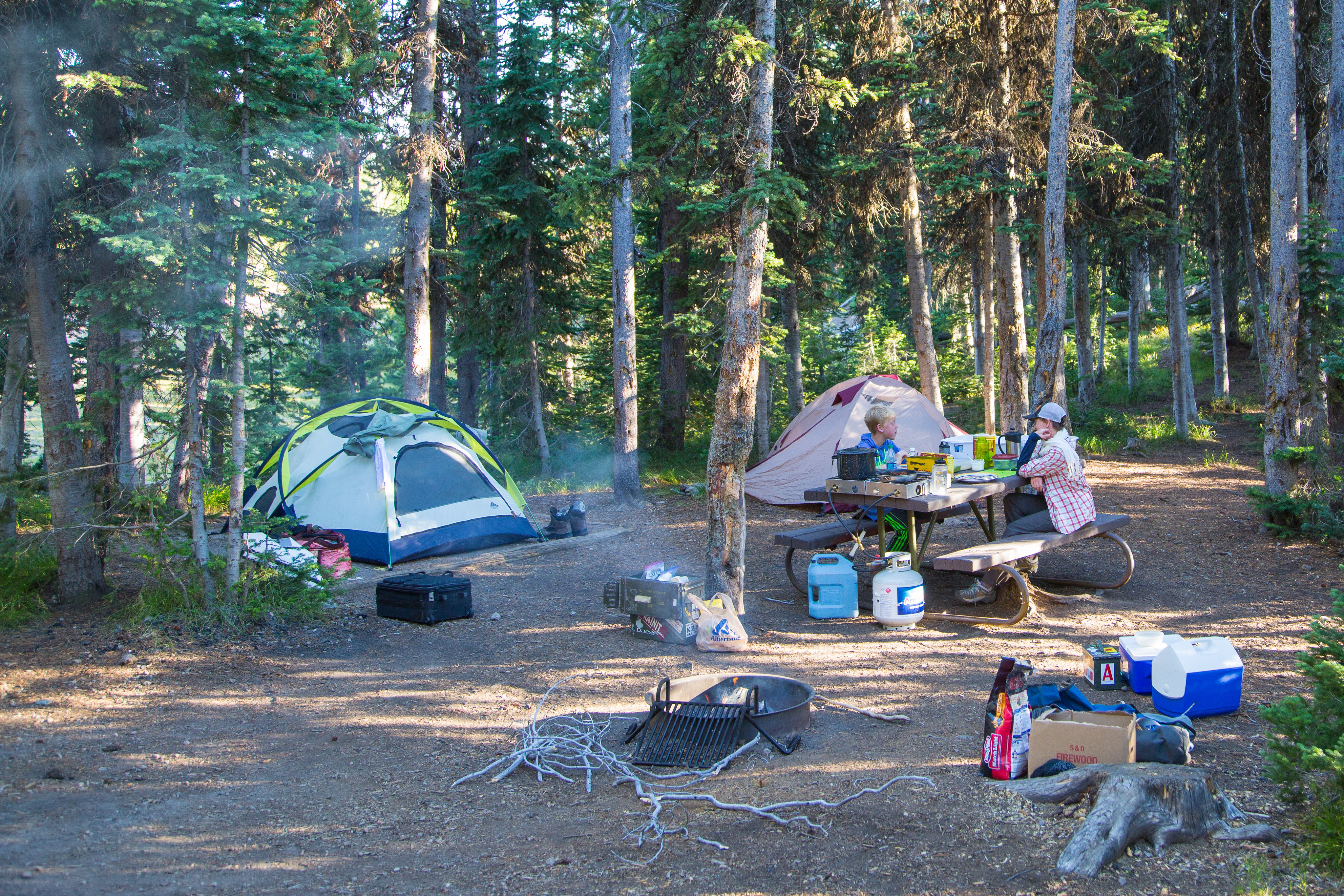
Image Source: www.nps.gov
Navigating Yellowstone Camping Locations
Yellowstone National Park is a vast wilderness, and choosing the right campground can greatly impact your experience. You have options within the park and just outside its boundaries, each offering a unique feel.
Inside Yellowstone National Park: A Campground Overview
Camping inside Yellowstone provides unparalleled access to its iconic geysers, wildlife, and hiking trails. Keep in mind that these campgrounds are extremely popular, requiring advanced Yellowstone camping reservations.
Developed Campgrounds
Developed campgrounds offer amenities such as restrooms, picnic tables, and fire grates. Some may even have potable water and RV hookups.
| Campground Name | Number of Sites | RV Length Limit | Reservations | Amenities |
|---|---|---|---|---|
| Bridge Bay Campground | 82 | 40 feet | Required | Restrooms, Water, Dump Station |
| Canyon Campground | 273 | 40 feet | Required | Restrooms, Showers, Water, Dump Station |
| Fishing Bridge RV Park | 340 | 40 feet | Required | Full Hookups, Restrooms, Showers |
| Grant Village Campground | 430 | 40 feet | Required | Restrooms, Showers, Water, Dump Station |
| Madison Campground | 278 | 40 feet | Required | Restrooms, Water, Dump Station |
| Norris Campground | 111 | 40 feet | Required | Restrooms, Water |
| Pebble Creek Campground | 32 | 30 feet | First-Come | Restrooms, Water |
| Slough Creek Campground | 23 | 30 feet | First-Come | Restrooms, Water |
| Tower Fall Campground | 31 | 30 feet | First-Come | Restrooms, Water |
| Indian Creek Campground | 75 | 35 feet | First-Come | Restrooms, Water |
| Lewis Lake Campground | 85 | 25 feet | First-Come | Restrooms, Water |
Key Considerations:
- Reservations: Required for Bridge Bay, Canyon, Fishing Bridge RV Park, Grant Village, Madison and Norris Campgrounds.
- First-Come, First-Served: Pebble Creek, Slough Creek, Tower Fall, Indian Creek, and Lewis Lake Campgrounds operate on a first-come, first-served basis. Arrive early to secure a site, especially during peak season.
- Amenities: Fishing Bridge RV Park is the only campground with full hookups (water, sewer, and electricity).
- Size Restrictions: Be aware of RV length limits.
Backcountry Camping
For a more immersive wilderness experience, consider Yellowstone backcountry camping. This involves hiking to designated campsites in the park’s interior. Yellowstone camping permits are mandatory for all backcountry camping and must be obtained in advance.
Camping Outside Yellowstone National Park
If you can’t secure a campsite inside the park or prefer more amenities, camping outside Yellowstone is a viable alternative. There are campgrounds and dispersed camping areas near each of Yellowstone’s five entrances.
Camping Near Yellowstone Entrance
- North Entrance (Gardiner, Montana): Offers campgrounds and dispersed camping in the Gallatin National Forest.
- Northeast Entrance (Cooke City, Montana): Similar to the North Entrance, with options in the Gallatin National Forest.
- East Entrance (Cody, Wyoming): Features campgrounds and dispersed camping in the Shoshone National Forest.
- South Entrance (Jackson, Wyoming): Has campgrounds in the Bridger-Teton National Forest.
- West Entrance (West Yellowstone, Montana): Many private campgrounds with full amenities, along with options in the Gallatin National Forest.
Securing Yellowstone Camping Reservations
Yellowstone camping reservations are essential, especially during the summer months. The booking window opens far in advance, and popular campgrounds fill up quickly.
Booking Process
Reservations for developed campgrounds inside Yellowstone are made through Recreation.gov.
- Create an Account: If you don’t already have one, create an account on Recreation.gov.
- Search for Campgrounds: Enter Yellowstone National Park as your location and select your desired dates.
- Filter Results: Refine your search by campground name, amenities, and RV length if needed.
- Check Availability: View the availability calendar to see which sites are open.
- Make a Reservation: Select your desired campsite and complete the reservation process.
Tips for Getting a Reservation
- Plan Ahead: Reservations can be made up to six months in advance. Mark your calendar and be ready to book as soon as the booking window opens.
- Be Flexible: If your preferred campground is full, consider alternative dates or campgrounds.
- Check for Cancellations: People often cancel their reservations, so check Recreation.gov regularly for openings.
- Consider Shoulder Season: Camping in the spring or fall can offer fewer crowds and better availability.
Yellowstone Camping Permits
Yellowstone camping permits are required for all backcountry camping. Permits can be obtained online through Recreation.gov or in person at a park visitor center.
Permit Regulations
- Advance Reservations: Backcountry permits can be reserved in advance for a fee.
- Walk-Up Permits: A limited number of walk-up permits are available on a first-come, first-served basis.
- Group Size Limits: There are limits on the number of people allowed in a backcountry camping group.
- Food Storage: All food and scented items must be stored in bear-resistant containers or hung from trees to prevent attracting wildlife.
Choosing the Best Campgrounds in Yellowstone
With so many options available, deciding on the best campground can be overwhelming. Here’s a breakdown of some top contenders based on different preferences:
For RVers
- Fishing Bridge RV Park: The only campground inside Yellowstone with full hookups, making it ideal for RVers who want all the comforts of home.
- Grant Village Campground: Offers a large number of sites and a convenient location near Yellowstone Lake.
For Families
- Madison Campground: Centrally located near many of Yellowstone’s most popular attractions, making it a great base for exploring with kids.
- Canyon Campground: Close to the Grand Canyon of the Yellowstone and offers a range of amenities.
For a Quiet Getaway
- Slough Creek Campground: Situated in a remote area of the park, offering a peaceful and secluded camping experience.
- Pebble Creek Campground: Located near the park’s northeast entrance, with easy access to wildlife viewing opportunities.
Campground Comparison Table
| Campground | Location | Best For | Notes |
|---|---|---|---|
| Fishing Bridge RV Park | Near Yellowstone Lake | RV Camping | Full hookups, close to amenities, requires reservations. |
| Madison Campground | Central Yellowstone | Families | Close to attractions, popular, requires reservations. |
| Slough Creek Campground | Northern Yellowstone | Quiet Getaway | Remote, good for wildlife viewing, first-come, first-served. |
| Canyon Campground | Near Grand Canyon | Families | Close to canyon trails, showers available, requires reservations. |
| Grant Village | Near Yellowstone Lake | RV Camping | Large campground, close to lake activities, requires reservations. |
Exploring Free Camping Near Yellowstone
Free camping near Yellowstone is possible in designated dispersed camping areas within the surrounding national forests. However, these areas typically lack amenities and require more self-sufficiency.
Dispersed Camping Guidelines
- Check Regulations: Contact the local national forest office to inquire about specific dispersed camping regulations.
- Leave No Trace: Pack out all trash, minimize campfire impacts, and respect wildlife.
- Water Sources: Water sources may be unreliable, so bring plenty of water or a way to purify it.
- Accessibility: Dispersed camping areas may be accessed by dirt roads that require a high-clearance vehicle.
National Forest Options
- Gallatin National Forest (North and West of Yellowstone): Offers numerous dispersed camping opportunities.
- Shoshone National Forest (East of Yellowstone): Another great option for free camping.
- Bridger-Teton National Forest (South of Yellowstone): Provides dispersed camping areas near the south entrance.
Responsible Camping Practices
Whether camping inside or outside Yellowstone, it’s essential to follow responsible camping practices to protect the environment and wildlife.
- Store Food Properly: Use bear-resistant containers or hang food from trees to prevent attracting bears.
- Dispose of Waste Properly: Pack out all trash and dispose of human waste in designated facilities or properly bury it.
- Stay on Trails: Avoid venturing off established trails to minimize erosion and protect vegetation.
- Respect Wildlife: Observe wildlife from a safe distance and never feed animals.
- Minimize Campfire Impacts: Use existing fire rings and gather firewood responsibly.
Family Camping Yellowstone: Tips for a Memorable Trip
Family camping in Yellowstone can be an unforgettable experience. With careful planning, you can ensure everyone has a safe and enjoyable trip.
Planning Tips
- Involve the Kids: Let children help with planning and packing to get them excited about the trip.
- Choose the Right Campground: Select a campground with amenities that suit your family’s needs, such as restrooms and nearby activities.
- Pack Appropriately: Pack layers of clothing, as the weather in Yellowstone can change quickly.
- Plan Activities: Have a variety of activities planned, such as hiking, wildlife viewing, and geyser gazing.
- Be Prepared for Crowds: Yellowstone is a popular destination, so expect crowds, especially during peak season.
Safety Tips
- Bear Safety: Teach children about bear safety and how to react if they encounter a bear.
- Wildlife Safety: Remind children to observe wildlife from a safe distance and never approach or feed animals.
- Weather Safety: Be aware of the weather forecast and be prepared for sudden changes in temperature and precipitation.
- Hiking Safety: Choose age-appropriate hikes and ensure everyone has proper footwear and plenty of water.
- Water Safety: Supervise children closely near water, as rivers and lakes can be dangerous.
Fun Activities for Kids
- Junior Ranger Program: Participate in the Junior Ranger program to learn about the park and earn a badge.
- Geyser Gazing: Visit Old Faithful and other geysers to witness their spectacular eruptions.
- Wildlife Viewing: Look for bison, elk, and other wildlife in their natural habitat.
- Hiking: Explore the park’s many hiking trails.
- Fishing: Go fishing in one of Yellowstone’s lakes or rivers (requires a fishing permit).
Yellowstone RV Camping: A Guide for Motorhome Enthusiasts
Yellowstone is a popular destination for RVers, but there are some things to consider when planning your trip.
RV-Friendly Campgrounds
- Fishing Bridge RV Park: As mentioned earlier, this is the only campground with full hookups.
- Grant Village Campground: Offers a large number of RV sites.
- Madison Campground: Another good option for RVs, with a convenient location.
RV Length Restrictions
Be aware of RV length restrictions at campgrounds inside Yellowstone. Most campgrounds have a maximum length of 40 feet.
Driving Tips
- Road Conditions: Roads in Yellowstone can be narrow and winding, so drive carefully.
- Altitude: Yellowstone is at a high altitude, which can affect your RV’s performance.
- Gas Stations: Gas stations are limited inside the park, so fill up before entering.
- Dump Stations: Dump stations are available at several campgrounds.
Essential RV Gear
- Leveling Blocks: To level your RV on uneven campsites.
- Wheel Chocks: To prevent your RV from rolling.
- Water Hose and Filter: To connect to water sources and ensure clean drinking water.
- Sewer Hose: To dispose of wastewater at dump stations.
- Generator: For providing electricity if you’re not staying at a campground with hookups.
Fathoming Yellowstone Backcountry Camping
Yellowstone backcountry camping offers a unique and rewarding experience, but it requires careful planning and preparation.
Essential Gear
- Tent: A lightweight and durable tent is essential for backcountry camping.
- Sleeping Bag: Choose a sleeping bag that is rated for the temperatures you expect to encounter.
- Sleeping Pad: A sleeping pad will provide insulation and comfort.
- Backpack: A comfortable and durable backpack is essential for carrying your gear.
- Cooking Gear: A lightweight stove and cookware are needed for preparing meals.
- Water Filter or Purifier: To ensure you have access to safe drinking water.
- Bear-Resistant Container: To store food and scented items.
- Navigation Tools: A map, compass, and GPS are essential for navigating in the backcountry.
- First-Aid Kit: A well-stocked first-aid kit is essential for treating injuries.
Safety Precautions
- Bear Safety: Be aware of bear safety guidelines and carry bear spray.
- Weather Safety: Be prepared for sudden changes in weather.
- Navigation Safety: Stay on marked trails and use a map and compass to navigate.
- Water Safety: Avoid drinking untreated water and be aware of the dangers of crossing rivers.
- Altitude Sickness: Be aware of the symptoms of altitude sickness and take steps to prevent it.
Leave No Trace Principles
- Pack It In, Pack It Out: Pack out all trash and waste.
- Minimize Campfire Impacts: Use existing fire rings and gather firewood responsibly.
- Stay on Trails: Avoid venturing off established trails.
- Respect Wildlife: Observe wildlife from a safe distance and never feed animals.
- Dispose of Waste Properly: Bury human waste in a cathole at least 200 feet from water sources.
Frequently Asked Questions (FAQ)
-
What is the best time to camp in Yellowstone?
The best time to camp in Yellowstone is during the summer months (June-August) when the weather is warm and all campgrounds are open. However, this is also the busiest time of year. Consider camping in the spring or fall for fewer crowds and milder temperatures.
* Can I have a campfire in Yellowstone?Campfires are permitted in designated fire rings at most campgrounds. However, fire restrictions may be in place during dry conditions. Check with the park for current fire restrictions before your trip.
* Are pets allowed in Yellowstone campgrounds?Pets are allowed in Yellowstone campgrounds, but they must be kept on a leash at all times. Pets are not allowed on trails or in the backcountry.
* Do I need bear spray when camping in Yellowstone?Bear spray is highly recommended when camping in Yellowstone, especially in the backcountry. Learn how to use bear spray properly before your trip.
* How far in advance can I make Yellowstone camping reservations?Reservations for developed campgrounds inside Yellowstone can be made up to six months in advance.
* Where can I find camping outside Yellowstone National Park?Camping outside Yellowstone National Park can be found in Gallatin National Forest (North and West), Shoshone National Forest (East), and Bridger-Teton National Forest (South), as well as private campgrounds in gateway towns like West Yellowstone, Gardiner, and Cody.
* Are there showers at the campgrounds in Yellowstone?Showers are available at Canyon, Fishing Bridge RV Park, and Grant Village Campgrounds.
* Can I camp anywhere in Yellowstone?No, you can only camp in designated campgrounds or with a backcountry permit in designated backcountry campsites.
* What is the cost of camping in Yellowstone National Park?The cost of camping in Yellowstone National Park varies depending on the campground and amenities offered, typically ranging from $20 to $90 per night. Backcountry camping requires a permit fee.
* Are there any stores near the Yellowstone campgrounds?Yes, there are stores located within Yellowstone National Park near major campgrounds like Grant Village, Canyon Village, and Old Faithful, offering groceries, camping supplies, and souvenirs. Gateway towns like West Yellowstone, Gardiner, and Cody also provide a range of shopping options.
Melody Smith is a passionate writer, outdoor enthusiast, and camping expert based in the Seattle Metropolitan Area. With a deep love for nature and adventure, she shares her personal experiences, tips, and insights on MyCampingPro.com. A seasoned camper and traveler, Melody combines her creative background in design and writing with her love for the great outdoors, offering practical advice and inspiring stories to help others make the most of their outdoor experiences. When she’s not exploring the wilderness, you can find her painting, collecting vintage treasures, or diving into a good book.