
Can you shower while camping? Yes, you absolutely can! Showering outdoors is possible through several methods, from simple DIY setups to sophisticated portable systems. Maintaining wilderness hygiene is important for your comfort and health while enjoying the great outdoors. Here’s your comprehensive guide on how to stay clean camping.
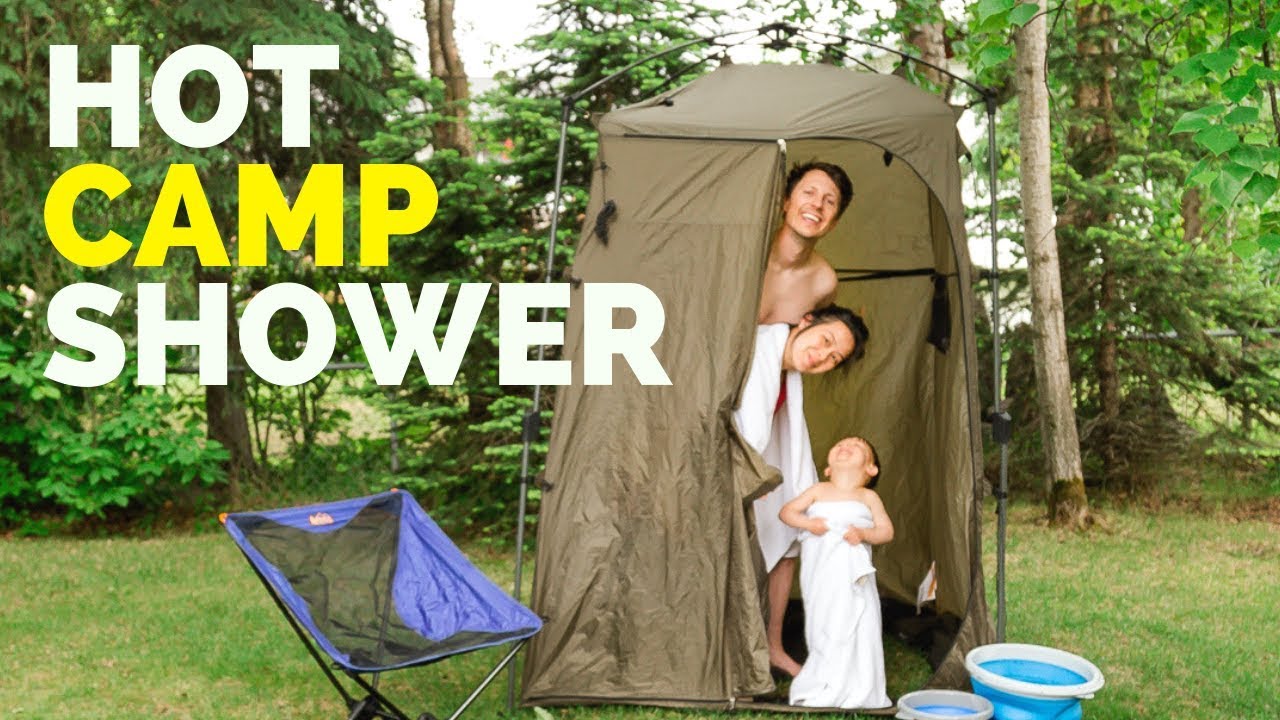
Image Source: i.ytimg.com
Why Bother Showering Outdoors?
Showering outdoors while camping isn’t just about feeling fresh. It’s vital for several reasons:
- Hygiene: Removing dirt, sweat, and grime reduces the risk of skin irritation and infections. Good camping hygiene essentials prevent bacteria buildup.
- Comfort: Feeling clean boosts morale, especially during longer trips.
- Sleep Quality: Washing away the day’s sweat and dirt can help you sleep better in your tent.
- Reducing Odor: Minimizing body odor helps keep animals away from your campsite.
Types of Camping Showers
There are several types of portable camping shower options to consider:
Solar Shower Camping
Solar showers are simple, inexpensive, and eco-friendly. They consist of a black bag that absorbs sunlight to heat the water inside.
- Pros: Lightweight, affordable, easy to use.
- Cons: Relies on sunshine, limited water pressure, can be difficult to find a suitable hanging spot.
How to Use a Solar Shower:
- Fill the bag with water.
- Place it in direct sunlight for several hours.
- Hang it from a tree branch or other elevated point.
- Use the nozzle to control the water flow.
Portable Camping Shower
These showers use a pump to draw water from a container and deliver it through a showerhead. They are often battery-powered or foot-powered.
- Pros: Consistent water pressure, can be used anywhere, works even without sunlight.
- Cons: Can be bulky and require batteries or manual pumping.
Types of Portable Camping Showers:
- Battery-Powered Showers: Submersible pumps that draw water from a bucket.
- Hand-Pump Showers: You manually pump to pressurize the water.
- Foot-Pump Showers: Use a foot pump to create water pressure.
Pressurized Camping Shower
These systems use a pressure tank to store water and deliver it through a showerhead.
- Pros: Excellent water pressure, longer shower times.
- Cons: Heavier and more expensive than other options.
Examples:
- Road Shower: Mounts to your vehicle’s roof rack.
- Portable Pressure Washers: Can be adapted for showering with a showerhead attachment.
DIY Camping Shower
Creating your own shower can be a fun and cost-effective solution.
- Pros: Inexpensive, customizable.
- Cons: Requires some assembly, may not have the best water pressure.
DIY Shower Ideas:
- Gravity-Fed Shower: A water jug with a spigot or showerhead attached.
- Bucket and Cup: Simply pour water over yourself using a cup.
Essential Gear for Showering Outdoors
Besides the shower itself, you’ll need a few other items:
- Biodegradable Soap: Environmentally friendly soap that breaks down easily.
- Towel: A quick-drying microfiber towel is ideal for camping.
- Washcloth or Sponge: For scrubbing.
- Water Container: A bucket, jug, or collapsible container to hold water.
- Privacy Shelter: A pop-up tent or screen to shower modestly.
- Ground Mat: To stand on while showering and keep your feet clean.
- Water Source: A lake, stream, or water tank.
Step-by-Step Guide to Showering Outdoors
Here’s how to take a shower while camping:
- Choose a Location: Select a spot at least 200 feet (60 meters) away from any water source to prevent contamination.
- Set Up Your Shower: Assemble your chosen shower system and privacy shelter.
- Heat the Water: If using a solar shower, allow the water to heat up in the sun. For other systems, heat water on a camping stove if desired.
- Prepare Your Supplies: Gather your soap, towel, washcloth, and any other needed items.
- Test the Water Temperature: Ensure the water isn’t too hot or cold.
- Wet Your Body: Start by wetting your hair and body.
- Lather Up: Apply biodegradable soap to your washcloth and scrub yourself clean.
- Rinse Thoroughly: Rinse off all the soap with clean water.
- Dry Off: Use your towel to dry your body.
- Dispose of Wastewater Properly: Scatter the used water over a wide area, away from campsites and water sources.
Camping Shower Tips for a Better Experience
- Shower Early or Late: Avoid showering during peak daylight hours to minimize sun exposure and conserve water.
- Conserve Water: Turn off the water while soaping up.
- Use a Timer: Limit your shower time to conserve water.
- Consider a Buddy System: Have a friend watch out for you while you shower.
- Leave No Trace: Pack out everything you pack in and minimize your impact on the environment.
- Check the Weather: Be mindful of the weather conditions. Showers are less pleasant in cold or windy weather.
- Pre-Moisten Washcloths: Prepare washcloths with soap beforehand for quick clean-ups.
- Bring a Small Mirror: Useful for shaving or other grooming tasks.
Camping Shower Alternatives: Staying Clean Without a Full Shower
If a full shower isn’t feasible, here are some camping shower alternatives:
- Sponge Bath: Use a wet washcloth and soap to clean your body. This uses very little water.
- Body Wipes: Pre-moistened wipes designed for cleaning the body.
- Dry Shampoo: Absorbs oil and dirt from your hair.
- Foot Soak: Soak your feet in a basin of water to remove dirt and odor.
- Stream Bath: Use a clean stream or river to rinse off (check local regulations first).
- Camp Towel Bath: Wet a camp towel and use it to wipe down your body.
Camping Hygiene Essentials Checklist
- Biodegradable soap
- Quick-drying towel
- Washcloth or sponge
- Water container
- Portable shower or solar shower
- Privacy shelter
- Ground mat
- Toilet paper
- Hand sanitizer
- Toothbrush and toothpaste
- Sunscreen
- Insect repellent
- First-aid kit
Dealing with Wastewater
Properly disposing of wastewater is crucial to prevent contamination.
- Dig a sump hole: Dig a shallow hole (6-8 inches deep) at least 200 feet away from water sources and campsites. Pour the wastewater into the hole and cover it with soil.
- Scatter the water: If a sump hole isn’t practical, scatter the water thinly over a wide area.
- Use a strainer: Place a strainer over the sump hole to catch any solid particles.
- Avoid disposing of wastewater near plants: Some soaps can harm vegetation.
Fathoming the Environmental Impact
When showering outdoors, it’s vital to minimize your impact on the environment.
- Use biodegradable soap: Regular soap can harm aquatic life and contaminate water sources.
- Avoid showering directly in water sources: This can pollute the water.
- Dispose of wastewater properly: Prevent contamination of soil and water.
- Pack out all trash: Leave no trace of your presence.
- Follow local regulations: Be aware of any restrictions on water usage or waste disposal.
Comparing Different Camping Shower Options
Here’s a comparison table to help you choose the right camping shower:
| Shower Type | Cost | Water Pressure | Portability | Ease of Use | Best For |
|---|---|---|---|---|---|
| Solar Shower | Low | Low | High | High | Short trips, sunny weather |
| Battery-Powered Shower | Medium | Medium | Medium | High | Versatile use, consistent pressure |
| Hand-Pump Shower | Medium | Medium | Medium | Medium | Off-grid locations |
| Pressurized Shower | High | High | Low | Medium | Car camping, longer showers |
| DIY Shower | Very Low | Low | High | Low | Budget travelers, minimalist camping |
Showers for Different Camping Scenarios
The best shower option depends on your camping style:
- Backpacking: Solar showers or sponge baths are lightweight and practical.
- Car Camping: Pressurized showers or battery-powered showers offer more convenience and water pressure.
- RV Camping: Many RVs have built-in showers, but portable options can be useful for rinsing off outdoors.
- Glamping: Some glamping sites provide shower facilities, but it’s always good to have a backup plan.
Showering Outdoors in Cold Weather
Showering outdoors in cold weather requires extra planning:
- Heat the water: Heat water on a camping stove or fire before showering.
- Shower quickly: Minimize your exposure to the cold.
- Shower in a sheltered area: A tent or tarp can block the wind.
- Dry off immediately: Use a warm towel and dress quickly.
- Consider a warm drink: A hot beverage can help you warm up after showering.
Frequently Asked Questions (FAQ)
-
What is the best biodegradable soap for camping?
Popular options include Dr. Bronner’s, Campsuds, and Sea to Summit Wilderness Wash. -
Can I use regular soap while camping?
It’s not recommended. Regular soap can harm the environment. Always use biodegradable soap. -
How do I heat water for a camping shower?
You can use a camping stove, a solar shower bag, or a campfire. -
Where can I shower while camping if I don’t have my own setup?
Some campgrounds have shower facilities. You can also look for public showers in nearby towns. -
How do I dispose of gray water while camping?
Dispose of gray water by scattering it far from water sources and campsites, or by digging a sump hole. -
What are some camping hygiene tips?
Wash your hands often, use hand sanitizer, brush your teeth, and keep your campsite clean. -
Is it safe to shower in a lake or river?
It depends on the water quality and local regulations. Check for any advisories or restrictions before showering in natural water sources. Using a bucket and pouring water over yourself away from the water source is generally a better practice. -
What is a good privacy shelter for camping showers?
Pop-up shower tents or portable screens are good options. You can also hang a tarp between trees. -
How do I choose the right size solar shower?
Consider how many people will be using the shower and how much water you need for each shower. A 5-gallon shower is usually sufficient for one or two people. -
What are some ways to conserve water while camping?
Take shorter showers, turn off the water while soaping up, and use a water-saving showerhead.
By following these tips and using the right gear, you can enjoy the refreshing experience of showering outdoors while camping and maintain good wilderness hygiene.

Melody Smith is a passionate writer, outdoor enthusiast, and camping expert based in the Seattle Metropolitan Area. With a deep love for nature and adventure, she shares her personal experiences, tips, and insights on MyCampingPro.com. A seasoned camper and traveler, Melody combines her creative background in design and writing with her love for the great outdoors, offering practical advice and inspiring stories to help others make the most of their outdoor experiences. When she’s not exploring the wilderness, you can find her painting, collecting vintage treasures, or diving into a good book.