
Can I shower while camping? Yes, you can! Maintaining good camping hygiene is crucial for comfort and health on any outdoor adventure. This guide explores various camp shower options and wilderness showering tips, ensuring you stay clean and refreshed, no matter where your adventures take you. From backcountry showers to DIY solutions, we’ll cover everything you need to know about showering outdoors.
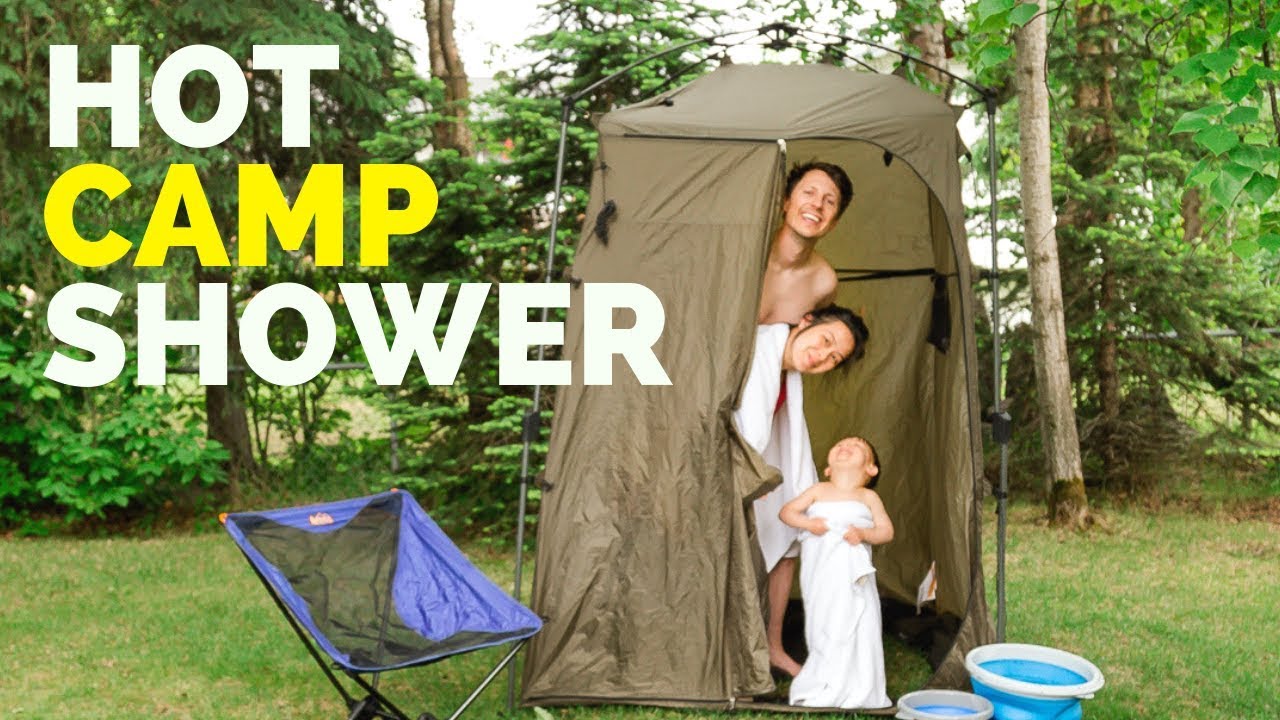
Image Source: i.ytimg.com
Choosing Your Ideal Camp Shower Option
Selecting the right camp shower depends on several factors, including the length of your trip, the availability of water, your budget, and your tolerance for roughing it. Let’s explore the most popular camp shower options available.
Portable Camping Showers: Convenience in a Bag
Portable camping showers are a popular choice for their ease of use and compact design. These showers typically consist of a water reservoir, a hose, and a showerhead.
- Gravity-Fed Showers: These showers rely on gravity to provide water pressure. You simply fill the bag, hang it from a tree, and let gravity do its work.
- Pump Showers: These showers use a hand or foot pump to create water pressure, offering more control over the water flow.
- Battery-Powered Showers: These showers use a small submersible pump powered by batteries to deliver a consistent stream of water.
Pros:
- Easy to set up and use
- Relatively inexpensive
- Portable and lightweight
Cons:
- Limited water capacity
- Water pressure may be inconsistent
- Battery-powered models require batteries
Example: A gravity-fed shower bag is ideal for short trips where convenience is a priority.
Solar Shower Camping: Harnessing the Sun’s Power
A solar shower camping system is a type of portable shower that heats water using solar energy. These showers usually consist of a dark-colored bag that absorbs sunlight and warms the water inside.
How They Work: You fill the bag with water and leave it in direct sunlight for a few hours. The dark material absorbs heat, warming the water. Some models have a temperature gauge, so you know when the water is ready.
Pros:
- Eco-friendly and energy-efficient
- No need for batteries or external power
- Simple to use
Cons:
- Dependent on sunlight
- Water temperature can be unpredictable
- May not be suitable for cold weather
Example: Using a solar shower is great for sunny locations where you can leave it out to heat up during the day.
DIY Camping Shower: The Budget-Friendly Approach
If you’re on a tight budget or enjoy a good DIY project, creating your own camping shower is a great option. A simple DIY camping shower can be made with readily available materials.
Simple Bucket Shower:
- Take a bucket and poke small holes in the bottom.
- Fill the bucket with water.
- Hang the bucket from a tree or sturdy support.
- Stand underneath and enjoy the shower.
Upgraded DIY Shower:
- Get a garden sprayer.
- Fill it with water.
- Pump it to create pressure.
- Use the sprayer nozzle as a showerhead.
Pros:
- Extremely affordable
- Customizable to your needs
- Uses readily available materials
Cons:
- May require some effort to set up
- Water pressure may be limited
- Durability may be a concern
Example: A DIY shower can be the best solution for those who like to customize and reuse materials.
Camp Shower Alternatives: When a Full Shower Isn’t Possible
Sometimes, a full shower isn’t practical or possible. In these situations, consider these camp shower alternatives to maintain hygiene.
- Sponge Baths: Using a wet cloth or sponge to clean your body is a quick and easy way to freshen up.
- Body Wipes: Pre-moistened body wipes are convenient for removing dirt and sweat. Choose biodegradable wipes to minimize environmental impact.
- Dry Shampoo: Dry shampoo can help absorb oil and refresh your hair without water.
- Foot Baths: Soaking your feet in a bucket of water can help relieve fatigue and prevent foot odor.
Pros:
- Requires minimal water
- Quick and easy
- Portable and convenient
Cons:
- Doesn’t provide a thorough cleaning
- May not be suitable for removing heavy dirt or grime
- Can be wasteful if wipes are not biodegradable
Example: Body wipes are perfect for a quick refresh after a long hike when water is scarce.
Considerations for Choosing a Camp Shower
Before deciding on a camp shower, weigh these factors to ensure it fits your camping style and needs.
Water Source and Availability
- Proximity to Water: If you’re camping near a stream or lake, you can easily refill your shower.
- Water Conservation: In dry areas, prioritize water-saving options like sponge baths.
- Water Purification: Always purify water from natural sources before using it for showering.
Trip Length and Frequency of Showers
- Short Trips: Portable showers or alternatives may suffice for a weekend trip.
- Longer Trips: Consider more robust systems like solar showers or DIY setups.
- Shower Frequency: Plan how often you want to shower and choose a shower that can handle that frequency.
Budget
- DIY Options: The most affordable option is a DIY shower.
- Portable Showers: Offer a balance between cost and convenience.
- High-End Systems: May include features like built-in heaters or pressurized water.
Portability and Storage
- Weight and Size: If you’re backpacking, choose lightweight and compact options.
- Ease of Setup: Consider how easy the shower is to set up and take down.
- Storage Space: Ensure you have enough space in your gear to store the shower when not in use.
Step-by-Step: Setting Up Your Camp Shower
Setting up your camp shower correctly will enhance your showering experience and ensure you’re not wasting precious water.
Finding the Right Location
- Privacy: Choose a secluded spot away from other campsites and trails.
- Sunlight: If using a solar shower, ensure the location receives direct sunlight.
- Drainage: Pick a spot where water can drain easily without causing erosion or damage to vegetation.
- Stability: Ensure the area is flat and stable to prevent accidents.
Setting Up Your Shower
- Clear the Area: Remove any rocks, branches, or debris from the shower area.
- Hang the Shower: Securely hang your shower bag from a sturdy tree branch or use a portable shower stand.
- Fill the Shower: Fill the shower bag with water. If using a solar shower, allow the water to heat up in the sun.
- Test the Water: Before showering, test the water temperature to avoid burns.
Showering Responsibly
- Conserve Water: Use short bursts of water and turn off the shower while soaping up.
- Use Biodegradable Soap: Opt for biodegradable soap to minimize environmental impact.
- Dispose of Water Properly: Avoid showering directly in streams or lakes. Dispose of soapy water at least 200 feet away from water sources.
- Leave No Trace: Pack out any trash and leave the area as you found it.
Advanced Showering Outdoors Strategies
For those looking to elevate their camping shower experience, here are some advanced strategies.
Heating Water
- Solar Heating: The simplest method is to use a solar shower bag.
- Camp Stove: Heat water on a camp stove and pour it into your shower bag. Be careful not to overheat the water.
- Portable Water Heaters: Invest in a portable water heater for instant hot water.
Improving Water Pressure
- Pump Showers: Use a pump shower for consistent water pressure.
- Gravity Enhancement: Hang your shower bag as high as possible to increase water pressure.
- Pressurized Sprayers: Use a garden sprayer for a pressurized shower experience.
Building a Shower Enclosure
- Privacy Tent: Use a pop-up privacy tent for a more private showering experience.
- DIY Enclosure: Create a simple enclosure using tarps and ropes.
- Natural Barriers: Utilize natural features like trees and bushes for privacy.
Essential Gear for Showering Outdoors
Having the right gear can make showering outdoors more comfortable and convenient.
| Item | Description |
|---|---|
| Portable Camping Shower | A bag or container with a hose and showerhead for dispensing water. |
| Biodegradable Soap | Soap that breaks down naturally without harming the environment. |
| Quick-Dry Towel | A lightweight and absorbent towel that dries quickly. |
| Shower Caddy | A container to hold your soap, shampoo, and other toiletries. |
| Water Filter/Purifier | To ensure your water is safe and clean for showering. |
| Privacy Shelter | A tent or enclosure for privacy while showering. |
| Camp Shoes | Waterproof or quick-drying shoes to wear while showering. |
| Trash Bags | To collect and dispose of any trash. |
Maintaining Hygiene While Camping: More Than Just Showers
Good hygiene while camping extends beyond just showering. Here are some additional tips to stay clean and healthy.
Hand Hygiene
- Wash Hands Frequently: Wash your hands with soap and water before meals, after using the restroom, and after handling garbage.
- Use Hand Sanitizer: When soap and water aren’t available, use hand sanitizer with at least 60% alcohol.
Oral Hygiene
- Brush Your Teeth: Brush your teeth at least twice a day.
- Use Mouthwash: Use mouthwash to kill bacteria and freshen your breath.
Food Safety
- Store Food Properly: Store food in airtight containers to prevent contamination.
- Cook Food Thoroughly: Cook food to the proper internal temperature to kill bacteria.
- Clean Cooking Utensils: Clean cooking utensils with soap and water after each use.
Waste Disposal
- Pack It In, Pack It Out: Pack out all trash, including food scraps and packaging.
- Dispose of Human Waste Properly: Use designated restroom facilities or dig a cat hole at least 200 feet away from water sources.
Safety First: Showering Outdoors Precautions
Taking precautions ensures a safe and enjoyable outdoor showering experience.
Water Temperature
- Test the Water: Always test the water temperature before showering to avoid burns.
- Avoid Extremes: Avoid showering with extremely hot or cold water.
Privacy
- Choose a Secluded Location: Shower in a secluded area away from other campers and trails.
- Use a Privacy Shelter: Use a privacy shelter or enclosure for added privacy.
Environmental Impact
- Use Biodegradable Soap: Opt for biodegradable soap to minimize environmental impact.
- Dispose of Water Properly: Avoid showering directly in streams or lakes. Dispose of soapy water at least 200 feet away from water sources.
- Leave No Trace: Pack out all trash and leave the area as you found it.
Wildlife Awareness
- Be Aware of Your Surroundings: Be aware of your surroundings and watch out for wildlife.
- Store Food Properly: Store food in airtight containers to avoid attracting animals.
- Make Noise: Make noise while showering to avoid surprising wildlife.
Fathoming the Environmental Impact
Choosing eco-friendly options is vital for preserving the environment.
Biodegradable Soaps and Shampoos
- Choose Wisely: Look for products labeled “biodegradable” and “environmentally friendly.”
- Ingredients Matter: Avoid products with harsh chemicals that can harm ecosystems.
- Proper Disposal: Even with biodegradable products, dispose of water responsibly away from water sources.
Water Conservation Techniques
- Short Bursts: Use water in short bursts rather than continuous streams.
- Turn Off the Tap: Turn off the water while soaping or shampooing.
- Multi-Use Water: Consider using leftover cooking water for rinsing (if appropriate).
Leave No Trace Principles
- Pack Out Everything: Carry out all trash and waste.
- Minimize Impact: Stay on durable surfaces and avoid disturbing vegetation.
- Respect Wildlife: Observe wildlife from a distance and avoid feeding them.
Frequently Asked Questions (FAQ)
What is the best type of soap to use for camping showers?
The best type of soap is biodegradable soap, which breaks down naturally and minimizes environmental impact.
Can I use regular shampoo in a camping shower?
It’s best to use biodegradable shampoo to avoid harming the environment.
How can I heat water for a camping shower without a stove?
You can use a solar shower bag to heat water using sunlight.
Is it safe to shower in a lake or stream?
It’s generally not recommended to shower directly in natural water sources to avoid contamination. Use a portable shower and dispose of the water properly.
How far away from water sources should I dispose of soapy water?
Dispose of soapy water at least 200 feet away from water sources.
What are some alternatives to showering while camping?
Alternatives include sponge baths, body wipes, dry shampoo, and foot baths.
How can I ensure privacy while showering outdoors?
Use a privacy tent or choose a secluded location away from other campers and trails.
How much water do I need for a camping shower?
Plan for about 2-3 gallons of water per person for a quick shower.
How do I choose the right portable camping shower for my needs?
Consider your budget, trip length, water availability, and portability requirements when choosing a portable camping shower.

Melody Smith is a passionate writer, outdoor enthusiast, and camping expert based in the Seattle Metropolitan Area. With a deep love for nature and adventure, she shares her personal experiences, tips, and insights on MyCampingPro.com. A seasoned camper and traveler, Melody combines her creative background in design and writing with her love for the great outdoors, offering practical advice and inspiring stories to help others make the most of their outdoor experiences. When she’s not exploring the wilderness, you can find her painting, collecting vintage treasures, or diving into a good book.