
What is the average cost of RV camping? RV camping costs vary greatly depending on factors like location, time of year, type of campground, and your RV’s needs. You can expect to pay anywhere from $0 for free camping to over $100 per night at luxury RV resorts. This article dives deep into the factors that determine RV camping prices so you can create a realistic RV camping budget.
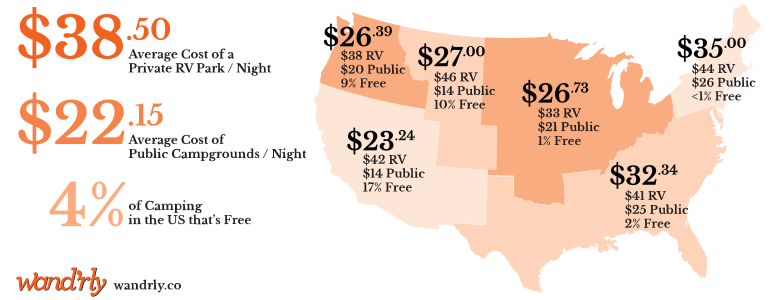
Image Source: wandrlymagazine.com
Deciphering the Variables: RV Camping Cost Breakdown
Calculating the true cost of RV camping requires more than just looking at the nightly RV campground fees. Several elements come into play, each impacting your overall expenses. Let’s examine them.
Campground Fees: The Main Expense
RV park rates are a major part of your budget. They can vary widely depending on the location, amenities, and time of year.
- Basic Campground: These often offer just the essentials – a place to park, possibly water hookups, and maybe a dump station. Expect to pay $20-$40 per night.
- Standard Campground: These usually include electric hookups, water, and sometimes sewer. You might also find amenities like restrooms, showers, and a playground. Prices range from $30-$60 per night.
- Luxury RV Resort: These offer all the bells and whistles, like full hookups, cable TV, Wi-Fi, swimming pools, hot tubs, clubhouses, and organized activities. Be prepared to spend $70-$150+ per night.
Location, Location, Location!
Where you camp significantly impacts RV camping prices. Popular destinations and tourist hotspots generally have higher rates than less-visited areas. Camping near national parks, beaches, or major cities tends to be more expensive. Rural areas, state parks, and national forests frequently offer more affordable RV camping options.
Seasonality: Timing is Everything
Demand drives up prices, so camping during peak seasons (summer, holidays, and school breaks) will cost more. RV campground fees are usually lower during the off-season (spring and fall) or during the week. Camping during the winter in warm climates like Florida, Arizona or Southern California can also be more expensive due to snowbirds seeking refuge.
Hookups: Essential or Optional?
Hookups provide water, electricity, and sewer connections for your RV. Full hookups (water, electric, and sewer) are the most convenient but also the most expensive. Partial hookups (water and electric) are a good compromise, while dry camping (no hookups) is the cheapest, but requires more planning and resources.
Length of Stay: Daily vs. Weekly vs. Monthly
Many campgrounds offer discounts for longer stays. Weekly or monthly rates can significantly reduce your average RV camping cost per night. If you plan to stay in one location for an extended period, inquire about these discounts. Long term RV camping costs can be much lower than the equivalent cost of nightly stays.
Extra Perks: Amenities and Activities
Campgrounds often charge extra for amenities like Wi-Fi, laundry facilities, firewood, and access to recreational activities. Consider which of these are essential for you and factor those costs into your budget.
Fuel Costs: Getting There is Half the Battle
Don’t forget to factor in the cost of fuel for your RV. Fuel consumption varies depending on the type of RV, driving conditions, and fuel prices. Plan your route and estimate fuel costs to avoid unpleasant surprises. Apps like GasBuddy can help you find the cheapest gas prices along your route.
Food and Supplies: Eating on the Road
Food is a significant part of your RV camping budget. You can save money by cooking your own meals instead of eating out. Stock up on groceries before your trip and plan your meals in advance. Don’t forget to factor in the cost of water, propane, and other essential supplies.
Maintenance and Repairs: Expect the Unexpected
RVs require regular maintenance, and unexpected repairs can happen. Set aside a portion of your budget for these expenses. Regular maintenance can help prevent costly repairs down the road. Consider purchasing an RV extended warranty to protect yourself from major repair bills.
Insurance and Registration: Legal Requirements
RV insurance and registration are mandatory expenses. Insurance costs vary depending on the type of RV, coverage level, and your driving record. Registration fees vary by state.
Calculating Your RV Camping Budget
To create a realistic RV camping budget, follow these steps:
- Estimate Campground Fees: Research RV park rates in the areas you plan to visit. Consider the type of campground, amenities, and time of year.
- Calculate Fuel Costs: Plan your route and estimate fuel consumption. Use online tools to calculate fuel costs based on current gas prices.
- Estimate Food and Supply Costs: Plan your meals and stock up on groceries. Factor in the cost of water, propane, and other essential supplies.
- Estimate Maintenance and Repair Costs: Set aside a portion of your budget for regular maintenance and unexpected repairs.
- Factor in Insurance and Registration: Calculate the cost of RV insurance and registration fees.
- Add a Buffer: It’s always a good idea to add a buffer to your budget to cover unexpected expenses.
Finding Affordable RV Camping Options
How can you save money on RV camping? Here are some tips:
Free RV Camping: Boondocking and Dispersed Camping
Free RV camping locations can drastically reduce your expenses. Boondocking (camping without hookups on public land) is a popular option.
- National Forests: Many national forests allow dispersed camping (camping outside of designated campgrounds) for free. Check with the local forest service for regulations and restrictions.
- Bureau of Land Management (BLM) Land: The BLM manages millions of acres of public land, much of which is open to free camping.
- Harvest Hosts: This membership program allows RVers to stay overnight at wineries, breweries, farms, and other unique locations for free (with the expectation of purchasing something from the host).
- Boondockers Welcome: Similar to Harvest Hosts, this program connects RVers with private landowners who offer free overnight stays on their property.
- Walmart and Truck Stops: Many Walmart stores and truck stops allow RVs to park overnight for free (check with the store manager first).
State Parks and County Parks: Budget-Friendly Alternatives
State parks and county parks often offer more affordable camping options than private campgrounds. They typically have basic amenities like restrooms, showers, and picnic areas.
Workamping: Trading Work for Camping
Workamping involves working at a campground, RV park, or other business in exchange for free or discounted camping. This can be a great way to save money and experience new places.
Off-Season Camping: Avoiding the Crowds and High Prices
Camping during the off-season can save you money and allow you to avoid the crowds. RV campground fees are usually lower during the spring and fall.
Campground Memberships and Discount Cards: Saving on Every Stay
Several campground memberships and discount cards can help you save money on RV camping prices.
- Passport America: Offers 50% discounts at participating campgrounds.
- Good Sam Club: Provides discounts on camping, fuel, and RV supplies.
- Escapees RV Club: Offers discounts on camping, mail forwarding, and other services.
RV Camping Cost vs Hotels: A Comparison
Is RV camping cheaper than staying in hotels? It depends. While the initial investment in an RV can be significant, the cost of RV camping can be lower than the cost of staying in hotels, especially for longer trips.
Here’s a comparison:
| Expense | RV Camping | Hotels |
|---|---|---|
| Accommodation | Campground fees ($0-$150+ per night) | Hotel room ($100-$300+ per night) |
| Food | Groceries and cooking | Eating out |
| Transportation | Fuel, maintenance, insurance | Rental car, taxis, public transportation |
| Amenities | Included in campground fees or extra | Included in hotel room or extra |
| Flexibility | High | Low |
| Initial Investment | High (RV purchase) | Low |
For a short trip, staying in hotels may be cheaper. However, for longer trips, the average RV camping cost per night can be lower than the cost of a hotel room, especially if you take advantage of affordable RV camping options like free camping or campground memberships. Plus, you save money on eating out by cooking your own meals. The flexibility of having your own home on wheels is also a significant advantage.
Sample RV Camping Budgets
Here are a few sample RV camping budgets to give you an idea of what you can expect to spend:
Budget Option (Boondocking):
- Campground Fees: $0 (free camping)
- Fuel: $50 per day
- Food: $30 per day
- Supplies: $10 per day
- Maintenance: $10 per day (estimated)
- Total: $100 per day
Mid-Range Option (Standard Campground):
- Campground Fees: $40 per night
- Fuel: $50 per day
- Food: $40 per day
- Supplies: $10 per day
- Maintenance: $10 per day (estimated)
- Total: $150 per day
Luxury Option (RV Resort):
- Campground Fees: $100 per night
- Fuel: $50 per day
- Food: $50 per day
- Supplies: $20 per day
- Maintenance: $10 per day (estimated)
- Total: $230 per day
These are just estimates, and your actual expenses may vary depending on your individual circumstances.
Grasping Long Term RV Camping Costs
What are the cost considerations for longer trips? Long term RV camping costs require careful thought. The daily averages can be misleading if you don’t factor in aspects that become more relevant over extended periods.
- Campground Memberships: The investment in memberships like Thousand Trails or Coast to Coast can pay off significantly over months of travel.
- Maintenance Frequency: Longer trips mean more wear and tear. Budget more proactively for tires, oil changes, and appliance maintenance.
- Mail Forwarding: Establishing a reliable mail forwarding service becomes essential. These services charge monthly fees, which should be included.
- Health Insurance: If traveling full-time, ensure adequate health insurance coverage that works across state lines.
- Unexpected Repairs: The likelihood of needing RV repairs increases over time. A dedicated emergency fund is essential.
- Storage Costs: If you own a home base, factor in costs for storage, security, and maintenance while you’re away.
- Income Considerations: For full-time RVers, a steady income stream is vital. Account for potential fluctuations in your work or business.
Table: Comparing Short-Term vs. Long-Term RV Camping Costs
| Expense Category | Short-Term (1 week) | Long-Term (1 year) | Notes |
|---|---|---|---|
| Campground Fees | Highly Variable (Daily Rate) | Lower Average (Monthly/Annual Rate) | Membership programs can significantly reduce costs long-term. |
| Fuel | Predictable based on planned miles | Highly Variable (Unexpected Detours) | More opportunities to find cheaper gas prices on shorter trips. |
| Food | Potentially Higher (Eating Out More) | Lower (More Home Cooking) | Bulk buying becomes more practical. |
| Maintenance/Repairs | Lower Chance of Issues | Higher Chance of Issues | Plan for regular maintenance and build a larger emergency repair fund. |
| Memberships/Subscriptions | May Not Be Worth It | More Cost-Effective | Maximize use of memberships like Passport America or Thousand Trails. |
| Mail Forwarding | Not Necessary | Essential | Factor in monthly fees. |
| Health Insurance | Standard Coverage | Potentially Higher Cost | Consider travel-specific insurance for longer trips across state lines. |
| Total (Estimated) | $700 – $1500 | $15,000 – $35,000+ | Varies greatly based on travel style, location, and RV type. |
Final Thoughts: Planning for Affordable RV Adventures
RV camping offers a fantastic way to explore the country and experience the great outdoors. By meticulously planning your RV camping budget, understanding RV camping prices, and taking advantage of affordable RV camping options, you can enjoy unforgettable adventures without breaking the bank. Remember to research RV campground fees, factor in all expenses, and be flexible with your travel plans. Happy camping!
Frequently Asked Questions (FAQ)
- What is the cheapest way to RV camp? The cheapest way is to boondock for free on public land, cook your own meals, and minimize driving.
- Can I live in an RV full-time? Yes, many people live in RVs full-time. It requires careful planning and budgeting, but it can be a rewarding lifestyle.
- Who is RV camping best for? RV camping is great for outdoor enthusiasts, families, retirees, and anyone who enjoys the freedom and flexibility of traveling with their own home.
- Is RV camping safe? RV camping is generally safe, but it’s essential to take precautions like locking your RV, being aware of your surroundings, and following campground rules.
- How do I find RV campgrounds? You can use online resources like Campground Reviews, Allstays, and Recreation.gov to find RV campgrounds.
- What is dry camping? Dry camping is camping without hookups (water, electric, and sewer).
- What is the difference between RV park and campground? RV parks typically offer more amenities and services than campgrounds, such as full hookups, swimming pools, and organized activities.
- What are the best apps for RV camping? Some popular apps include GasBuddy, Allstays, Campendium, and RV Trip Wizard.

Melody Smith is a passionate writer, outdoor enthusiast, and camping expert based in the Seattle Metropolitan Area. With a deep love for nature and adventure, she shares her personal experiences, tips, and insights on MyCampingPro.com. A seasoned camper and traveler, Melody combines her creative background in design and writing with her love for the great outdoors, offering practical advice and inspiring stories to help others make the most of their outdoor experiences. When she’s not exploring the wilderness, you can find her painting, collecting vintage treasures, or diving into a good book.