
Can you use camping stoves indoors? The short answer is generally no. While it might seem like a convenient solution, using a camping stove inside poses significant risks. These risks range from carbon monoxide poisoning to fire hazards. This article will explore the indoor propane stove dangers, indoor butane stove risks, and provide advice on indoor camping stove safety, ventilation for indoor stoves, and safe indoor stove options. We’ll also discuss alternative indoor cooking methods and how to handle emergency indoor cooking situations safely.
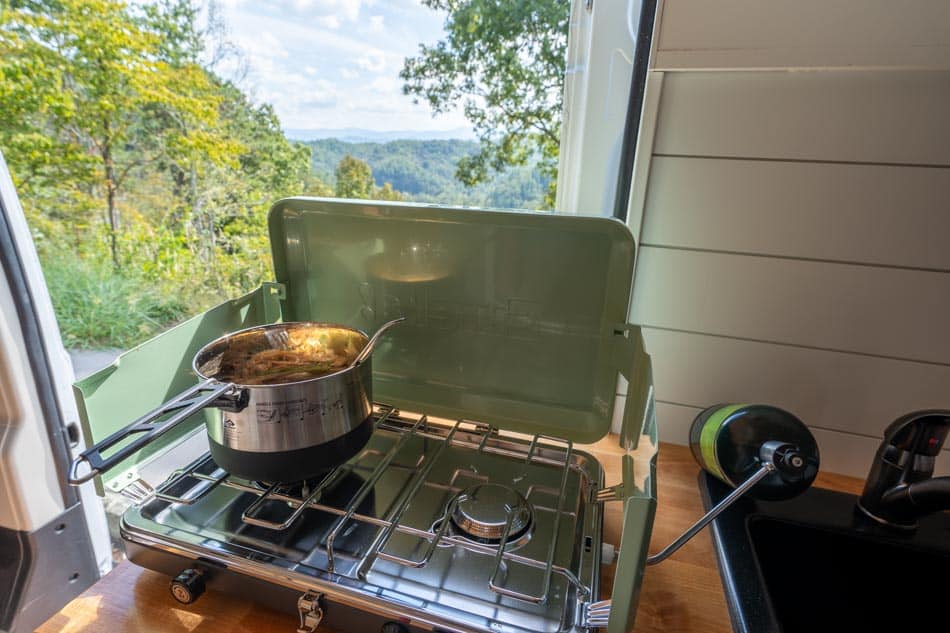
Image Source: www.campervantraveler.com
Unveiling the Risks: Why Indoor Camping Stove Use is Problematic
Camping stoves are designed for outdoor use where natural airflow dissipates harmful gases. Taking them indoors removes this safety net, leading to a potentially deadly build-up of carbon monoxide.
The Silent Killer: Carbon Monoxide Camping Stove Poisoning
Carbon monoxide (CO) is an odorless, colorless gas. It’s produced when fuels like propane, butane, or wood don’t burn completely. Carbon monoxide camping stove usage in an enclosed space is a recipe for disaster.
- How CO Affects You: CO replaces oxygen in your bloodstream. This leads to oxygen deprivation in your brain, heart, and other vital organs.
- Symptoms of CO Poisoning: Symptoms can mimic the flu. These include headache, dizziness, weakness, nausea, vomiting, chest pain, and confusion. Prolonged exposure can cause loss of consciousness and death.
- Why It’s Dangerous: You won’t realize you’re being poisoned until it’s too late. Early symptoms are often ignored or misdiagnosed.
Fire Hazards: A Tangible Threat
Beyond CO poisoning, camping stoves introduce a significant fire risk indoors.
- Flammable Materials: Homes contain many flammable materials like curtains, carpets, and furniture. A stray spark or flare-up from a camping stove can quickly ignite a fire.
- Overheating: Indoor spaces lack the natural ventilation of the outdoors. This can lead to stoves overheating, potentially causing fuel leaks or explosions.
- Unstable Surfaces: Camping stoves are designed for relatively stable outdoor surfaces. Using them on indoor countertops or tables can increase the risk of tipping and fuel spillage.
Oxygen Depletion: A Less Obvious Danger
Even without CO poisoning, burning fuel indoors consumes oxygen. In a poorly ventilated space, this can lead to oxygen depletion.
- Symptoms of Oxygen Depletion: Shortness of breath, rapid breathing, increased heart rate, and fatigue.
- Vulnerable Individuals: People with respiratory problems, such as asthma or COPD, are particularly vulnerable to oxygen depletion.
Deciphering Fuel Types: Propane vs. Butane
Most camping stoves use either propane or butane as fuel. Both fuels present unique risks when used indoors.
Propane: High Pressure, High Risk
Propane stoves deliver high heat output. However, this also means they produce a significant amount of CO. Indoor propane stove dangers are amplified due to this.
- Higher CO Production: Propane combustion generates more CO than some other fuel types, increasing the risk of poisoning in poorly ventilated spaces.
- Leak Potential: Propane tanks operate at high pressure. Leaks can occur if connections are not properly secured or if the tank is damaged.
Butane: Lower Pressure, Still Risky
Butane stoves generally operate at lower pressures than propane stoves. While this reduces the risk of leaks, it doesn’t eliminate the danger of CO poisoning or fire. Indoor butane stove risks remain considerable.
- Incomplete Combustion: Butane can produce significant amounts of CO if it doesn’t burn completely. This is more likely to occur in enclosed spaces with limited oxygen.
- Cold Weather Issues: Butane doesn’t vaporize well in cold temperatures, which can affect stove performance and increase the risk of incomplete combustion.
Safe Indoor Stove Options: Alternatives to Consider
If you need an emergency indoor cooking solution, there are safer indoor camping stove alternatives to consider.
| Option | Pros | Cons | Safety Considerations |
|---|---|---|---|
| Electric Hot Plate | No open flame, lower CO risk | Requires electricity, can be slow to heat up | Keep away from water, use on a stable surface, don’t overload circuits |
| Electric Kettle | Quickly boils water, no open flame | Limited cooking options | Keep away from water, use on a stable surface |
| Microwave Oven | Fast and convenient, no open flame | Requires electricity, limited cooking options | Use microwave-safe containers, follow manufacturer instructions |
| Induction Cooktop | Efficient and safe, heats cookware directly | Requires electricity, requires compatible cookware | Keep away from water, use on a stable surface, don’t overload circuits |
| Portable Power Station with Electric Cooktop | Provides off-grid power for electric cooking | Requires initial investment, power capacity is limited | Follow manufacturer’s instructions for both the power station and the cooktop, use appropriate safety precautions. |
| Alcohol Stove | Relatively inexpensive, burns cleaner than propane/butane | Still produces CO, can be difficult to control | Use only denatured alcohol, provide good ventilation, never refill while burning, keep away from flammable materials |
Ventilation for Indoor Stoves: A Misleading Sense of Security
While ventilation is crucial when using any fuel-burning appliance indoors, it’s not a foolproof solution for camping stoves. Ventilation for indoor stoves can help reduce the risk of CO poisoning, but it doesn’t eliminate it.
Why Ventilation Alone Isn’t Enough
- CO Detectors: Install battery-operated CO detectors on every level of your home, especially near sleeping areas. Test them regularly.
- Opening Windows & Doors: Open windows and doors to create cross-ventilation. However, this may not be practical in cold weather or if outdoor air quality is poor.
- Using Fans: Place fans to circulate air and help exhaust CO.
When Ventilation is Necessary (But Not Sufficient)
Even with ventilation, continuous monitoring with a CO detector is vital. Leave the area immediately if the alarm sounds.
Emergency Indoor Cooking: Last Resort Measures
In an emergency indoor cooking situation, prioritize safety above all else.
- Assess the Situation: Determine if there are any safer alternative indoor cooking methods available, such as a microwave or electric kettle.
- Maximize Ventilation: Open as many windows and doors as possible to create cross-ventilation.
- Use a CO Detector: Ensure a working CO detector is nearby and monitor it closely.
- Keep a Fire Extinguisher Handy: Have a fire extinguisher readily available in case of a fire.
- Never Leave the Stove Unattended: Stay with the stove at all times while it’s in use.
- Limit Cooking Time: Cook only what’s necessary and turn off the stove as soon as possible.
- Monitor Symptoms: Watch for any signs of CO poisoning in yourself and others.
- Turn off Stove if Symptoms Appear: Immediately turn off the stove and leave the area if anyone experiences symptoms of CO poisoning.
Indoor Camping Stove Safety: A Checklist
- Never use a camping stove indoors unless it’s a dire emergency.
- Prioritize safer alternative indoor cooking methods whenever possible.
- Always have a working CO detector nearby.
- Maximize ventilation by opening windows and doors.
- Keep a fire extinguisher readily available.
- Never leave the stove unattended.
- Monitor for symptoms of CO poisoning.
Fathoming Alternative Solutions
Consider preparing food that requires no cooking, such as sandwiches, salads, or pre-cooked meals. Plan ahead to avoid relying on dangerous cooking methods during emergencies.
FAQ: Addressing Common Concerns
Q: Can I use a camping stove in my garage if I leave the door open?
A: No. Even with the door open, garages are often poorly ventilated. The risk of CO poisoning remains high.
Q: Is it safe to use a camping stove in a tent?
A: Absolutely not. Tents are enclosed spaces with very limited ventilation. Using a camping stove in a tent is extremely dangerous and can be fatal.
Q: What should I do if my CO detector goes off?
A: Immediately evacuate the building and call emergency services. Do not re-enter until the source of the CO has been identified and the building has been properly ventilated.
Q: Are there any camping stoves that are safe to use indoors?
A: While some manufacturers may claim that their stoves are safe for indoor use, it’s always best to err on the side of caution. Even with proper ventilation, the risk of CO poisoning or fire is never completely eliminated. It is always better to seek safe indoor stove options.
Q: What other steps can I take to ensure my home is safe from CO poisoning?
A: Have your fuel-burning appliances (furnace, water heater, etc.) inspected and maintained regularly by a qualified technician. Ensure that your chimney and vents are clear of obstructions.
In conclusion, while the allure of using a camping stove indoors might be tempting during emergencies or power outages, the risks far outweigh the convenience. Prioritize indoor camping stove safety by understanding the dangers, exploring alternative indoor cooking methods, and investing in safe indoor stove options. Remember, your health and safety are paramount.

Melody Smith is a passionate writer, outdoor enthusiast, and camping expert based in the Seattle Metropolitan Area. With a deep love for nature and adventure, she shares her personal experiences, tips, and insights on MyCampingPro.com. A seasoned camper and traveler, Melody combines her creative background in design and writing with her love for the great outdoors, offering practical advice and inspiring stories to help others make the most of their outdoor experiences. When she’s not exploring the wilderness, you can find her painting, collecting vintage treasures, or diving into a good book.