
What is the best place to go camping? The “best” place is different for everyone! It depends on what kind of adventure you’re seeking. This guide will explore a wide range of camping locations and best campsites, from secluded dispersed camping spots to amenity-rich RV parks, helping you find the perfect outdoor escape, whether it’s camping near me or somewhere across the country.
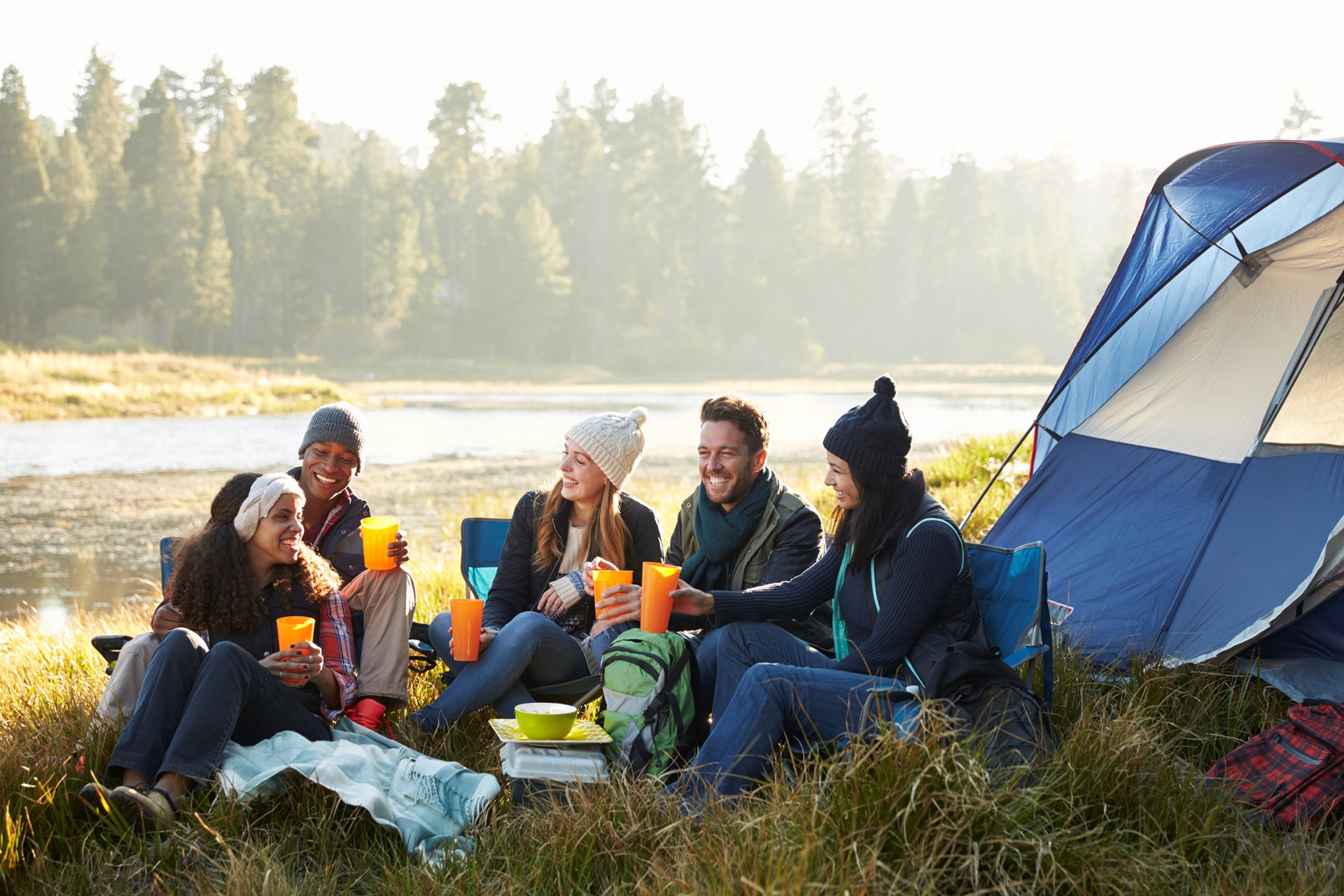
Image Source: koa.com
Finding Your Perfect Camping Spot
Deciding where to go camping is a personal journey. Factors like your experience level, desired activities, budget, and camping gear all play a role. Let’s delve into the different types of camping experiences and the best campsites for each.
Tent Camping: Back to Basics
Tent camping is the classic way to connect with nature. It can range from established campgrounds with amenities to secluded backcountry spots.
Established Campgrounds
These campgrounds offer convenience and security, often with amenities like:
- Bathrooms: Flush toilets or pit toilets.
- Showers: Coin-operated or free.
- Drinking Water: Faucets or spigots.
- Picnic Tables: At each campsite.
- Fire Rings: For campfires.
- Trash Disposal: Dumpsters or trash cans.
Many established campgrounds require camping reservations, especially during peak season. Campground reviews can provide valuable insights into the quality and cleanliness of the facilities, as well as the noise level and proximity to other campers.
Popular Tent Camping Locations:
- National Parks: Yosemite, Grand Canyon, Zion, Acadia, and more offer stunning scenery and well-maintained campgrounds.
- State Parks: Each state boasts a variety of parks with diverse landscapes and camping options.
- National Forests: Often offer a mix of established campgrounds and dispersed camping opportunities.
- Private Campgrounds: KOA campgrounds, Jellystone Parks, and others provide amenities and activities geared toward families.
Backcountry Camping (Dispersed Camping)
For a more secluded and adventurous experience, consider dispersed camping. This involves camping outside of designated campgrounds, typically on public lands managed by the Bureau of Land Management (BLM) or the National Forest Service (NFS).
Key Considerations for Dispersed Camping:
- Permits: Some areas require permits for dispersed camping. Check with the local land management agency.
- Leave No Trace: Pack out everything you pack in, minimize campfire impacts, and respect wildlife.
- Water Source: You’ll need to bring your own water or have a reliable way to purify water from natural sources.
- Navigation: Be proficient with map and compass or GPS.
- Safety: Inform someone of your plans and be aware of potential hazards like wildlife, weather, and terrain.
Best Locations for Dispersed Camping:
- National Forests: Many national forests allow dispersed camping in designated areas.
- Bureau of Land Management (BLM) Lands: The BLM manages vast tracts of public land in the western United States, offering ample opportunities for dispersed camping.
- Deserts: While challenging, deserts can offer unique and solitary camping experiences.
RV Camping: Comfort on Wheels
RV camping allows you to bring the comforts of home with you while exploring the outdoors. RV parks typically offer amenities like:
- Full Hookups: Water, sewer, and electrical connections.
- Bathrooms and Showers: Often cleaner and more spacious than those at tent campgrounds.
- Laundry Facilities: Convenient for longer trips.
- Recreation Areas: Swimming pools, playgrounds, and game rooms.
RV camping reservations are highly recommended, especially at popular destinations. Campground reviews can help you find RV parks with the amenities and location that best suit your needs.
Top RV Camping Destinations:
- National Parks: Many national parks have RV campgrounds, but reservations are essential.
- Private RV Resorts: These resorts offer a wide range of amenities and activities, often at a higher price point.
- State Parks: State parks often have RV-friendly campgrounds with beautiful natural settings.
- Bureau of Land Management (BLM) Areas: Some BLM areas allow RV camping, sometimes with limited or no hookups.
Specialized Camping Experiences
Beyond tent and RV camping, there are other unique ways to experience the outdoors.
Glamping
Glamping combines the luxury of a hotel with the beauty of nature. Options range from yurts and cabins to safari tents and treehouses.
Benefits of Glamping:
- Comfort: Enjoy amenities like comfortable beds, private bathrooms, and kitchen facilities.
- Convenience: No need to pack camping gear or set up a tent.
- Unique Experiences: Stay in необычных accommodations.
Cabin Camping
Cabins offer a more rustic experience than glamping, but still provide shelter and often have basic amenities like beds and a kitchen.
Advantages of Cabin Camping:
- Protection from the Elements: Stay dry and warm, even in inclement weather.
- Basic Amenities: Enjoy a comfortable place to sleep and prepare meals.
- Affordable Option: Cabins are often more affordable than glamping options.
Backpacking
Backpacking involves hiking into the backcountry with all of your camping gear on your back. It’s a challenging but rewarding way to experience true wilderness.
Essential Backpacking Skills:
- Navigation: Map and compass skills are essential.
- First Aid: Be prepared to handle minor injuries and illnesses.
- Water Purification: Know how to purify water from natural sources.
- Gear Selection: Choose lightweight and durable gear.
Planning Your Camping Trip: A Step-by-Step Guide
Once you’ve decided on the type of camping experience you want, it’s time to plan your trip.
1. Choosing Your Destination
Consider the following factors when selecting a camping location:
- Desired Activities: Hiking, fishing, swimming, rock climbing, etc.
- Scenery: Mountains, forests, lakes, deserts, etc.
- Climate: Consider the weather conditions during your trip.
- Accessibility: How easy is it to get to the campsite?
- Crowds: How busy is the area likely to be?
- Camping Near Me: Search online for “camping near me” to find local options.
2. Making Camping Reservations
Camping reservations are often required, especially at popular campgrounds and during peak season.
- Recreation.gov: This website manages reservations for many national park and national forest campgrounds.
- State Park Websites: Each state has its own website for making state park reservations.
- Private Campground Websites: Visit the websites of private campgrounds like KOA and Jellystone Park to make reservations.
3. Creating a Camping Checklist
A comprehensive camping checklist will help you ensure you have everything you need for a successful trip.
Essential Camping Gear:
| Category | Item(s) |
|---|---|
| Shelter | Tent, sleeping bag, sleeping pad, pillow |
| Cooking | Camp stove, fuel, cookware, utensils, plates, cups, food |
| Clothing | Layers of clothing, rain gear, hiking boots, hat, gloves |
| Navigation | Map, compass, GPS |
| First Aid | First-aid kit, insect repellent, sunscreen |
| Lighting | Headlamp or flashlight, lantern |
| Miscellaneous | Knife, multi-tool, rope, duct tape, water bottles or hydration reservoir |
4. Checking Campground Reviews
Campground reviews can provide valuable insights into the quality and cleanliness of the facilities, as well as the noise level and overall atmosphere.
Where to Find Campground Reviews:
- Campground Reviews Websites: Websites like Campendium, The Dyrt, and Allstays offer campground reviews from other campers.
- Google Reviews: Check Google Reviews for campgrounds near you.
- Social Media: Look for campground reviews on social media platforms like Facebook and Instagram.
5. Safety Considerations
Safety should be your top priority when camping.
- Wildlife Awareness: Be aware of the potential dangers of wildlife and take precautions to avoid encounters.
- Weather Conditions: Check the weather forecast before you go and be prepared for changing conditions.
- Fire Safety: Follow all fire regulations and never leave a campfire unattended.
- Emergency Preparedness: Carry a first-aid kit and know how to use it.
- Tell Someone Your Plans: Let someone know where you’re going and when you expect to be back.
Fathoming Different Camping Locations for Every Adventure
To provide a clearer picture, here’s a table showcasing different camping adventures and suitable locations:
| Camping Adventure | Location Examples | Key Features |
|---|---|---|
| Relaxing Weekend Getaway | State Parks with lake access, Private Campgrounds near wineries | Easy access, amenities like swimming, fishing, and nearby attractions. |
| Thrilling Hiking Expedition | National Forests with challenging trails, Appalachian Trail sections | Rugged terrain, scenic views, opportunities for solitude and exploration. |
| Family Fun in the Outdoors | KOA Campgrounds, Jellystone Parks, National Parks with kid-friendly activities | Swimming pools, playgrounds, organized activities, opportunities for learning about nature. |
| Remote Wilderness Experience | Bureau of Land Management lands, Designated Wilderness Areas | Minimal human impact, opportunities for solitude and self-reliance, challenging conditions. |
| Luxurious Camping | Glamping sites in scenic locations, RV Resorts with upscale amenities | Comfortable accommodations, gourmet meals, spa treatments, and other luxury amenities. |
| Budget-Friendly Camping | Dispersed camping areas, State Park campgrounds with basic amenities | Minimal cost, opportunities for self-sufficiency, back-to-basics experience. |
| Accessible Camping | Campgrounds with ADA-compliant facilities, State Parks with paved trails and accessible restrooms | Opportunities for people with disabilities to enjoy the outdoors. |
| Pet-Friendly Camping | Private Campgrounds that welcome pets, National Forests with pet-friendly trails | Designated dog walking areas, pet waste stations, and other amenities for pets. |
| Photography Focused Camping | State Parks with diverse wildlife, National Parks with iconic vistas | Photographic opportunities of local wildlife, fauna and stunning landscapes. |
| Stargazing camping | Bureau of Land Management lands, Designated Dark Sky areas. | Low levels of light pollution, offering some of the best night-sky views. |
Frequently Asked Questions (FAQ)
- What is dispersed camping? Dispersed camping is camping outside of designated campgrounds, usually on public lands.
- Can I have a campfire during a fire ban? No. It is illegal and dangerous to have a campfire during a fire ban.
- What is the best time of year to go camping? The best time of year to go camping depends on your location and desired activities. Spring and fall offer pleasant temperatures and fewer crowds in many areas.
- Who is responsible for cleaning up a campsite? You are! Always leave your campsite cleaner than you found it. Pack out everything you pack in.
- What do I do if I encounter a bear while camping? Stay calm, make noise, and slowly back away. Do not run or approach the bear.
- Do I need bear spray? If you’re camping in bear country, bear spray is a good idea. Learn how to use it properly before your trip.
- What is the difference between RV camping and tent camping? RV camping involves using a recreational vehicle (RV) for accommodation, offering more amenities, while tent camping involves sleeping in a tent, providing a more basic and immersive outdoor experience.
- What should I do with my trash while camping? Always pack out all your trash. Use designated trash receptacles if available, or carry it with you until you can dispose of it properly.
- How far in advance should I make camping reservations? It depends on the popularity of the campground, but it’s generally a good idea to make reservations as far in advance as possible, especially for peak season. Sometimes months in advance!
- How can I find camping locations near me? Search online for “camping near me” on Google Maps, Allstays, The Dyrt or similar camping sites to find local options.
Choosing the correct camping location is key to the overall experience. Take the time to decide the type of adventure you desire and choose the location to match.
Melody Smith is a passionate writer, outdoor enthusiast, and camping expert based in the Seattle Metropolitan Area. With a deep love for nature and adventure, she shares her personal experiences, tips, and insights on MyCampingPro.com. A seasoned camper and traveler, Melody combines her creative background in design and writing with her love for the great outdoors, offering practical advice and inspiring stories to help others make the most of their outdoor experiences. When she’s not exploring the wilderness, you can find her painting, collecting vintage treasures, or diving into a good book.