
What should you take while camping? The answer depends on your camping style, location, and the time of year. However, this ultimate packing list covers all the camping essentials checklist to ensure a safe and enjoyable outdoor adventure.

Image Source: www.rei.com
Laying the Groundwork: Essential Campsite Equipment
Setting up a comfortable and functional campsite is the first step to a great camping trip. These are the camping gear must haves you shouldn’t leave home without.
Shelter: Your Home Away From Home
- Tent: Choose a tent appropriate for the number of campers and the expected weather conditions. Consider size, weight, ease of setup, and waterproofing. A good rule of thumb is to get a tent that sleeps one more person than your group size for extra room.
- Tent Footprint/Ground Tarp: Protects the tent floor from abrasion and moisture.
- Tent Stakes: Secure your tent to the ground. Bring extra in case some get lost or broken.
- Guy Lines: Provides extra stability, especially in windy conditions.
- Hammer/Mallet: For pounding tent stakes into the ground.
- Optional: Tent Repair Kit: For fixing small tears or damage.
Sleeping Comfort: Getting a Good Night’s Rest
- Sleeping Bag: Select a sleeping bag with a temperature rating appropriate for the coldest expected night. Consider down vs. synthetic fill; down is lighter and more compressible but loses insulation when wet.
- Sleeping Pad: Provides insulation and cushioning between you and the ground. Options include foam pads, air pads, and self-inflating pads.
- Pillow: Inflatable or compressible camping pillows save space. Alternatively, stuff clothing into a stuff sack.
- Optional: Sleeping Bag Liner: Adds warmth and keeps your sleeping bag clean.
Camp Furniture: Comfort and Convenience
- Camp Chairs: Comfortable seating for relaxing around the campfire.
- Camp Table: Provides a surface for cooking, eating, and playing games.
- Lantern/Headlamp: Essential for navigating the campsite at night.
- Optional: Hammock: A relaxing way to enjoy the outdoors.
Cooking and Food Storage: Keeping You Fed and Hydrated
- Camp Stove: Choose a stove based on fuel type (propane, butane, liquid fuel), cooking power, and ease of use.
- Fuel: Bring enough fuel for all your cooking needs.
- Cookware: Pots, pans, and utensils for cooking meals. Consider nesting cookware to save space.
- Dishes and Utensils: Plates, bowls, cups, forks, spoons, and knives for each camper.
- Cutting Board: A small, lightweight cutting board.
- Biodegradable Soap and Sponge: For washing dishes.
- Trash Bags: Pack out everything you pack in.
- Cooler: Keeps food and drinks cold. Use ice packs or blocks for longer-lasting cooling.
- Food Storage Containers: Airtight containers to protect food from pests.
- Water Jug/Bottles: Bring enough water for drinking, cooking, and cleaning.
- Water Filter/Purifier: Essential if you plan to get water from natural sources.
- Can Opener/Bottle Opener: Don’t forget these essential tools.
Essential Tools and Miscellaneous Campsite Items
- Multi-Tool or Knife: Indispensable for various tasks.
- Axe/Hatchet: For chopping firewood (if permitted).
- Shovel/Trowel: For burying human waste (if no restroom facilities are available).
- Duct Tape: For repairs.
- Rope/Paracord: For various uses, such as clotheslines or securing gear.
- Fire Starter: Matches, lighter, fire starter cubes, or cotton balls with petroleum jelly.
- First Aid Kit: A well-stocked camping first aid kit is crucial for treating minor injuries and illnesses.
- Sunscreen: Protect your skin from the sun.
- Insect Repellent: Protect yourself from mosquitoes, ticks, and other insects.
- Toilet Paper: Pack it in, pack it out.
- Hand Sanitizer: For keeping hands clean.
- Navigation: Map, compass, GPS device, or smartphone with GPS.
- Headlamp or Flashlight: For navigating in the dark.
- Binoculars: For wildlife viewing.
- Camera: To capture memories of your trip.
- Books/Games: For entertainment.
- Bear Canister/Bag: (If required) To protect your food from bears.
- Whistle: For signaling in emergencies.
Clothing and Personal Items: Dressing for Success
The right clothing can make or break your camping experience. Choose layers that can be added or removed as needed.
Clothing Checklist
- Moisture-Wicking Base Layers: Help regulate body temperature.
- Insulating Mid-Layers: Fleece or down jackets provide warmth.
- Waterproof/Windproof Outer Layer: A jacket and pants to protect you from the elements.
- Hiking Pants/Shorts: Choose durable and comfortable pants or shorts.
- T-Shirts: Bring several t-shirts.
- Underwear: Bring enough for each day.
- Socks: Wool or synthetic socks are best for hiking.
- Hiking Boots: Comfortable and supportive hiking boots.
- Camp Shoes: Sandals or lightweight shoes for wearing around the campsite.
- Hat: For sun protection and warmth.
- Gloves: For warmth in cold weather.
- Swimsuit: If you plan to swim.
- Pajamas: For sleeping.
Personal Items
- Toiletries: Toothbrush, toothpaste, soap, shampoo, deodorant, etc.
- Medications: Any prescription medications you take, plus pain relievers, allergy medication, and other over-the-counter medications you may need.
- Eyeglasses/Contacts: Bring an extra pair of glasses or contacts.
- Sunglasses: Protect your eyes from the sun.
- Towel: A quick-drying microfiber towel.
- Personal Identification: Driver’s license, passport, etc.
- Cash/Credit Cards: For emergencies or purchasing supplies.
- Phone and Charger: For communication and navigation.
Planning Your Menu: The Camping Food List
Planning your meals in advance can save time and hassle at the campsite. Consider easy-to-prepare meals that require minimal cleanup.
Camping Food List Essentials:
- Breakfast: Oatmeal, cereal, granola bars, breakfast burritos.
- Lunch: Sandwiches, wraps, salads, soup.
- Dinner: Pasta, chili, stew, foil packet meals, grilled food.
- Snacks: Trail mix, nuts, dried fruit, energy bars, jerky.
- Drinks: Water, juice, coffee, tea.
- Condiments: Salt, pepper, sugar, ketchup, mustard, etc.
- Cooking Oil: For cooking meals.
Considerations for Your Camping Food List:
- Non-Perishable Foods: Choose foods that won’t spoil easily.
- Easy to Prepare Meals: Opt for meals that require minimal cooking and cleanup.
- Portion Sizes: Pack enough food for each meal.
- Dietary Restrictions: Consider any dietary restrictions or allergies.
Here’s a sample meal plan for a 3-day camping trip:
| Day | Breakfast | Lunch | Dinner | Snacks |
|---|---|---|---|---|
| 1 | Oatmeal with fruit and nuts | Sandwiches with chips | Chili with cornbread | Trail mix, granola bars |
| 2 | Breakfast burritos | Wraps with hummus and veggies | Foil packet meals | Dried fruit, jerky |
| 3 | Cereal with milk | Leftover dinner | Pasta with marinara sauce | Nuts, energy bars |
Prioritizing Safety: The Camping First Aid Kit
A well-stocked camping first aid kit is essential for treating minor injuries and illnesses.
Essential Items for Your Camping First Aid Kit:
- Bandages: Assorted sizes of adhesive bandages.
- Gauze Pads: For covering wounds.
- Medical Tape: To secure bandages.
- Antiseptic Wipes: To clean wounds.
- Antibiotic Ointment: To prevent infection.
- Pain Relievers: Ibuprofen or acetaminophen.
- Antihistamine: For allergic reactions.
- Tweezers: To remove splinters or ticks.
- Scissors: To cut bandages or tape.
- Safety Pins: For various uses.
- CPR Mask: For performing CPR.
- Emergency Blanket: To treat hypothermia.
- First Aid Manual: To guide you in treating injuries and illnesses.
Facing the Unexpected: Outdoor Survival Gear
While you don’t need to be a survival expert, having some basic outdoor survival gear can be helpful in case of an emergency.
Key Pieces of Outdoor Survival Gear:
- Fire Starter: Matches, lighter, fire starter cubes, or cotton balls with petroleum jelly.
- Navigation: Map, compass, GPS device, or smartphone with GPS.
- Knife/Multi-Tool: For various tasks.
- Emergency Shelter: Bivy sack or tarp.
- Water Filter/Purifier: To get safe drinking water.
- Signaling Device: Whistle or signal mirror.
- First Aid Kit: See above.
- Headlamp/Flashlight: For navigating in the dark.
- Extra Food: High-energy snacks.
The Digital Age: Best Camping Gadgets
While camping is about getting away from it all, some camping gadgets can enhance your experience.
Top Camping Gadgets for a More Comfortable Trip:
- Portable Power Bank: To charge your phone and other devices.
- Solar Charger: For charging devices using solar power.
- Waterproof Bluetooth Speaker: For listening to music.
- Headlamp with Red Light Mode: Red light preserves night vision.
- Camp Shower: For showering in the wilderness.
- Portable Coffee Maker: For enjoying fresh coffee in the morning.
Minimizing Your Load: Lightweight Camping Equipment
If you’re backpacking or hiking to your campsite, lightweight camping equipment is essential.
Tips for Choosing Lightweight Gear:
- Tent: Choose a lightweight backpacking tent.
- Sleeping Bag: Opt for a down sleeping bag, which is lighter and more compressible than synthetic.
- Sleeping Pad: Choose a lightweight air pad.
- Cookware: Look for lightweight titanium or aluminum cookware.
- Backpack: Choose a backpack that is appropriate for the length of your trip and the amount of gear you need to carry.
Here’s a comparison table showcasing the weight differences between standard and lightweight camping equipment:
| Item | Standard Weight | Lightweight Weight |
|---|---|---|
| Tent (2 person) | 5-7 lbs | 3-4 lbs |
| Sleeping Bag | 3-4 lbs | 1.5-2.5 lbs |
| Sleeping Pad | 2-3 lbs | 1-1.5 lbs |
| Cookware Set | 3-4 lbs | 1-2 lbs |
| Backpack (60L) | 4-6 lbs | 2-4 lbs |
Tailoring Your List: What To Pack For Camping Trip, Based on Activity
Your packing list can vary depending on your planned camping activities.
What to Pack for Hiking:
- Hiking Backpack: For carrying water, snacks, and extra layers.
- Hiking Boots: Comfortable and supportive hiking boots.
- Trekking Poles: For stability on uneven terrain.
- Water Bottles/Hydration Pack: Stay hydrated on the trail.
- Map and Compass: For navigation.
- Sunscreen and Insect Repellent: Protect yourself from the elements.
- First Aid Kit: For treating minor injuries.
What to Pack for Fishing:
- Fishing Rod and Reel: For catching fish.
- Fishing Line and Tackle: Hooks, lures, and weights.
- Fishing License: Required in most states.
- Fishing Waders: To keep you dry while fishing.
- Tackle Box: To store your fishing gear.
What to Pack for Swimming:
- Swimsuit: For swimming.
- Towel: To dry off.
- Sunscreen: Protect your skin from the sun.
- Water Shoes: To protect your feet from rocks and shells.
Final Checks: Ensuring a Smooth Camping Trip
Before you leave for your camping trip, double-check your packing list to make sure you have everything you need.
Essential Pre-Trip Checklist
- Check the Weather Forecast: Pack accordingly for the expected weather conditions.
- Make Reservations: Reserve your campsite in advance, especially during peak season.
- Inform Someone of Your Plans: Let someone know where you’re going and when you expect to be back.
- Pack Your Car Carefully: Distribute weight evenly and secure loose items.
- Review Campground Rules: Familiarize yourself with the campground’s rules and regulations.
FAQ: Common Camping Questions
-
What is the most important thing to bring camping? The most important things to bring camping are shelter (tent), sleeping bag, water, food, and a first-aid kit.
-
Can I bring my dog camping? Yes, but check the campground’s pet policy beforehand. Bring food, water, a leash, waste bags, and a bed for your dog.
-
Who is responsible for keeping the campsite clean? You are. Always pack out everything you pack in and leave your campsite cleaner than you found it.
-
What is bear safety while camping? Store food in bear-resistant containers or hang it from a tree, cook away from your tent, and never leave food unattended.
-
What do I do if it rains while camping? Stay inside your tent, put on rain gear if you need to go outside, and make sure your campsite is properly drained to prevent flooding.
Wrapping Up
This comprehensive camping supplies list provides a solid foundation for preparing for your next adventure. Remember to adapt the list based on your specific needs and preferences. Happy camping!
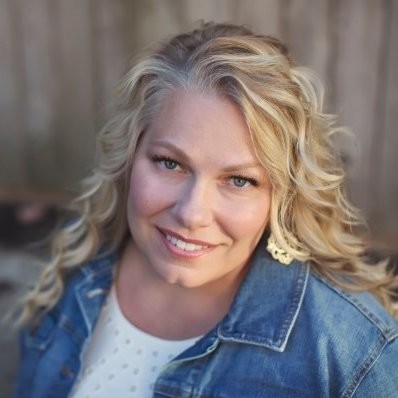
Melody Smith is a passionate writer, outdoor enthusiast, and camping expert based in the Seattle Metropolitan Area. With a deep love for nature and adventure, she shares her personal experiences, tips, and insights on MyCampingPro.com. A seasoned camper and traveler, Melody combines her creative background in design and writing with her love for the great outdoors, offering practical advice and inspiring stories to help others make the most of their outdoor experiences. When she’s not exploring the wilderness, you can find her painting, collecting vintage treasures, or diving into a good book.