
Are you looking for ideas on what to eat while camping? You’re in the right place! This article will give you tons of camping food ideas, easy camping meals, and even some camping recipes to make your outdoor adventures delicious and stress-free.
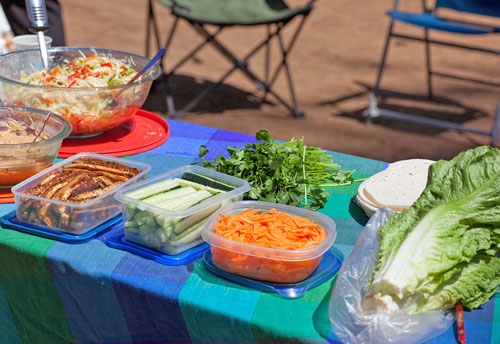
Image Source: dirtygourmet.com
Planning Your Camp Cuisine
Good food can truly make or break a camp cooking experience. Careful planning and packing are key to enjoying delicious meals in the great outdoors. From quick and portable food for camping to impressive campfire meals, here’s a breakdown of what you need to consider:
Assessing Your Needs for Outdoor Cooking
First, think about your trip. How many people are you feeding? How long will you be camping? What kind of cooking equipment will you have? Answering these questions helps determine the amount and type of food to bring.
Creating a Comprehensive Camp Food List
A camp food list is your best friend. Categorize your list into:
- Proteins: Meat, beans, eggs, tofu.
- Carbohydrates: Pasta, rice, bread, potatoes.
- Fruits & Vegetables: Fresh or dried options.
- Snacks: Trail mix, granola bars, nuts, jerky.
- Condiments & Spices: Salt, pepper, oil, your favorites.
- Drinks: Water, juice, coffee, tea.
Make Ahead Camping Meals For Efficiency
Make ahead camping meals save you time and effort at the campsite. Prepare dishes at home and simply reheat them while camping.
Considering Dietary Restrictions
Does anyone in your group have allergies or specific dietary needs? Make sure to plan meals accordingly. Options for vegetarian, vegan, or gluten-free diets are readily available with a little planning.
Simple & Delicious Camping Food Ideas
Let’s dive into some specific easy camping meals and camping recipes.
Breakfast: Fueling Your Adventures
Start your day with a hearty breakfast to keep your energy levels up.
- Oatmeal with Fruit and Nuts: A classic, quick, and nutritious option. Use instant oats for faster preparation.
- Breakfast Burritos: Scramble eggs, add your favorite fillings (cheese, beans, salsa, cooked sausage), and wrap in a tortilla. You can prepare these ahead of time and reheat them.
- Pancakes: Use a pre-made pancake mix or make your own batter at home and bring it in a container. Cook on a griddle over the campfire or camp stove.
- Breakfast Sandwiches: Toast bread or English muffins and fill with eggs, cheese, and bacon or sausage.
Lunch: Quick & Portable Options
Lunch should be quick and easy, so you can get back to enjoying your outdoor activities.
- Sandwiches & Wraps: The possibilities are endless! Peanut butter and jelly, deli meats, hummus and veggies – pack your favorites.
- Trail Mix: A mix of nuts, seeds, dried fruit, and chocolate chips is a great source of energy on the go.
- Salads in a Jar: Layer your salad ingredients in a jar (dressing on the bottom) for easy transport and minimal mess.
- Leftovers: If you have leftovers from dinner, pack them for lunch the next day.
Dinner: Campfire Cooking at its Finest
Dinner is where you can get creative with your campfire meals.
- Foil Packet Meals: These are easy to customize and require minimal cleanup. Combine protein (chicken, sausage, fish), vegetables (potatoes, carrots, onions), and seasonings in a foil packet and cook over the campfire or on a grill.
- Campfire Chili: A hearty and flavorful meal that’s perfect for a chilly evening. You can make it ahead of time and reheat it at the campsite.
- Grilled Sausages & Vegetables: A simple and satisfying meal that’s easy to cook over the campfire.
- One-Pot Pasta: Cook pasta, sauce, and vegetables in a single pot for easy cleanup.
Snacks: Staying Energized on the Trail
Don’t forget about snacks to keep you going between meals!
- Granola Bars: Easy to pack and eat on the go.
- Jerky: A high-protein snack that’s perfect for hiking.
- Fruits & Vegetables: Apples, bananas, oranges, carrots, and celery sticks are all good choices.
- Nuts & Seeds: A good source of healthy fats and protein.
Campfire Recipes: Elevating Your Camp Cooking
Here are a few camping recipes to try on your next trip:
Foil Packet Salmon with Vegetables
Ingredients:
- Salmon fillets
- Assorted vegetables (broccoli, carrots, zucchini)
- Lemon slices
- Olive oil
- Salt and pepper
- Fresh herbs (dill, parsley)
Instructions:
- Place each salmon fillet on a sheet of aluminum foil.
- Top with vegetables, lemon slices, olive oil, salt, pepper, and fresh herbs.
- Fold the foil to create a sealed packet.
- Cook over the campfire or on a grill for 15-20 minutes, or until the salmon is cooked through and the vegetables are tender.
Campfire Chili
Ingredients:
- Ground beef or turkey
- Onion, chopped
- Garlic, minced
- Canned diced tomatoes
- Canned kidney beans
- Canned chili beans
- Chili powder
- Cumin
- Salt and pepper
Instructions:
- Brown the ground beef or turkey in a large pot over the campfire or camp stove.
- Add onion and garlic and cook until softened.
- Stir in diced tomatoes, kidney beans, chili beans, chili powder, cumin, salt, and pepper.
- Bring to a simmer and cook for at least 30 minutes, or until the flavors have melded.
One-Pot Pasta Primavera
Ingredients:
- Pasta (penne, rotini, or your favorite shape)
- Vegetable broth
- Assorted vegetables (broccoli, carrots, peas, zucchini)
- Grated Parmesan cheese
- Salt and pepper
Instructions:
- Combine pasta and vegetable broth in a pot.
- Bring to a boil, then reduce heat and simmer until the pasta is almost cooked through.
- Add vegetables and cook until tender.
- Stir in Parmesan cheese, salt, and pepper.
Backpacking Food: Lightweight and Nutritious
Backpacking food needs to be lightweight and easy to prepare. Focus on dehydrated or freeze-dried options.
Planning Your Backpacking Food
Careful planning is even more crucial when backpacking. Weight and space are at a premium.
Lightweight Food Choices
- Dehydrated Meals: These are lightweight and easy to rehydrate with boiling water.
- Instant Noodles & Soups: Quick and easy to prepare.
- Energy Bars & Gels: Provide a quick boost of energy on the trail.
- Dried Fruit & Nuts: Lightweight and nutrient-rich.
Backpacking Food Ideas
Here are some backpacking-specific camping food ideas:
- Breakfast: Instant oatmeal, granola with powdered milk, breakfast bars.
- Lunch: Energy bars, trail mix, jerky, cheese.
- Dinner: Dehydrated meals, instant noodles, couscous with dried vegetables.
- Snacks: Dried fruit, nuts, seeds, energy gels.
Camp Cooking Equipment Essentials
Having the right equipment makes camp cooking much easier.
Cooking Gear
- Camp Stove: A portable stove is essential for cooking meals.
- Cookware: Pots, pans, and skillets for cooking.
- Utensils: Spatulas, spoons, and tongs for stirring and serving.
- Cutting Board & Knife: For preparing ingredients.
- Cooler: To keep perishable foods cold.
- Water Filter or Purification Tablets: To ensure you have safe drinking water.
- Campfire Grill: For cooking over an open fire.
Safety Considerations
- Food Storage: Store food properly to prevent spoilage and keep animals away. Use bear-resistant canisters in areas where bears are present.
- Cooking Safety: Always cook in a well-ventilated area to avoid carbon monoxide poisoning. Be careful when using fire, and never leave a campfire unattended.
- Cleanliness: Wash your hands before preparing food, and clean your cooking equipment after each use.
Tips for Successful Camp Cooking
- Plan Your Meals: Create a meal plan before you leave home to ensure you have all the necessary ingredients and equipment.
- Pre-Chop Vegetables: Chop vegetables at home to save time and effort at the campsite.
- Pack Smart: Use reusable containers and bags to minimize waste.
- Practice Leave No Trace: Pack out all trash and food scraps. Leave your campsite cleaner than you found it.
- Stay Hydrated: Drink plenty of water throughout the day, especially when hiking or being active.
Frequently Asked Questions (FAQ)
What is the best way to store food while camping to keep animals away? The best way is to use bear-resistant canisters, hang food in a bear bag suspended between two trees, or store food in your car if allowed by the campground. Always keep a clean campsite.
Can I cook directly on a campfire? Yes, you can cook directly on a campfire using a grill grate or by wrapping food in aluminum foil. Make sure the fire is under control and use appropriate heat-resistant gloves and utensils.
Who should I tell if I think I have food poisoning while camping? If you experience symptoms of food poisoning, seek medical attention immediately. Inform the campground host or ranger and let them know what you ate.
What are some easy camping meals for kids? Easy options include hot dogs, mac and cheese, peanut butter and jelly sandwiches, and s’mores. Involve kids in preparing meals to make it more fun.
How can I keep my cooler cold for longer? Start with a cold cooler and use frozen water bottles or ice packs instead of loose ice. Keep the cooler in the shade and avoid opening it frequently.
With these camping food ideas, easy camping meals, and tips, you’re ready to enjoy delicious and stress-free outdoor cooking on your next camping adventure. Remember to plan ahead, pack smart, and most importantly, have fun!

Melody Smith is a passionate writer, outdoor enthusiast, and camping expert based in the Seattle Metropolitan Area. With a deep love for nature and adventure, she shares her personal experiences, tips, and insights on MyCampingPro.com. A seasoned camper and traveler, Melody combines her creative background in design and writing with her love for the great outdoors, offering practical advice and inspiring stories to help others make the most of their outdoor experiences. When she’s not exploring the wilderness, you can find her painting, collecting vintage treasures, or diving into a good book.